News headlines in April 2026
Clean Energy, Digital Technologies Are Coming at a Human Cost, UN Report Warns
- Inter Press Service

SRINAGAR, India, April 30 (IPS) - A newly released United Nations report has raised urgent concerns that the world’s push toward clean energy and digital technologies is driving a hidden crisis in some of the planet’s most vulnerable regions, where mining for critical minerals is depleting water supplies, damaging health, and deepening inequality.
LIVE: 2026 World Press Freedom Day
- UN News

Media freedom is not a given and its absence frequently leaves communities and vulnerable individuals in danger. To mark World Press Freedom Day, we’ll be hearing from war correspondents and reporters who face major obstacles trying to do their job. The aim is to get a better understanding about what press freedom means in practice and why it is worth defending. Thanks for joining us.
Sudanese journalists awarded UNESCO press freedom prize
- UN News

An independent organization for journalists in Sudan has been honoured for its commitment “to deliver accurate, lifesaving information” amid the ongoing civil war, the UN educational and cultural agency UNESCO announced on Thursday.
World News in Brief: Displacement in South Sudan, fraud centres in the Philippines, new migration patterns in Latin America
- UN News
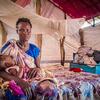
In South Sudan, the UN aid coordination office [OCHA] reported on Thursday that conflict and flooding continue to drive displacement and food insecurity higher throughout the country.
Lebanon strikes deepen crisis as hunger rises and conditions worsen in Gaza
- UN News
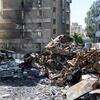
At least nine people were reported to have been killed in southern Lebanon on Thursday, as ongoing hostilities continue to exact a heavy toll on civilians and drive a worsening humanitarian crisis marked by rising hunger and strained public services.
Abuse of women journalists made ‘easier and more damaging’ by AI
- UN News

Reports of online violence against women journalists have doubled since 2020, with serious impacts on their health and well-being, according to a study published ahead of World Press Freedom Day marked annually on 3 May.
DPRK Korea: Continued militarisation a ‘serious concern’, political affairs chief warns Security Council
- UN News
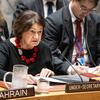
The continued pursuit of nuclear weapons and ballistic missile development by The Democratic People’s Republic of Korea remain “a matter of serious concern,” the UN’s political affairs chief told the Security Council on Thursday.
Hormuz crisis strangling global economy, Guterres warns, demanding solutions to end stalemate
- UN News
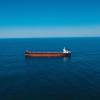
The escalating crisis in the Strait of Hormuz could push tens of millions into poverty, trigger a surge in global hunger and even tip the world towards recession, the UN Secretary-General warned on Thursday.
Central Asia celebrates 20 years as a nuclear-weapon-free zone
- UN News
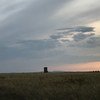
Semipalatinsk, Kazakhstan was once the Soviet Union’s primary testing ground for nuclear weapons. Today, in an age of rising nuclear threats, the Semipalatinsk Treaty – which saw a group of Central Asian countries renounce nuclear weapons in 2006 – is more relevant than ever.
BULGARIA: ‘We Protested Against a Whole System of Corrupt Governance and State Capture’
- Inter Press Service

CIVICUS discusses Bulgaria’s Gen Z-led protests with Aleksandar Tanev, founder of Students Against the Mafia, an informal student organisation that took part in mass protests against corruption and state capture.
Powered by