News stories by Samira Sadeque, page 5
COVID-19 - Some 23.8 Million More Children Will Drop out of School
- Inter Press Service

UNITED NATIONS, Aug 07 (IPS) - Countries with low human development are facing the brunt of school lockdowns, with more than 85 percent of their students effectively out of school by the second quarter of 2020, according to a United Nations policy brief on the impact of COVID-19 on education.
Coronavirus - Urban Areas Face the Brunt of the Pandemic
- Inter Press Service

UNITED NATIONS, Jul 29 (IPS) - The effect of the coronavirus pandemic and its subsequent global lockdown might have a graver effect on cities and urban areas than on rural areas, possibly making women more susceptible to violence.
Myanmar's Protection Bill falls Short of Addressing Violence against Women
- Inter Press Service

UNITED NATIONS, Jul 28 (IPS) - A legislation that aims to protect women against violence in Myanmar, while long overdue, is raising concern among human rights advocates about its inadequate definition of rape, vague definition for "consent", and anti-lesbian, gay, bisexual, and transgender rhetoric.
Rohingya Women Take a Seat at the Table & Share Stories in a Growing Rights Movement
- Inter Press Service
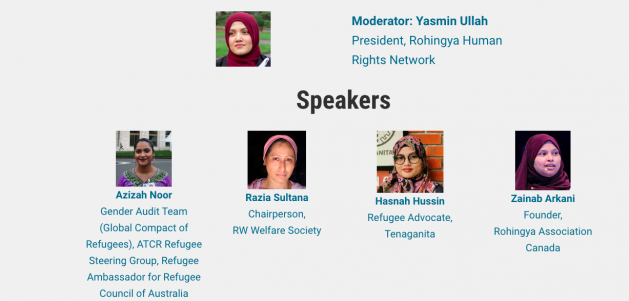
UNITED NATIONS, Jul 24 (IPS) - Rohingya women are coming together to feature their own work, plight and stories in mainstream conversations about their community — a space they say they've been left out of.
"If we think of revolutions or liberty or think of any ways to liberate ourselves from the shackle of suffering and being dubbed as 'the most persecuted minority on earth', women have to be part of it," Yasmin Ullah, president of the Rohingya Human Rights Network, told IPS.
Q&A: Understanding COVID-19's Impact on Food Security and Nutrition
- Inter Press Service

UNITED NATIONS, Jul 15 (IPS) - While it is too early to assess the full impact of the global COVID-19 lockdowns, at least 83 million to 132 million more people may go hungry this year -- 690 million people were classified as hungry in 2019 -- as the pandemic has highlighted the vulnerabilities and inadequacies of global food systems.
Q&A: How Kazakhstan’s Transgender and Lesbian Women are Being Impacted by COVID-19
- Inter Press Service

UNITED NATIONS, Jul 10 (IPS) - The coronavirus lockdown in Kazakhstan, and the resultant limited public oversight and limited publication engagement, has paved the way for the government to introduce amendments to the country's laws around gender that could see the exclusion of the rights of the Lesbian, Gay, Bisexual, Transgender, and Queer (LGBTQ) community
Beware the 'Hunger' to Access Indigenous Peoples' Land and Resources for Post-COVID-19 Recovery
- Inter Press Service

UNITED NATIONS, Jul 09 (IPS) - When governments and states begin their recovery journey from the economic downturn caused by the coronavirus pandemic, there might be a heightened threat to indigenous peoples, their land and resources.
Q&A: Child Marriage, FGM and Harmful Practices on Women’s Bodies to Increase Because of COVID-19
- Inter Press Service

UNITED NATIONS, Jul 03 (IPS) - An additional 5.6 million child marriages can be expected because of the coronavirus pandemic, which resulted in a short-term increase in poverty and the shutdown of schools.
The current pandemic is also expected to have a massive impact on the projected growth of harmful practices on women's bodies.
Global Economic Recovery must Prioritise Restructuring of Debt for Developing Countries
- Inter Press Service

UNITED NATIONS, Jul 02 (IPS) - Unless there is a restructuring of debt for developing countries, the servicing for this debt will take away valuable resources from these nations that are needed to prevent the further suffering of people during the coronavirus pandemic -- particularly with regards to safeguarding the health systems, and protecting the "integrity and resilience of economies".
Q&A: Post COVID-19 Pandemic Lets Stop the Next Wave of Medicalisation over Mental Health
- Inter Press Service

UNITED NATIONS, Jun 26 (IPS) - The current pandemic is not only heightening mental health concerns, but might also put many at risk of becoming institutionalised or being neglected by the system.
Powered by