

Venezuela crisis: UN aid effort continues amid political upheaval
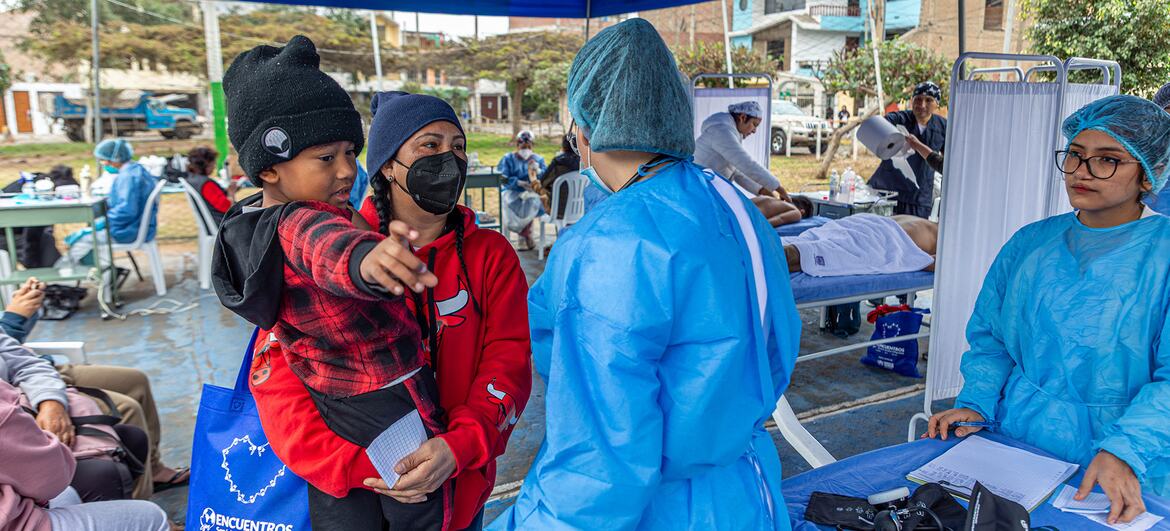
A Venezuelan toddler finds comfort at UNHCR-led event in Lima, Peru.
Venezuela’s political shock has sharpened global attention on a country already facing one of the world’s largest humanitarian and displacement crises. For the United Nations, the priority remains unchanged: protecting lives, sustaining basic services and supporting Venezuelans at home and across the region.
The backdrop
- Venezuela has endured years of economic collapse, political instability and hyperinflation, compounded by floods, landslides and other climate shocks.
- The recent seizure of President Nicolás Maduro by US special forces has added a new layer of uncertainty to an already volatile situation.
- According to the UN aid coordination office, OCHA, 7.9 million people — more than a quarter of the population — need urgent humanitarian assistance.
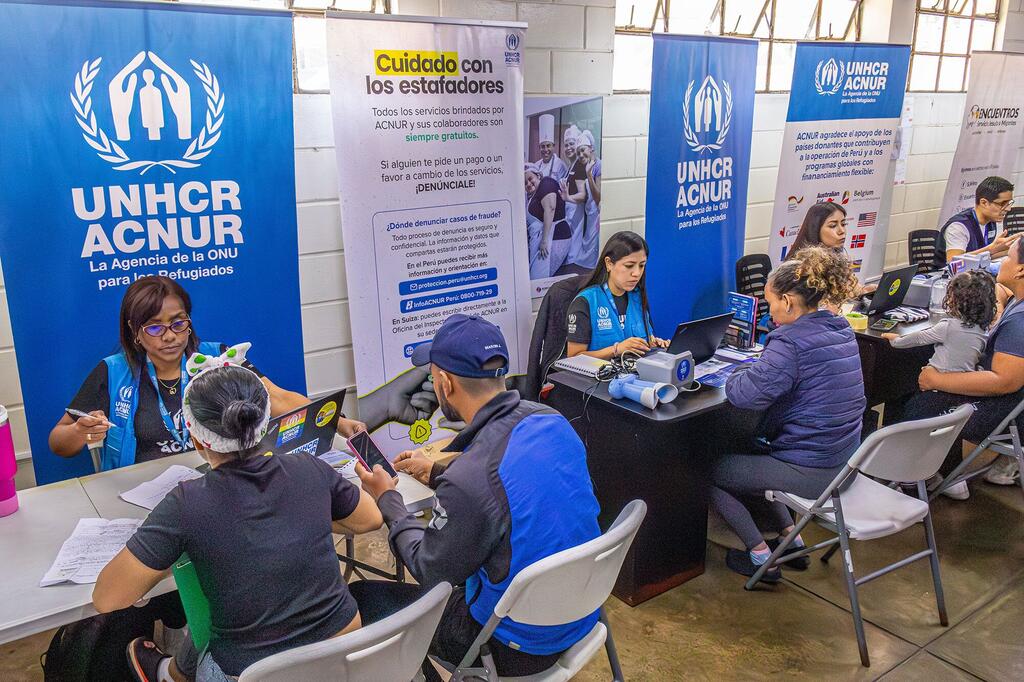
UNHCR Provides Legal and Health Assistance to Venezuelan Refugees in Tacna, Peru.
A large UN footprint
- The UN maintains a broad operational presence in Venezuela, with most agencies active on the ground.
- Work spans food security, health care, gender equality, education, decent work, water and sanitation, and peacebuilding.
- Agencies including the World Food Programme (WFP), World Health Organization (WHO) and the reproductive rights agency, UNFPA, deliver life-saving aid and help keep essential services running — from food distributions and nutrition screenings to maternal health care and clean water projects.
- Following the latest political developments, UN leadership in the country said it is closely assessing needs to ensure support can be scaled up if required.
Human rights under scrutiny
- Venezuela’s human rights situation remains a core UN concern.
- The Office of the UN High Commissioner for Human Rights continues to monitor violations.
- Briefing the Human Rights Council last month, High Commissioner Volker Türk warned of deepening repression, citing increased militarisation, threats to journalists and human rights defenders, arbitrary detention and enforced disappearances.
- UN investigators have stressed that accountability for long-documented abuses — including extrajudicial killings, torture and sexual and gender-based violence — must not be overshadowed by the current crisis.
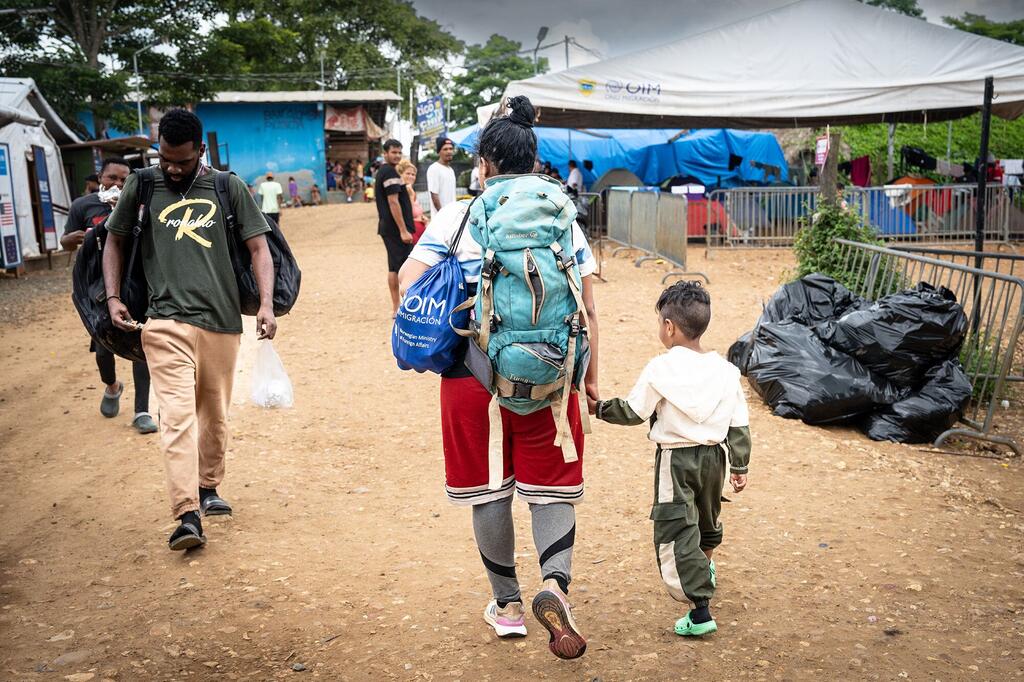
Migrants arriving at the Lajas Blancas reception centre in Darien, Panama.
A long-running exodus
- It is too early to know whether recent events will intensify the mass displacement that has unfolded over the past decade.
- Millions of Venezuelans have already fled repression, instability and economic hardship.
- Nearly half of those who have left rely on informal, low-paid work; 42 per cent struggle to afford enough food, and 23 per cent live in overcrowded housing.
Regional response
- The UN refugee agency UNHCR and the International Organization for Migration (IOM) coordinate a regional response across 17 countries.
- This effort has helped more than 4.5 million Venezuelans in Latin America and the Caribbean obtain regular status, giving access to documentation, protection and basic services.
- The latest regional plan seeks $1.4 billion to reach 2.3 million vulnerable people, focusing on jobs, education, health care and protection.
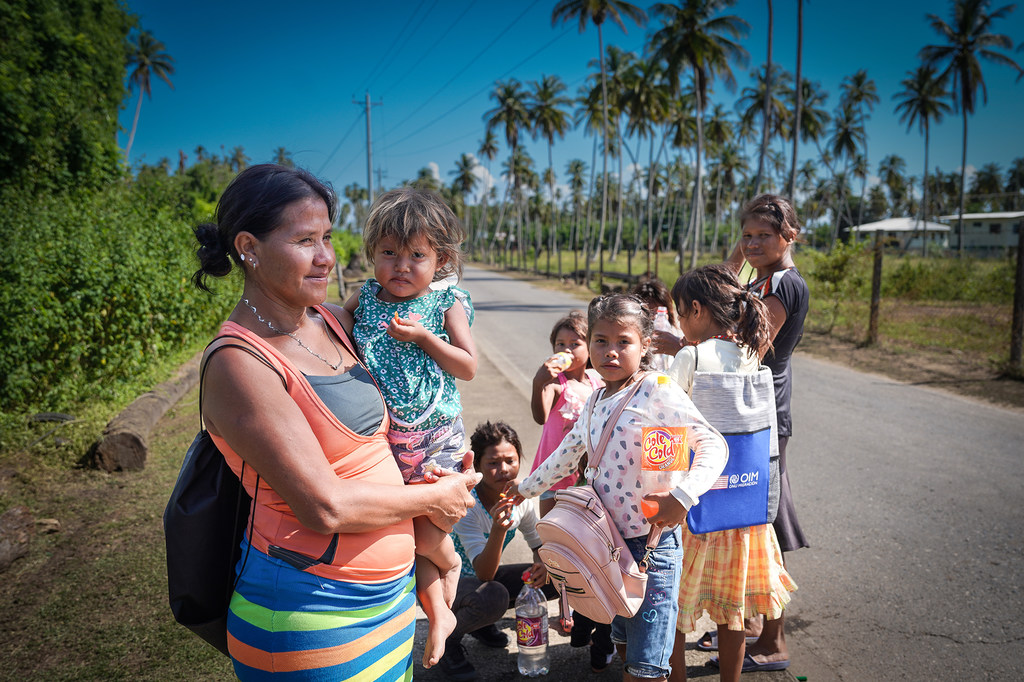
Warao families make their way to the local church in Icacos, Trinidad and Tobago for cash distribution.
The funding gap
- Despite reiterated UN commitment to Venezuelans’ dignity and protection, resources are stretched.
- In 2025, just 17 per cent of the over $600 million required for Venezuela’s Humanitarian Response Plan had been received.
- UN officials warn that without increased funding, aid agencies will be forced to scale back support at a moment of heightened need.
Bottom line:
Political turmoil may dominate headlines, but for the UN the mission is constant: keep humanitarian lifelines open, defend human rights and support Venezuelans — inside the country and beyond its borders — through an unfolding crisis with global consequences
© UN News (2026) — All Rights Reserved. Original source: UN News