News stories by Maximilian Malawista, page 2
Arab Regions Remain the Most Underrepresented in the Global Trade System
- Inter Press Service
UNITED NATIONS, July 14 (IPS) - Despite the importance of international trade as an engine for economic growth and development, only fourteen of the twenty-two Arab states are members of the World Trade Organization (WTO). The remaining Arab states risk missing out on opportunities for greater integration into the global economy and the multilateral trading system facilitated by the WTO.
Renewed Attacks on Strait of Hormuz Deepen Global Supply Chain Concerns
- Inter Press Service

UNITED NATIONS, July 10 (IPS) - Renewed attacks on commercial vessels in the Strait of Hormuz have intensified concerns over global energy markets along with supply chain disruptions, as the United Nations calls for an end to escalating hostilities within the Persian Gulf.
Ebola Outbreak Could Cost Africa $3.6 Billion and Threaten Nearly One Million Livelihoods
- Inter Press Service
UNITED NATIONS, July 6 (IPS) - A new assessment from the United Nations Development Programme (UNDP) warns that the Ebola outbreak could cost Africa USD 3.6 billion, push 985,000 people into poverty, and put 300,000 jobs at risk.
UNCTAD: Governments Turn to Trade Policy to Secure Critical Mineral Supplies
- Inter Press Service

UNITED NATIONS, July 2 (IPS) - Demand for critical energy transition minerals (CETMs) is expected to surge over the coming decades as countries expand clean technology capacity, develop electric vehicles, create battery storage, implement renewable energy systems, and introduce digital infrastructure according to UNCTADs latest report, The Shifting Dynamics of Critical Minerals Trade.
Building Peace Infrastructures: African Leaders Reflect on the Peacebuilding Architecture Review
- Inter Press Service
UNITED NATIONS, June 30 (IPS) - As the United Nations held its first-ever Peacebuilding Week (June 22-26) UN officials and developmental partners gathered at Egypt’s Permanent Mission on June 23 to hold a dialogue on the main question which emerged from the 2025 Peacebuilding Architecture Review (PBAR): “how can global commitments to peacebuilding translate into tangible results on the ground?”
UNCTAD: A Shift of Risk, Geopolitical Tension Weighs on Global Markets Heavier than Trade Policy
- Inter Press Service

UNITED NATIONS, June 25 (IPS) - Amidst increased geopolitical tensions, the risk of volatile energy markets, trade corridors, and regional stability in the Middle East has garnered more attention than trade policy in terms of its power to alter the global economy, according to new findings from the United Nations Conference on Trade and Development (UNCTAD).
Armed Conflict, Funding Cuts and Supply Chain Pressures Deepen Global Hunger Risks
- Inter Press Service
UNITED NATIONS, June 23 (IPS) - Armed conflict, economic shocks, and climate pressures are driving worsening food insecurity across many of the world’s most vulnerable regions, according to the latest Hunger Hotspots report outlook for June-November 2026, jointly released by the World Food Programme (WFP) and the Food and Agriculture Organization (FAO).
Ocean Economy Reaches $2.5 Trillion as Services Become the Largest Share of Ocean Trade
- Inter Press Service

UNITED NATIONS, June 12 (IPS) - The global ocean economy continues its expansion, with ocean-related trade reaching USD 2.5 trillion as of 2025. Ocean services now make up the majority of the ocean trade, accounting for 58.9 percent of the composition, up from 47.8 percent in 2020.
UN Urgently Calls for Increased Aid in Yemen Following IPC Warnings of Food Insecurity
- Inter Press Service
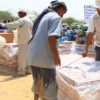
UNITED NATIONS, June 10 (IPS) - In Yemen, increasing funding constraints on humanitarian operations have put millions of civilians in dire need of life-saving assistance amid overlapping crises. Acute food insecurity is a persistent issue, as recent reports from the Integrated Food Security Phase Classification (IPC) give a stark warning of conditions without urgent intervention.
Increased Rates of Deaths, Displacement and Diesel Amid New Ceasefire Escalations in Lebanon
- Inter Press Service
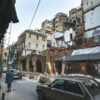
UNITED NATIONS, June 2 (IPS) - Last week on May 28, the Israeli Defence Forces (IDF) issued an evacuation order to Lebanese civilians ordering them to move north of the Zahrani River, approximately 25 miles from the Israeli border, and roughly 20 percent of the Lebanese territory. These new escalations bring the displaced population to more than 1.3 million people, including more than 300,000 of those people being children. 1.3 million people represents approximately 1/4th of the nation’s population of 5.3 million.
Powered by