

News headlines for “Trade, Economy, & Related Issues”, page 2
Renewables, Farmer Aggregation Offer Solutions to Africa’s Post-Harvest Losses
- Inter Press Service
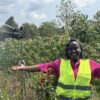
KIGALI, October 2 (IPS) - Post-harvest losses, particularly in rural areas, threaten the gains Africa is making in agricultural production and export capacity.
For Pakistan Rising Fistula Cases Make SDG 3 Goal Elusive
- Inter Press Service
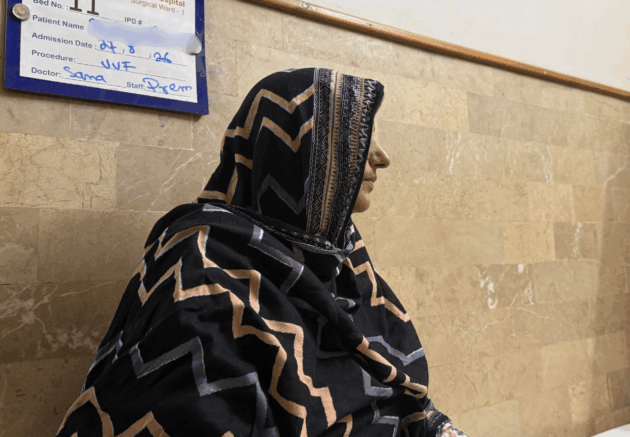
KARACHI, Pakistan, October 2 (IPS) - “You’re living a life drained of joy,” is how Shehnaz Sher Ali describes her “perpetually wet and stinky” existence. “I wouldn’t wish it on my worst enemy,” says the 35-year-old, who travelled by bus for more than 12 hours with her husband from their village in Rahim Yar Khan, Punjab, changing diapers whenever possible to keep the smell from reaching the fellow passengers.
SUDAN: ‘It’s Shocking to Be Forced into Silence Simply Because You Are a Refugee’
- Inter Press Service

CIVICUS discusses life as a refugee with an exiled Sudanese civil society activist who has asked to remain anonymous for security reasons.
The Ingenuity Trap
- Inter Press Service

DOHA, Qatar, October 2 (IPS) - In the 21st century, getting a pencil into Gaza became international news. In January, after more than two years of restrictions, UNICEF finally brought in learning kits with pencils and exercise books. Textbooks stayed out. By then, the UN had recorded damage to 97.5 per cent of Gaza’s schools.
If We Can Start an Epoch, We Can Start a Farming Revolution
- Inter Press Service
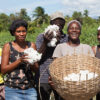
NEW YORK, October 2 (IPS) - In November 1952, the United States detonated the world’s first thermonuclear device at Enewetak Atoll in the Marshall Islands. The test, code-named Ivy Mike, erased the island of Elugelab and scattered a signature of plutonium across the planet that remains in lake beds, ice sheets and ocean sediments today.
‘Money alone won’t get us there’: UN steps up aid for 12 forgotten crises
- UN News
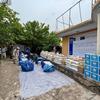
Getting aid to people in the world’s most neglected emergencies takes more than money. It takes open roads, open borders and leaders willing to help it reach those in dire need.
Global life expectancy bounces back to near pre-pandemic levels, WHO says
- UN News

People around the world are living longer again, with global life expectancy almost fully recovered from the disruption of the COVID-19 pandemic, the World Health Organization (WHO) said on Friday.
Caring for Carers: Addressing Workplace Violence Against Nurses in Malaysia
- Inter Press Service

KUALA LUMPUR, October 1 (IPS) - Nurses are often called the backbone of the health system. We praise their compassion, commitment and resilience. On Nurses’ Day we thank them. During emergencies and crises, we call them heroes. But there is a harder question Malaysia, like most countries around the world, needs to ask more seriously: what happens when the people who care for everyone else are not safe, supported or respected at work?
How to Protect Coastal Communities From Tide-Related Loss and Damage in Bangladesh
- Inter Press Service
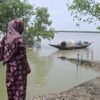
SHYAMNAGAR (Satkhira), Bangladesh, October 1 (IPS) - Villagers rush to the vulnerable spot of the embankment—early warning of the rising tide has alerted them. Together, they save the village from tidal flooding by repairing the vulnerable embankment, which is at risk from the impact of low pressure in July this year. The message is clear: early warnings of the rising tide save lives and property.
“The Price of a Narrow Metric: Why Vulnerability Must Count”
- Inter Press Service

VICTORIA, Seychelles, October 1 (IPS) - From a distance, an island nation can appear to possess everything: pristine waters, a thriving tourism industry and a strong cultural identity. Its income figures may suggest prosperity.
Powered by


Web feed for Trade, Economy, & Related Issues news headlines