 Global Issues
News headlines for “Trade, Economy, & Related Issues”, page 426
Russian Invasion Blamed for 44 Million People Marching Towards Hunger & Starvation
- Inter Press Service

UNITED NATIONS, May 13 (IPS) - The Russian invasion of Ukraine last February has triggered multiple crises in several fronts: the deaths of thousands of civilians, the destruction of heavily populated cities, the rise in military spending in Europe, a projected decline in development assistance to the world’s poorer nations; the demolition of schools and health-care facilities --- and now the threat of hunger and starvation worldwide.
Mining Destroys the Lives of Indigenous People in Venezuela
- Inter Press Service

CARACAS, May 12 (IPS) - The voracious search for gold in southern Venezuela, practiced by thousands of illegal miners under the protection of various armed groups, represents the greatest threat today to the lives of indigenous peoples, their habitat and their cultures, according to their organizations and human rights defenders.
UN spotlights plant health, crucial for boosting food security worldwide
- UN News

On the very first International Day of Plant Health, marked on Thursday, the UN Food and Agriculture Organization (FAO) has called for more investment in innovation to boost food security, especially for the billions worldwide living close to the bread line.
War and Famines - Warnings of Potential Outcomes of the War in Ukraine
- Inter Press Service

STOCKHOLM, May 12 (IPS) - An entirely unnecessary and all too tangible nightmare continues to scourge Ukraine. Without doubt, one catastrophe after another still awaits. Much of Ukraine’s harvest, of paramount importance to global food supply, is at risk of being lost due to Vladimir Putin’s and the Russian army’s belligerent actions. Last year, Ukraine harvested a record of 106 million tonnes of grain – 25, or even 50 percent of this amount is currently feared to be lost during this year while most experts add that “this is an optimistic forecast.”
Projections for a Pandemic Future: in Whose Interest?
- Inter Press Service

ROME, May 12 (IPS) - The writer is Director, Global Health Justice Program, Society for International Development (SID), and Co-chair Geneva Global Health Hub (G2H2). In what has been defined a historic consensus decision aimed at protecting the world from future infectious diseases crises, on 1st December 2021, the special session of the World Health Assembly agreed to kickstart a global process to draft and negotiate a convention, agreement or other international instrument to strengthen pandemic prevention, preparedness and response.
Plants: Up to 80% of Food and 98% of Oxygen, Endangered
- Inter Press Service
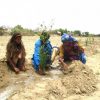
MADRID, May 11 (IPS) - It is as simple –and as horrifying– as that: both human health and the health of Planet Earth depend on plants. However, plants that make up 80% of the food and 98% of the oxygen, are under growing dangerous threats.
Ukraine: UN labour agency update shows 4.8 million jobs lost to war
- UN News
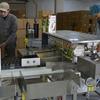
An estimated 4.8 million jobs have been lost in Ukraine since Russia’s 24 February invasion, according to a brief published on Wednesday by the UN’s labour agency.
New UN campaign aims to bring more young voices to halls of power
- UN News

To support young people’s political participation and amplify their voices in public life, the UN launched a campaign on Wednesday in collaboration with the Youth Envoy.
Most Maternal Deaths Are Preventable: How To Improve Outcomes in South Africa
- Inter Press Service

May 11 (IPS) - The past 20 years have seen a significant decline in maternal mortality rates from 342 deaths to 211 per 100,000 globally . But every day, more than 800 women around the world die from complications of pregnancy and childbirth, up to 42 days after delivery. Most of these deaths are preventable.
Sri Lanka: Debt Crisis, Neocolonialism and Geopolitical Rivalry
- Inter Press Service

WASHINGTON DC, May 11 (IPS) - Sri Lanka is in the throes of an unprecedented economic crisis. Faced with a shortage of foreign exchange and defaulting on its foreign debt repayment, the country is unable to pay for its food, fuel, medicine, and other basic necessities. Notwithstanding the austerities that would be entailed, a bail out by the International Monetary Fund (IMF) has been accepted as the only way out of the dire economic situation.
Powered by


Web feed for Trade, Economy, & Related Issues news headlines