News headlines for “Consumption and Consumerism”, page 37
Asia-Arab Parliamentarians Forge Regional Pathways for Gender Justice and Youth Empowerment
- Inter Press Service

CAIRO, November 3 (IPS) - Inclusive legislation, empowered youth, and anti-violence policies are inseparable aspects of sustainable development and were the key messages at a conference of the Inter-Regional Meeting of Asian and Arab Parliamentarians on Population and Development held in Cairo on October 24, 2025.
Surviving the next pandemic could depend on where you live
- UN News
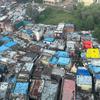
A new global report warns that inequality is increasing the world’s vulnerability to pandemics, making them more deadly, more costly and longer lasting – and where you live, could determine how badly impacted you are.
FAO warns of ‘silent crisis’ as land degradation threatens billions
- UN News
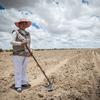
Roughly 1.7 billion people are living in areas where crop yields are failing due to human-induced land degradation – “a pervasive and silent crisis that is undermining agricultural productivity and threatening ecosystem health worldwide.”
Global alliance meets in Doha to confront hunger crisis
- UN News
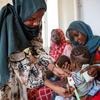
With global hunger rising and millions struggling to secure their next meal, world leaders gathered in Doha on Monday for the first high-level meeting of the Global Alliance Against Hunger and Poverty.
Challenging Elites, Defending Democracy: Oxfam’s Amitabh Behar Speaks Out
- Inter Press Service

BANGKOK, November 2 (IPS) - Speaking to IPS on the sidelines of the International Civil Society Week in Bangkok (November 1–5), Amitabh Behar, Executive Director of Oxfam International and a passionate human rights advocate, highlighted his concerns about rising inequality, growing authoritarianism, and the misuse of AI and surveillance. Yet, he expressed optimism that, even as civic spaces shrink, young people across Asia are driving meaningful change. He also shared his vision of a just society—one where power is shared, and grassroots movements lead the way.
Flags raised in Doha as leaders gather for UN social development summit
- UN News
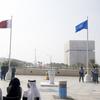
Against a quiet morning sky, the flags of the United Nations and the State of Qatar rose together in Doha on Sunday, ahead of the Second World Summit for Social Development.
Defending Democracy in a “Topsy-Turvy” World
- Inter Press Service

BANGKOK, November 1 (IPS) - It is a bleak global moment—with civil society actors battling assassinations, imprisonment, fabricated charges, and funding cuts to pro-democracy movements in a world gripped by inequality, climate chaos, and rising authoritarianism. Yet, the mood at Bangkok’s Thammasat University was anything but defeated.
Workers face worsening inequality without urgent reforms, UN agency warns
- UN News

The world of work is undergoing rapid and destabilising change, with widening inequality and job insecurity leaving millions without stable livelihoods or basic protections.
As Civil Society Is Silenced, Corruption and Inequality Rise
- Inter Press Service

BULAWAYO & BANGKOK, October 31 (IPS) - From the streets of Bangkok to power corridors in Washington, the civil society space for dissent is fast shrinking. Authoritarian regimes are silencing opposition but indirectly fueling corruption and widening inequality, according to a leading global civil society alliance.
Gender equality’s not just a goal – it’s a foundation for lasting peace
- UN News
Twenty-five years ago, the international community agreed a new approach to women’s inclusion in peace processes in what came to be known as the Women, Peace and Security Agenda (WPS), outlined in the landmark Security Council resolution 1325.
Powered by