News headlines for “G8: Too Much Power?”
Burkina Faso’s Cancelled Democracy
- Inter Press Service
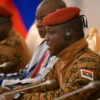
LONDON, August 7 (IPS) - Burkina Faso’s charismatic young military leader, army captain Ibrahim Traoré, has stopped pretending. In April, he declared that people should ‘forget about the question of democracy’ because ‘democracy isn’t for us’. When Traoré seized power in September 2022, ousting a leader who’d staged a coup earlier that year, he promised elections by June 2024. The junta broke that pledge, pushing any transition back to 2029. Now Traoré has confirmed he has no intention of restoring democracy. Instead, Burkina Faso’s military junta is tightening its repression, while working with neighbouring states to internationalise its dangerously undemocratic model.
New Chickpea Variety to Drive Climate Resilience in Africa
- Inter Press Service
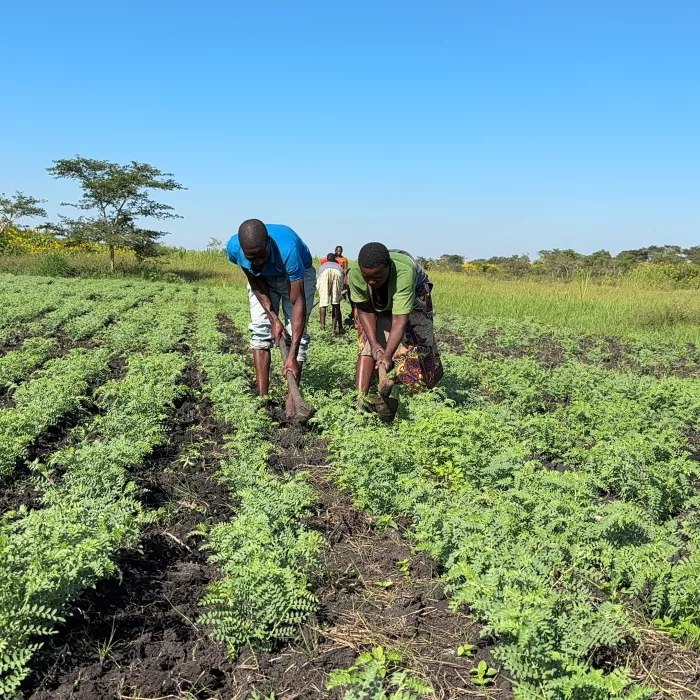
BULAWAYO, Zimbabwe , August 5 (IPS) - New chickpea seed research and production have become the new frontier of climate resilience in southern Africa as farmers battle failing cereal production.
Trade Liberalisation Never Lifted All Boats
- Inter Press Service

KUALA LUMPUR, Malaysia, August 4 (IPS) - President Trump has blamed trade liberalisation advocated by globalists for US deindustrialisation. Instead, his own weaponisation of economic policies, instruments and institutions purport to ‘make America great again’ (MAGA).
Saudi Arabia Forms Multinational Red Sea Defence Alliance as U.S.-Iran War Threatens Global Shipping
- Inter Press Service
UNITED NATIONS, August 3 (IPS) - As the United States and Iran continue to escalate with military strikes across both fronts, the conflict took a new turn with Saudi Arabia becoming militarily involved on July 29, following coordinated airstrikes with U.S. Central Command according to the Saudi Ministry of Defence.
Female Genital Mutilation: Winning the Argument, Losing the Funding
- Inter Press Service
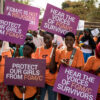
MONTEVIDEO, Uruguay, August 3 (IPS) - Last August, a one-month-old girl in The Gambia bled to death after being subjected to female genital mutilation (FGM), a practice that had been illegal in the country since 2015. FGM is a human rights violation, whatever the appeals to faith or tradition made in its defence, but now the Gambian Supreme Court is being asked to strike the country’s ban down. This is the second attempt in two years to make FGM legal again.
Who picks up the tab for AI’s unbridled genius?
- Inter Press Service

ROME, August 3 (IPS) - For the last few years, Artificial intelligence has been making increasingly intrusive demands for our attention. It burst onto the scene like a child prodigy, enthralling us with feats of brilliance. With consummate ease, it removed drudgery from our tasks and began helping us achieve our personal and workplace objectives.
East Asia and Pacific Faces a USD 900 Billion Maritime Investment Challenge
- Inter Press Service

UNITED NATIONS, July 31 (IPS) - East Asia and the Pacific’s (EAP) maritime system has powered the region’s rise as the world’s largest trading and manufacturing center, but the infrastructure supporting that system has become increasingly vulnerable.
Dual Crises in Eastern DRC as Ebola Surges and Hunger Deepens
- Inter Press Service
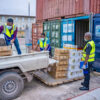
UNITED NATIONS, July 30 (IPS) - The Democratic Republic of Congo (DRC) is battling the fastest-growing Ebola outbreak on record, with United Nations officials warning that hunger is actively undermining efforts to contain the spread.
From the Foothills of Mount Kilimanjaro, Magnolia Athletics Camp Is Helping Girls Stay in School, Pursue Athletics and Escape the Pressures of Harmful Traditional Practices
- Inter Press Service

OLOITOKTOK, Kenya, July 30 (IPS) - Before sunrise each morning, 19-year-old Josephine Sembeyo joins dozens of teenage runners leaving Magnolia Athletics Camp for training beneath the shadow of Mount Kilimanjaro.
Financing Africa’s Digital Future: Institutions Push for Smarter, Coordinated Funding
- Inter Press Service

ADDIS ABABA, Ethiopia, July 30 (IPS) - Africa’s digital revolution is gathering pace, but the financing needed to sustain it remains uneven, fragmented, and often out of reach.
Powered by