News headlines for “Food and Agriculture Issues”
Health Emerges as a Strategic Frontline for Africa Ahead of Bonn Climate Conference
- Inter Press Service
Africa contributes the least to global greenhouse gas emissions, yet it faces some of the world’s most severe climate-related health impacts. Several realities define the continent’s climate and health landscape – increased infectious diseases, air pollution, death, disruption and pressure on health systems through heatwaves, floods, droughts and storms.
Africa Needs a Radical Plan to Tackle 15M Youth Job Crisis
- Inter Press Service
ADDIS ABABA, June 12 (IPS) - Africa has no problem with ideas, but the struggle is in how to implement them, leaders said at an inaugural forum convened to promote action on development.
Ocean Economy Reaches $2.5 Trillion as Services Become the Largest Share of Ocean Trade
- Inter Press Service

UNITED NATIONS, June 12 (IPS) - The global ocean economy continues its expansion, with ocean-related trade reaching USD 2.5 trillion as of 2025. Ocean services now make up the majority of the ocean trade, accounting for 58.9 percent of the composition, up from 47.8 percent in 2020.
Africa Pushes for Data Sovereignty and Digital Independence
- Inter Press Service

UNITED NATIONS, June 12 (IPS) - African leaders are sharpening their focus on digital sovereignty, warning that the continent’s economic future will depend not just on connectivity, but on who controls its data—and where it is stored.
Papua New Guinea Bets on Indigenous Communities to Protect 700,000 Hectares of Highlands
- Inter Press Service

SAMARKAND, Uzbekistan, June 11 (IPS) - The Global Environment Facility (GEF) has approved USD 6.4 million for a new conservation initiative in Papua New Guinea that seeks to protect 700,000 hectares of critical highland ecosystems by placing Indigenous Peoples and local communities at the centre of conserving and managing their ancestral lands.
Fossil Fuel Wealth Fails to Deliver Development in Africa – Report
- Inter Press Service
NAIROBI, June 11 (IPS) - A new report examining the economic impact of oil and gas production in Africa has found that fossil fuels have failed to deliver sustained or inclusive economic development, observing that the resources have contributed to economic vulnerability and inequality and have constrained growth through prohibitive commodity prices, inflation, and weak local currencies.
Central Asia Bets on a New Water–Land Pact to Survive Environmental Degradation
- Inter Press Service

SAMARKAND, Uzbekistan, June 10 (IPS) - As ministers, diplomats and development officials assembled in Samarkand Congress Centre for a ceremonial family photograph, the mood carried unusual symbolism. Behind the smiles and formalities stood a region confronting a harder reality: rivers are shrinking, soils are tiring, temperatures are rising, and the old ways of managing land and water are no longer working.
India: How a Tool Bank Beats Poverty in Rural Maharashtra
- Inter Press Service
PUNE, India, June 10 (IPS) - Dharashiv is one of the poorest districts in the western Indian state of Maharashtra. Located in the semi-arid region of Marathwada, it has no major river and is not blessed with good reservoirs.
Reforming Global Finance Is Africa’s Most Urgent Water Policy
- Inter Press Service
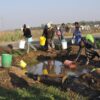
Somewhere in Africa today, a woman will spend more than 30 minutes collecting water that may make her and her children sick. At the same time, her government will face severe fiscal constraints that will limit its ability to provide clean water, among other basic services.
South Africa: Activists Call for Greater Access to Newly-Launched HIV Prevention Drug
- Inter Press Service

BRATISLAVA, June 9 (IPS) - As South Africa officially launches the rollout of a groundbreaking HIV prevention drug, civic groups in the country have slammed the plan, saying it will not reach anywhere near enough people.
Powered by