

World News in Brief: Insecurity in the Darfurs, 100 million live with landmine threats, Singapore execution moratorium
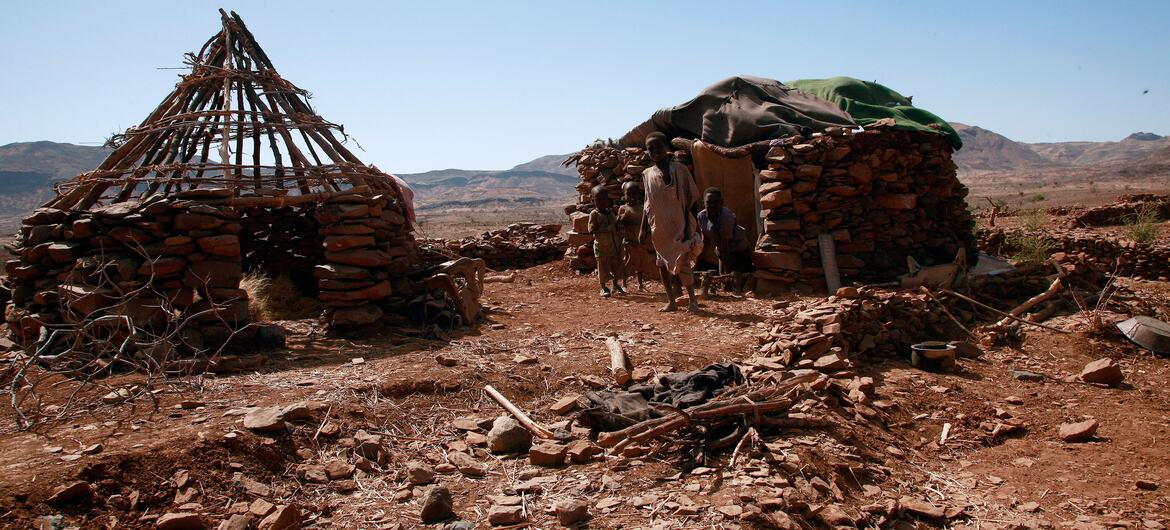
The United Nations is deeply alarmed by continued insecurity in the Darfur region of Sudan and the heavy toll it is having on civilians, Spokesperson Stéphane Dujarric said on Wednesday.
More than 10 people were reportedly killed, and many others injured, in a drone strike on Tuesday in the town of Um Dukhun in Central Darfur state, according to local sources.
“We strongly condemn this, and all attacks against civilians and civilian infrastructure,” Mr. Dujarric told journalists in New York.
Meanwhile, insecurity forced some 115 people to flee their homes in a village in the Kutum locality, North Darfur state, last Sunday.
They have sought refuge in the regional capital, El Fasher, according to the International Organization for Migration (IOM).
Childhood vaccination campaign
Despite the many challenges, the UN and partners continue to respond to needs across Sudan, where the brutal civil war has entered a fourth year.
UN health agency WHO is midway through a six-day “Big Catch Up” vaccination campaign, that aims to reach over 81,000 young children across eight localities in West Darfur state.
“Once again, we reiterate the need for safe, sustained and unhindered humanitarian access, as well as flexible funding, to reach those most in need and support the most vulnerable,” said Mr. Dujarric.
100 million people in more than 60 countries living with landmine risks
Raging conflicts around the world prompted an alert from landmine clearance experts on Wednesday, who highlighted the increasing dangers posed by unexploded ordnance – both today and decades from now.
Every year, many thousands are killed or injured in land contaminated by landmines and explosive remnants of war. Nine in 10 of the victims are civilians – half of them children – according to the UN Mine Action Service (UNMAS).
The agency has convened national demining experts and partners from all over the world to its annual meeting in Geneva, where UNMAS Director Kazumi Ogawa maintained that conflict “has continued or deepened in many regions of the world, exposing hundreds of thousands, if not millions, to the risk of mines and explosive ordnance”.
Also at the meeting, the UN’s Global Advocate for Peace, poet Maryam Bukar Hassan, described the impact of landmines on communities in war-torn Borno State in Nigeria:
“I come from Borno State in Nigeria and it's ranked five globally in civilian casualties. So, this is not distant, nor is it abstract to me,” she said.
Listen to more of her moving testimony below:
Ms. Hassan explained that years of insurgency in Borno state in northeast Nigeria had left the land heavily contaminated with landmines.
In 2023 alone, “hundreds of explosions” left “lives and bodies altered” she continued, while in 2024, more than 400 civilians were killed and injured by landmines.
“This is what [landmines] do. They do not ask who you are. They do not care what side you belong to, they do not recognize ceasefires,” the UN Peace Advocate said.
The Anti-Personnel Landmine Convention - known as the Ottawa Treaty – is one of the most successful international disarmament treaties. It’s regrettable that some States are now withdrawing from the Treaty, UNMAS chief Ms. Ogawa told journalists in Geneva.
Singapore: Türk calls for execution moratorium
Human Rights Chief Volker Türk has expressed alarm at a spike in executions for drug-related offences in Singapore, urging an immediate moratorium on the death penalty.
Eight people have been executed for drug offences so far this year. In 2025, 15 out of 17 individuals put to death had drugs-related convictions.
Last week, Omar bin Yacob Bamadhaj was executed for trafficking cannabis after his family received just two weeks’ notice.
“At every level, the taking of this man’s life is both cruel and inhuman,” Mr. Türk said.
The UN opposes the death penalty in all circumstances and supports its abolition worldwide, citing the risk of executing an innocent person and its incompatibility with human dignity.
More than two thirds of countries have now abolished it in law or practice, according to UN data, reflecting a clear global trend towards abolition.
© UN News (2026) — All Rights Reserved. Original source: UN News