News stories by Oritro Karim
Renewed Hostilities In Yemen Inflame Displacement and Regional Risks
- Inter Press Service
UNITED NATIONS, September 16 (IPS) - In recent days, the humanitarian situation in Yemen has deteriorated sharply following a new escalation of hostilities between the Iran-backed Houthi rebels and the Saudi-backed Presidential Leadership Council (PLC). This follows four years of relative stability, marking the most severe resurgence of violence since the collapse of the United Nations (UN)-mediated ceasefire in October 2022.
UN and Partners Work to Stabilize Health and WASH Systems in Venezuela Following Deadly Earthquakes
- Inter Press Service

UNITED NATIONS, September 9 (IPS) - Two months after devastating twin earthquakes struck northern and central Venezuela on June 24, the humanitarian community has been on the frontlines, delivering lifesaving aid and focusing efforts on sustainable paths for rehabilitation.
UNICEF Report Underscores Rising Rates of Tech-Facilitated Sexual Abuse Targeting Children
- Inter Press Service

UNITED NATIONS, September 3 (IPS) - A new report from UNICEF finds that approximately 1 in 5 of all children surveyed reported facing tech-facilitated sexual abuse or exploitation in a single year.
Deadly Flash Floods in Nepal Kill Hundreds and Leave Over 4,200 Missing
- Inter Press Service
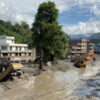
UNITED NATIONS, September 1 (IPS) - On the morning of August 26, an unprecedented series of flash floods struck Nepal and the Tibet Autonomous Region of China, causing immense destruction, killing hundreds of civilians and leaving thousands missing. Entire neighborhoods have been buried underwater and beneath mud as the Nepalese government and humanitarian organizations rush to provide emergency assistance.
Colombia Declares State of Emergency Following Deadly Earthquake
- Inter Press Service
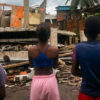
UNITED NATIONS, August 25 (IPS) - Over the past week, the humanitarian crisis in Colombia has deteriorated significantly following the Mw 7.4–7.5 earthquake that struck the Chocó department on August 10. With the Colombian government declaring a State of Emergency across 15 departments, the nation continues to struggle with massive civilian casualties, immense damage to critical infrastructure, and the disruption of basic services. The national government and the humanitarian community continue to coordinate lifesaving responses and monitor conditions as they evolve.
Impending UNIFIL Exit Pushes Lebanon Toward Uncertainty
- Inter Press Service
UNITED NATIONS, August 18 (IPS) - Since the collapse of the ceasefire between Israel and Lebanon announced in June, the humanitarian situation in Lebanon has deteriorated sharply. Marked by high casualties, immense destruction to civilian infrastructure, and widespread displacement, access to essential services has become increasingly strained as the United Nations Interim Force in Lebanon (UNIFIL) is scheduled to end its operations by the end of the year.
UN Special Rapporteur Urges the Protection of Children’s Rights Amid Deepening Conflict and Digital Threats
- Inter Press Service

UNITED NATIONS, August 12 (IPS) - On July 7, the United Nations (UN) Secretary-General Antonio Guterres presented a report from the Special Rapporteur on the sale, sexual exploitation, and sexual abuse of children, Ai Kihara-Hunt, to the General Assembly, underscoring her goals and priorities for the implementation of protection measures for children worldwide. The report, submitted in coordination with the Human Rights Council, highlights the systemic barriers that leave children increasingly vulnerable to sexual exploitation and abuse, including weak government oversight, limited support and justice services for victims, and worsening protracted crises.
Resilience Is Not Enough: OCHA Sounds Alarm on Underfunded Humanitarian Crisis in Afghanistan
- Inter Press Service
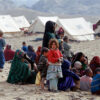
UNITED NATIONS, August 11 (IPS) - “Mainly, people tell me they’re exhausted. They’re exhausted from being poor, from being hungry, from repeated climate shocks, mounting debt, and the daily struggle to provide for their families,” Olga Cherevko, Spokesperson for the UN Office for the Coordination of Humanitarian Affairs (OCHA) in Afghanistan, told UN reporters on August 4.
U.S.-Iran War Escalates Amid Growing Fears of Regional Instability and Rises In Arbitrary Executions
- Inter Press Service

UNITED NATIONS, August 3 (IPS) - Over the past several weeks, the humanitarian landscape in the Middle East has deteriorated significantly, exacerbated by escalating security concerns and serious human rights violations. In late July, the United Nations (UN) highlighted a sharp uptick in hostilities between the United States and Iran, alongside growing concerns over wider regional instability.
Sudan’s War Economy: Funded By Gum Arabic And Gold
- Inter Press Service
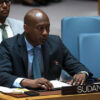
UNITED NATIONS, July 27 (IPS) - In the three years since the outbreak of the Sudanese Civil War, the humanitarian crisis has deteriorated significantly, with the United Nations underscoring a blatant disregard for international humanitarian law among warring parties. This includes the deliberate targeting of civilians in residential areas, widespread sexual violence, and attacks on critical infrastructure that have hindered aid efforts and pushed communities to the brink of collapse. To manage rising military expenses, the warring parties have increasingly relied on the exploitation of trade routes and territories, prompting humanitarian experts to express concern about a persistent, self-sustaining “war economy.”
Powered by