News headlines for “Nature and Animal Conservation”, page 5
Beyond the Horizon: Raising a Generation to Protect the Blue Pacific
- Inter Press Service
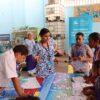
SUVA, Fiji, August 26 (IPS) - For generations, Pacific children have grown up with the ocean as part of everyday life. It is where families fish, where stories are passed down, where livelihoods begin and where cultures are rooted. Yet many young people are inheriting an ocean facing pressures unlike anything their ancestors experienced, from warming seas and coral bleaching to plastic pollution and declining marine ecosystems.
Grand Planetary Challenges Need a Grand Coalition to Solve Them
- Inter Press Service
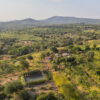
NAIROBI, Kenya, August 26 (IPS) - Several coalitions exist today to defend the territories in which people live and work. Global leaders have long understood the importance of shared responsibility for collective security and have invested significant time in establishing networks, partnerships and alliances. In 2025, global spending on defense reached a record $2.9 trillion.
The Plastics Treaty Process Needs Greatly Improved Observer Participation at this Critical Point in the Negotiations and Beyond
- Inter Press Service
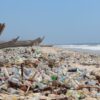
GENEVA, August 24 (IPS) - In 2022, the United Nations Environment Assembly mandated an Intergovernmental Negotiating Committee (INC) to develop a global, legally binding instrument addressing the full life cycle of plastics, from production and product design to disposal. After the resumed fifth session adjourned without consensus in Geneva in August 2025, the divided process moved into informal consultations before INC-5.4 in March 2027.
GEF Proposes $140 Million Program to Strengthen Drought Resilience
- Inter Press Service

DAR ES SALAAM, Tanzania, August 24 (IPS) - For pastoralists in Arvaikheer — a village in Mongolia’s dry central plains — rain can determine whether there is enough grass for cattle to roam, whether waterholes are replenished and whether families make it through another dry season. But as climate change makes rainfall increasingly unpredictable, even a wet season may no longer provide water and pasture needed to sustain people and livestock.
Indigenous Peoples Call for Meaningful Influence in Climate Discussions — Nia Tero
- Inter Press Service

UNITED NATIONS, August 18 (IPS) - Indigenous communities have long advocated for the environment through the lens of their traditional knowledge systems and cultures. But much more work needs to be done to translate their presence into influence.
Nairobi Biodiversity Talks Set the Stage for Key COP17 Decisions
- Inter Press Service

NAIROBI, August 18 (IPS) - Despite record participation in global biodiversity reporting and planning processes, countries remain off track to meet the world’s 2030 biodiversity goals, according to discussions that concluded this month at two key meetings under the Convention on Biological Diversity (CBD).
As Mongolia Hosts COP17, Pastoralists Demand Space to Move, Survive and Restore
- Inter Press Service

DAR ES SALAAM, Tanzania, August 17 (IPS) - After moving more than 6,000 km across Eurasia, the Silk Road Caravan has reached Mongolia with stories from pastoralists whose livelihoods are increasingly threatened by drought, degraded land and shrinking access to grazing areas.
Western-Led Green Revolution Failing Africa
- Inter Press Service

CAMBRIDGE, MA, USA / KUALA LUMPUR, Malaysia, August 17 (IPS) - As AGRA turns 20, a new report exposes its worsening failure to double productivity and incomes and halve undernourishment in participating African nations as promised.
Why Dhaka Floods Every Monsoon
- Inter Press Service
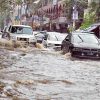
DHAKA, Bangladesh, August 13 (IPS) - Dhaka’s recent and recurrent flooding is often treated as a natural disaster, but rain is only the trigger. The deeper causes are political, planning and ecological failure: wetland loss, canal encroachment, unplanned growth, weak enforcement, fragmented institutions and short-term engineering fixes. Dhaka is not drowning because it rains; it is drowning because it has been built as if water had nowhere to go.
Resilience Is Not Enough: OCHA Sounds Alarm on Underfunded Humanitarian Crisis in Afghanistan
- Inter Press Service
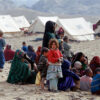
UNITED NATIONS, August 11 (IPS) - “Mainly, people tell me they’re exhausted. They’re exhausted from being poor, from being hungry, from repeated climate shocks, mounting debt, and the daily struggle to provide for their families,” Olga Cherevko, Spokesperson for the UN Office for the Coordination of Humanitarian Affairs (OCHA) in Afghanistan, told UN reporters on August 4.
Powered by