News headlines for “Nature and Animal Conservation”, page 4
The Drylands Dividend: The Smart Investment for Powering a Water-Scarce World
- Inter Press Service
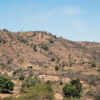
NAIROBI, Kenya, September 1 (IPS) - Open a can of something fizzy and the reason the sugar doesn’t separate immediately is gum arabic, tapped by hand from acacia trees across the Sahel. Spray on perfume and the reason the scent is still there at dinner is frankincense, a resin cut from Boswellia trees on the dry escarpments of the Horn of Africa. The fat that gives a chocolate bar its snap may well be shea, gathered and pressed by women in the parkland belt of West Africa. The cashmere jumper came from goats that can only be raised on cold, dry rangelands.
Africa’s Pastoralists Need More Than COP17’s $1.2 billion Rangelands Pledge
- Inter Press Service
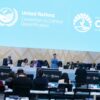
DAR ES SALAAM, August 31 (IPS) - When the rains fail across Tanzania’s northern Maasai Steppe, herders drive their cattle farther in search of pasture and water.
Beyond Resilience: Climate Change and the Rights of Char Dwellers in Bangladesh
- Inter Press Service
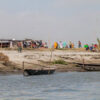
DHAKA, Bangladesh, August 31 (IPS) - Bangladesh’s riverine and coastal chars have always been landscapes of movement, but climate change is making that movement more violent, frequent, and unequal. The shifting islands of the Jamuna, Brahmaputra, Padma, and other rivers now reveal how climate stress multiplies deprivation, weakens citizenship, and forces char dwellers to absorb the costs of a crisis they did little to create.
35 Years After Semipalatinsk, Kazakhstan’s Nuclear Choice Still Challenges the World
- Inter Press Service
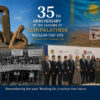
TOKYO / ASTANA, August 31 (IPS) - Across the vast steppe of northeastern Kazakhstan, the scars of the Cold War remain visible. At the Semipalatinsk Nuclear Test Site, the Soviet Union conducted 456 nuclear tests between 1949 and 1989, exposing nearby communities to radiation and leaving health and environmental consequences that have endured across generations.
SWEDEN: ‘The New Migration Laws Are so Vague That People Don’t Know What Might Be Used Against Them’
- Inter Press Service

CIVICUS discusses Sweden’s new migration laws with John Stauffer, legal director and deputy executive director of Civil Rights Defenders, a Swedish civil society organisation that acts as a civil rights watchdog at home and supports human rights defenders in repressive contexts worldwide.
Family Planning and Population Dynamics Are Key to Water Security
- Inter Press Service
OTTAWA, Canada, August 28 (IPS) - This week is World Water Week, the annual conference of governments, business, and civil society on building a water-secure future as global population, climate disruptions, and water demand increase. In Washington, it’s also Water Resources Development Act season, when every two years the US Congress reauthorizes the legilslation that funds US drinking water, wastewater systems, and flood risk management projects.
UN Secretary General Expresses Sadness Over Lives Lost in Nepal-Tibet Flash Floods
- Inter Press Service
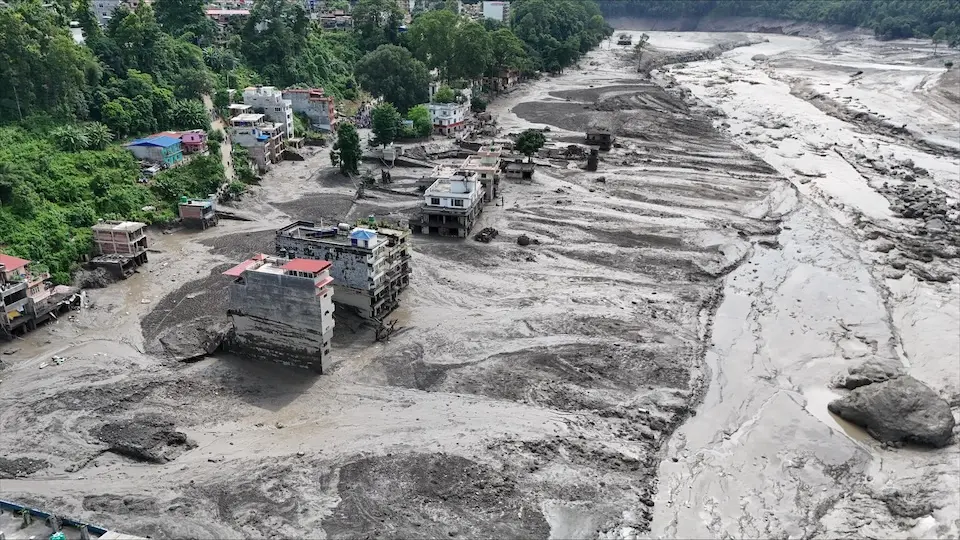
KATHMANDU, August 27 (IPS) - A massive geophysical disaster along the mountainous Nepal-Tibet border has left at least 160 people dead and hundreds more missing after a glacial collapse triggered devastating flash floods and mudslides on Wednesday.
The Indian Ocean Is Sounding the Alarm and Its Islands Are Among the First to Hear It
- Inter Press Service
VICTORIA, Seychelles, August 26 (IPS) - Across this vast ocean, the latest monitoring by Mercator Ocean International shows marine heatwave conditions ranging from moderate to severe. At the same time, the World Meteorological Organization expects a strong El Niño to intensify through August to October, with a positive Indian Ocean Dipole also likely to develop. These are not distant scientific signals. They are an urgent warning that the ocean system on which millions depend is under mounting stress.
Beyond the Horizon: Raising a Generation to Protect the Blue Pacific
- Inter Press Service
SUVA, Fiji, August 26 (IPS) - For generations, Pacific children have grown up with the ocean as part of everyday life. It is where families fish, where stories are passed down, where livelihoods begin and where cultures are rooted. Yet many young people are inheriting an ocean facing pressures unlike anything their ancestors experienced, from warming seas and coral bleaching to plastic pollution and declining marine ecosystems.
Grand Planetary Challenges Need a Grand Coalition to Solve Them
- Inter Press Service
NAIROBI, Kenya, August 26 (IPS) - Several coalitions exist today to defend the territories in which people live and work. Global leaders have long understood the importance of shared responsibility for collective security and have invested significant time in establishing networks, partnerships and alliances. In 2025, global spending on defense reached a record $2.9 trillion.
Powered by