News headlines for “Nature and Animal Conservation”, page 8
Inside GEF’s Blended Finance Push: Turning Public Money Into Private Capital Leverage
- Inter Press Service

SAMARKAND, Uzbekistan, July 7 (IPS) - For most of the Eighth Global Environmental Facility (GEF) Assembly last month, the atmosphere inside Samarkand’s sprawling Congress Centre echoed a growing confidence of global environmental policymakers.
CARICOM Leaders Gather in Saint Lucia as Caribbean Confronts Mounting Global, Regional Challenges
- Inter Press Service

GROS ISLET, Saint Lucia , July 6 (IPS) - Caribbean leaders are meeting in Saint Lucia for their annual summit, confronting a convergence of global and regional challenges ranging from rising living costs and climate change to crime, food security and geopolitical tensions.
Dry Monsoon in South Asia: Looming Fears of Agricultural Loss, Extreme Heat, and Disaster
- Inter Press Service
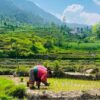
KATHMANDU, July 3 (IPS) - Monsoon season in South Asia, including Nepal, is a period of frequent rainfall, extreme heat, and a busy time of the year for farmers. Most farmers in Nepal depend on monsoon rain to plant paddey, the main source of food.
Abu Dhabi’s Coral Promise to the Future
- Inter Press Service
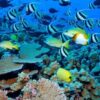
VICTORIA, Seychelles, July 3 (IPS) - In just the first half of this year, Abu Dhabi’s Environment Agency has cultivated 302,415 new coral colonies, bringing the total under the Abu Dhabi Coral Gardens Project to around 1.8 million – a scale of restoration that demands global attention.
Understanding an Interconnected World: Why Roberto Savio Believes Global Citizenship Matters More Than Ever
- Inter Press Service

ROME, July 1 (IPS) - When Roberto Savio begins talking about The Global Citizen Handbook, he does not begin with the book itself.
Middle East Conflict Fallout Pushes Countries toward US$1 Trillion Fossil Fuel Subsidy Bill, warns UN Development Programme
- Inter Press Service
NEW YORK, July 1 (IPS) - Developing countries’ efforts to tackle the ongoing effects of conflict in the Middle East carry a high price that leaves little room for critical investments in education, health and other development priorities, according to a new report by the UN Development Programme (UNDP) released today.
The UN Climate Talks in Bonn Just Failed. Why?
- Inter Press Service
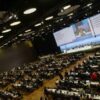
APEX, North Carolina / SAN FRANCISCO, California, June 30 (IPS) - With progress stalled on many issues, this year’s June talks in Bonn—which are supposed to smooth the way towards COP 31 in Antalya at year’s end—were widely judged a failure. What happened? And what does it mean for Antalya?
Smart Farming Is Not the Future. It Is Already Here
- Inter Press Service
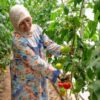
ROME, June 30 (IPS) - Farmers today are producing food under pressures that would have been unimaginable to previous generations. Input costs are rising and supply chains are unreliable. Water is scarcer. Weather is less predictable. And for a growing number of farmers — in Sudan, in Ukraine, in Myanmar, in Gaza — the challenge is producing food at all, in the middle of active conflict. These are not marginal conditions. They describe the reality facing hundreds of millions of people who grow the food the world depends on.
My Journey Through 50 Years of Seychelles’ Independence
- Inter Press Service

VICTORIA, Seychelles, June 29 (IPS) - On the night of 29 June 1976, just before midnight, I stood among my fellow Seychellois at the heart of a moment that would change our history forever.
Universities Join Hands to Enhance Agroforestry Research for Mitigating Climate Change
- Inter Press Service
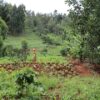
NAIROBI, June 29 (IPS) - A team of universities, led by Addis Ababa University, has joined forces to implement a four-year Intra-Africa academic mobility project aimed at strengthening agroforestry research and education for climate change mitigation.
Powered by