News headlines for “Consumption and Consumerism”, page 51
Africa Calls for Homegrown Climate Solutions in Just Transition
- Inter Press Service

ADDIS ABABA, September 12 (IPS) - African climate negotiators and civil society organizations at the second Africa Climate Summit (ACS 2) have called on governments to include sustainable farming approaches and other Africa-led solutions in their revised Nationally Determined Contributions (NDC) and National Adaptation Plans (NAP) ahead of COP 30, as the only way to have their priorities on the global climate negotiation agenda.
UN Warns of Escalating Humanitarian Emergency in Haiti As Armed Gang Violence and Aid Deepen Crisis
- Inter Press Service

UNITED NATIONS, September 12 (IPS) - In recent months, the humanitarian crisis in Haiti has taken a considerable turn for the worse, with armed gangs continuing to exert dominance over nearly 90 percent of the capital, Port-Au-Prince. Rising violence, the collapse of essential services for millions, and severe cuts to humanitarian funding have left the international community struggling to provide immediate relief and find a sustainable, long-term solution.
Education Cannot Wait Interviews Tom Dannatt, Founder and CEO of Street Child
- Inter Press Service

Tom Dannatt is a Founder and CEO of Street Child, an international non-government organization active in over 20 disaster-hit and lowest-income countries – working for a world where all children are ‘safe, in school and learning’. Tom founded Street Child in 2008 with his wife Lucinda and has led the organization since its inception. Street Child leads the civil society constituency within ECW’s governance and, accordingly, Dannatt represents the constituency on the Fund’s High-Level Steering Committee.
Experts Launch a Climate and Health Curriculum for African Negotiators Ahead of COP30
- Inter Press Service

ADDIS ABABA, September 11 (IPS) - Despite climate change being a health risk multiplier, health is often underrepresented in climate negotiation processes.Experts attribute this to a lack of funding by the African governments and a lack of capacity building among climate negotiators.
Afghanistan’s Overlapping Crises Deepen Following 6.0 Magnitude Earthquake
- Inter Press Service

UNITED NATIONS, September 10 (IPS) - Over the past week, Afghanistan’s humanitarian situation has deteriorated significantly following the August 31 earthquake, which measured over 6.0 in magnitude and caused an immense loss of life and widespread destruction of critical infrastructure. Compounded by the nation’s fragile economy, severe shortages of essential resources, and persistent access challenges, humanitarian organizations have found it increasingly difficult to reach vulnerable communities—especially women and children.
Global Military Spending Shows Misalignment of Priorities, says UN Secretary General
- Inter Press Service

UNITED NATIONS, September 10 (IPS) - Global military spending has been on the rise for more than 20 years, and in 2024, it surged across all five global regions in the world to reach a record high of USD 2.7 trillion. Yet, such growth has come at the cost of diverting financial resources away from sustainable development efforts, which the United Nations and its chief warn puts pressure on an “already strained financial context.”
80 million more children benefiting from school meals, WFP reports
- UN News
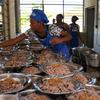
School meals are a crucial way out of poverty into “a new world of learning and opportunity,” according to the World Food Programme (WFP) executive director Cindy McCain.
Banks Embed Climate Risk, Gender and Sustainability in Finance Products
- Inter Press Service

NAIROBI, September 9 (IPS) - As climate shocks intensify across East Africa, from failed rains in Kenya’s arid north to devastating floods in Tanzania’s coastal belt, the region’s banks are emerging as unlikely but powerful players in the resilience race.
North Worsens Tropical Catastrophe
- Inter Press Service

KUALA LUMPUR, Malaysia, September 9 (IPS) - Greenhouse gas (GHG) emissions have risen over the last two centuries, with current and accumulated emissions per capita from rich nations greatly exceeding those of the Global South.
Do We Need a Pacific Peace Index?
- Inter Press Service

Globally, there is a 0.36% deterioration in average levels of peacefulness, as more countries are increasing their levels of militarisation against the backdrop of rising geopolitical tensions, increasing conflict, and rising economic uncertainty.
Powered by