News headlines for “Water and Development”
The World Is Watching Norway. Will the Country Protect Antarctica?
- Inter Press Service
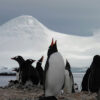
OSLO, Norway, October 28 (IPS) - A global boycott of Antarctic krill products is gathering support. As a Norwegian, I want my country – the world’s largest krill-fishing nation – to change course when it comes to protecting Antarctica.
Protection That Holds: Keeping Nature Safe From Extraction
- Inter Press Service
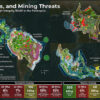
SINGAPORE, October 9 (IPS) - When governments gather in Yerevan this month for the 17th UN Convention on Biological Diversity, they will weigh a promise nearly 200 countries adopted six years ago: to effectively conserve at least 30 percent of land, inland waters, and sea by 2030. Achieving the ambitious 30×30 target is essential to sustaining the systems humanity relies on for survival—including crop pollination, purification of water and air, and climate regulation—as well as the biodiversity that underpins food production, fisheries, and tourism.
Afghanistan’s Drought Deepens, and Women Bear the Heaviest Burden
- Inter Press Service
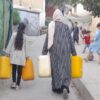
KABUL, October 1 (IPS) - Drought has depleted wells, withered fruit trees, and reduced crop yields across Afghanistan. The heaviest burden of the water shortage falls on women in their daily lives, as they must fetch water from increasingly distant sources and use every single drop with extreme care.
New Ocean Report Warns of Rising Seas, Ocean Heat and Acidification
- Inter Press Service

DAR ES SALAAM, Tanzania, September 30 (IPS) - Fatuma Makame learned to farm seaweed in the shallow water where her parents worked. These days, she grows it farther from shore.
The Connection Between Urbanization and Poverty: How Cities Can Reduce Poverty – Or Deepen It
- Inter Press Service
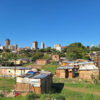
UNITED NATIONS, September 18 (IPS) - Urbanization can help concentrate jobs, services, and investments; however, it can also concentrate unaffordable housing, insecure employment, and unequal exposure to contamination and environmental threats. A recent report from the UN Special Rapporteur on extreme poverty and human rights, argues that the difference is not urbanization itself, but how cities are planned, governed, and financed.
Humanitarian Needs Grow as Nepal Recovers from Catastrophic Floods
- Inter Press Service

UNITED NATIONS, September 11 (IPS) - Two weeks after devastating floods struck Nepal, communities across the country are still struggling to meet basic needs as humanitarian efforts continue. The disaster, triggered by a glacial collapse, has become one of Nepal’s deadliest in recent years, leaving widespread destruction in its wake.
UN and Partners Work to Stabilize Health and WASH Systems in Venezuela Following Deadly Earthquakes
- Inter Press Service

UNITED NATIONS, September 9 (IPS) - Two months after devastating twin earthquakes struck northern and central Venezuela on June 24, the humanitarian community has been on the frontlines, delivering lifesaving aid and focusing efforts on sustainable paths for rehabilitation.
Africa Has the Answers to Its Food Security Challenges. What It Needs Is the Architecture to Act on Them
- Inter Press Service
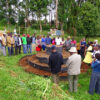
KIGALI, Rwanda, September 3 (IPS) - As leaders gather in Kigali for the Africa Food Systems Forum, they face an urgent question: why do so many proven agricultural innovations still fail to reach the farmers and communities that need them most?
Deadly Flash Floods in Nepal Kill Hundreds and Leave Over 4,200 Missing
- Inter Press Service
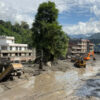
UNITED NATIONS, September 1 (IPS) - On the morning of August 26, an unprecedented series of flash floods struck Nepal and the Tibet Autonomous Region of China, causing immense destruction, killing hundreds of civilians and leaving thousands missing. Entire neighborhoods have been buried underwater and beneath mud as the Nepalese government and humanitarian organizations rush to provide emergency assistance.
The Drylands Dividend: The Smart Investment for Powering a Water-Scarce World
- Inter Press Service
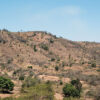
NAIROBI, Kenya, September 1 (IPS) - Open a can of something fizzy and the reason the sugar doesn’t separate immediately is gum arabic, tapped by hand from acacia trees across the Sahel. Spray on perfume and the reason the scent is still there at dinner is frankincense, a resin cut from Boswellia trees on the dry escarpments of the Horn of Africa. The fat that gives a chocolate bar its snap may well be shea, gathered and pressed by women in the parkland belt of West Africa. The cashmere jumper came from goats that can only be raised on cold, dry rangelands.
Powered by