

UN marks first World Turkic Language Family Day
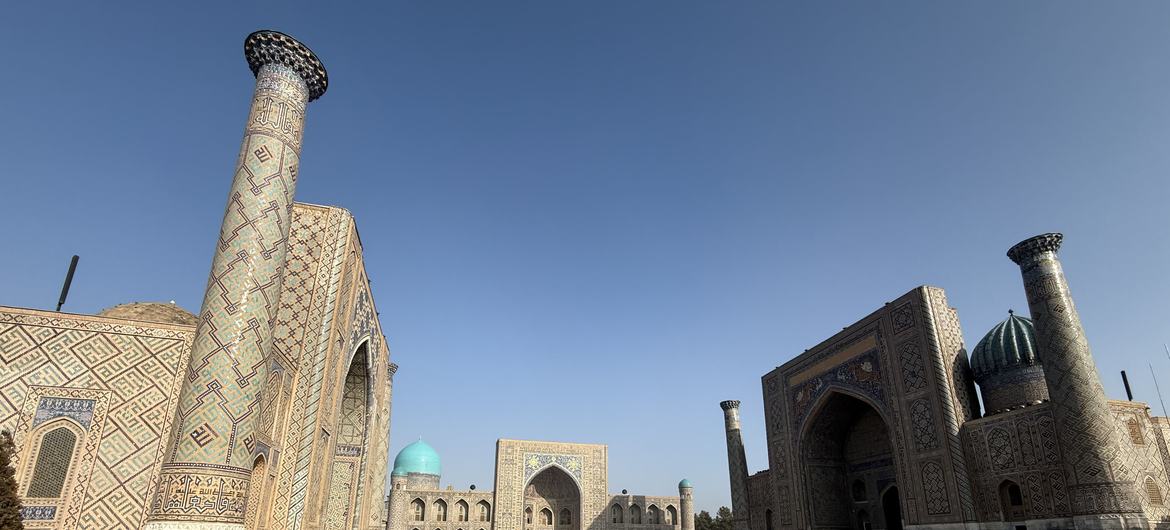
The UN cultural agency, UNESCO, is preparing to celebrate the first ever World Turkic Language Family Day on Monday, following a decision by UNESCO’s General Conference in Samarkand to establish 15 December as an annual observance.
The new commemoration highlights the shared linguistic and cultural heritage of Turkic-speaking peoples and reinforces UNESCO’s wider commitment to multilingualism and cultural diversity.
A historic date
The choice of 15 December is rooted in a landmark moment in linguistic scholarship. On that day in 1893, Danish linguist Vilhelm Thomsen announced he had deciphered the alphabet of the Orkhon Inscriptions – some of the oldest known written records of the Turkic language family.
His breakthrough opened the door to a deeper understanding of a linguistic tradition that today connects dozens of communities across Eurasia.
A global language family
Turkic languages – including Azerbaijani, Kazakh, Kyrgyz, Turkish, Turkmen and Uzbek – are spoken natively by more than 200 million people across an area stretching roughly 12 million square kilometres.
UNESCO notes that these languages carry a rich written heritage, strong oral traditions and diverse cultural practices shared across many Member States.
The proclamation of the new Day followed a joint request from Azerbaijan, Kazakhstan, Kyrgyzstan, Türkiye and Uzbekistan and was supported by 21 Member States, reflecting broad recognition of the value of linguistic diversity.
Strengthening cooperation
UNESCO says the annual observance aligns with the UN’s wider multilingualism agenda, set out in General Assembly resolution 71/328.
By dedicating a day to the Turkic language family, the agency aims to encourage linguistic cooperation, cultural exchange and dialogue among civilizations.
Planned activities include awareness-raising initiatives, academic research and programmes to safeguard Turkic languages and oral traditions.
Annual celebration
The day will be marked with exhibitions, lectures, literary events and artistic performances designed to showcase the historical depth and contemporary vitality of Turkic languages.
UNESCO says the commemoration is an opportunity to honour linguistic diversity as part of humanity’s common heritage and to strengthen international efforts to protect languages as essential vehicles of identity, knowledge and cultural expression.
© UN News (2025) — All Rights Reserved. Original source: UN News