News headlines for “Rights of Indigenous People”, page 11
Indigenous Women Fight for Their Future, Their Land, Rights & Self-Determination
- Inter Press Service

QUEZON CITY, Philippines, Mar 20 (IPS) - Throughout history, Indigenous Women have made remarkable contributions to forwarding the aspirations of their communities for self-determination. Amid the compounded burdens they face as Indigenous Peoples, as women and an oppressed class, let us recognize and celebrate the bravery of Indigenous Women as they strive and inspire with their courage, heritage, leadership and knowledge.
Illegal Artisanal Mining Threatens Amazon Jungle and Indigenous Peoples in Brazil
- Inter Press Service

RIO DE JANEIRO, Jan 29 2024 (IPS) - Artisanal mining, or “garimpo” as it is known in Brazil, has returned to the headlines as a factor in the deaths of Yanomami indigenous people, whose territory in the extreme north of Brazil suffers constant encroachment by miners, which has intensified in recent years.
The Ghost of Oil Haunts Mexico's Lacandona Jungle
- Inter Press Service
MEXICO CITY, Jan 19 (IPS) - The Lacandona jungle in the southern Mexican state of Chiapas is home to 769 species of butterflies, 573 species of trees, 464 species of birds, 114 species of mammals, 119 species of amphibians and reptiles, and several abandoned oil wells.
Guatemala’s Chance for a New Beginning
- Inter Press Service

MONTEVIDEO, Uruguay, Jan 18 (IPS) - Guatemala’s new president, Bernardo Arévalo, was expected to be sworn in on 14 January at 2pm –the 14th at 14:00, as people repeated in anticipation for months. It was a momentous event – but it wasn’t guaranteed to happen.
Centuries-Old Rituals Are Slowly Fading Away in Cambodia
- Inter Press Service

RATANAKIRI PROVINCE, Cambodia, Jan 18 (IPS) - “What on earth are you going to do in Tropeang Krohom?” The driver of the minivan turns his head and gives me a puzzled look. Few passengers want to be dropped off in a settlement between two provincial towns.
Peru's Andean Peoples 'Revive' Water that the Climate Crisis Is Taking From Them
- Inter Press Service
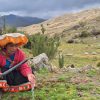
CUZCO, Peru, Dec 18 (IPS) - "The rich world has caused the climate change that is drying up our water sources, and here we are doing everything we can to recover them because otherwise we will die," said Juan Hilario Quispe, president of the small farming community of Muñapata, just over 50 kilometers from the Peruvian city of Cuzco.
Combating Corruption to Address the Triple Planetary Crises
- Inter Press Service

NEW YORK, Dec 07 (IPS) - The triple planetary crisis of climate crisis, biodiversity loss, and pollution is a threat to the well-being and survival of millions of people around the world. Corruption, in its many forms, worsens these multiple crises.
Global Civil Society Launches Manifesto for Ethical AI
- Inter Press Service

NEW DELHI, India, Dec 06 (IPS) - We, a global coalition of over 50 civil society and human rights organizations from over 30 countries have co-developed the "Civil Society Manifesto for Ethical AI", a groundbreaking initiative aiming to steer AI policies towards safeguarding rights and deconolonising AI discourse. We question, and we are not the only ones: whose voices, ideas and values matter in AI ?
A Climate Scientist’s View of COP 28
- Inter Press Service
STOCKHOLM, Sweden, Dec 04 (IPS) - This year’s UN Climate Change Conference is taking place in Dubai from 30 November to 12 December. The so-called COP summits are organised every year and constitute a means for the global community to agree on ways to address the climate crisis, such as limiting global temperature rise to 1.5 degrees Celsius, supporting vulnerable communities to adapt to the effects of climate change, and achieving net-zero emissions by 2050.
Australia: Reconciliation Back to Square One?
- Inter Press Service

MONTEVIDEO, Uruguay, Nov 20 (IPS) - Australia had the chance to take a step forward in redressing the exclusion of its Indigenous people – and chose not to. In a referendum held in October, voters rejected a constitutional amendment to establish an institution for Indigenous people to have a say on matters that concern them.
Powered by