More than a million Lebanese in need, top UN humanitarian official there warns
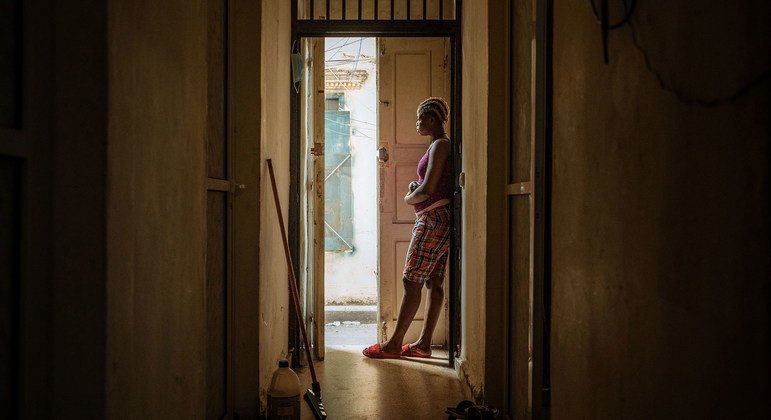
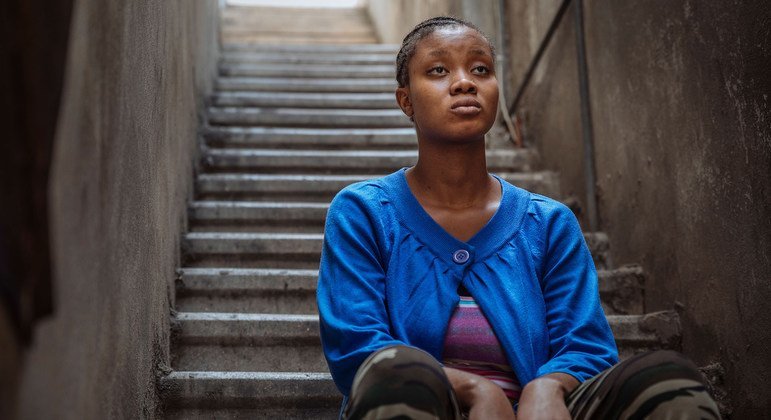
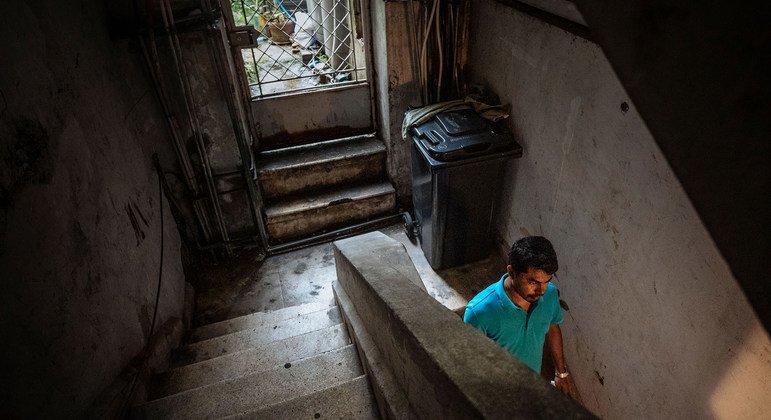
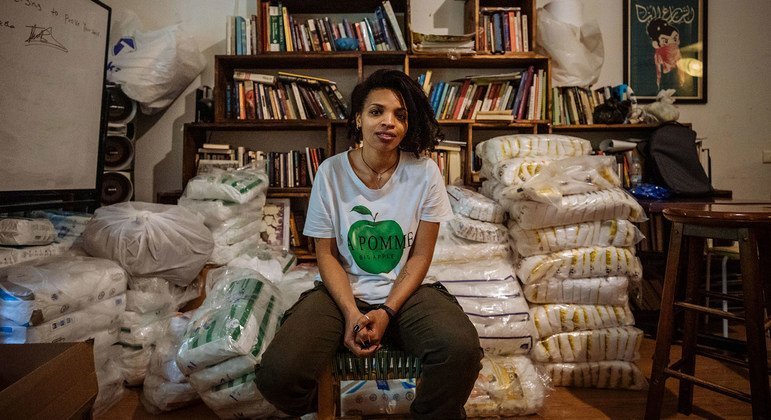
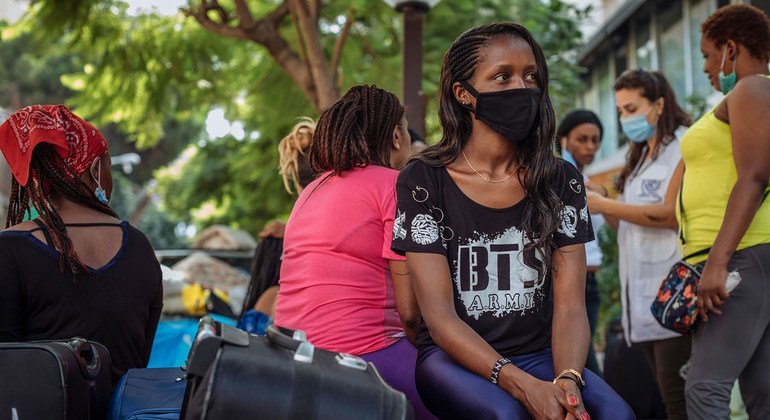
As Lebanon endures one of its worst financial and economic crises ever, the UN estimates that over the next eight months around $300 million is needed to provide vital aid to around 1.5 million Lebanese and 400,000 migrant workers living there.
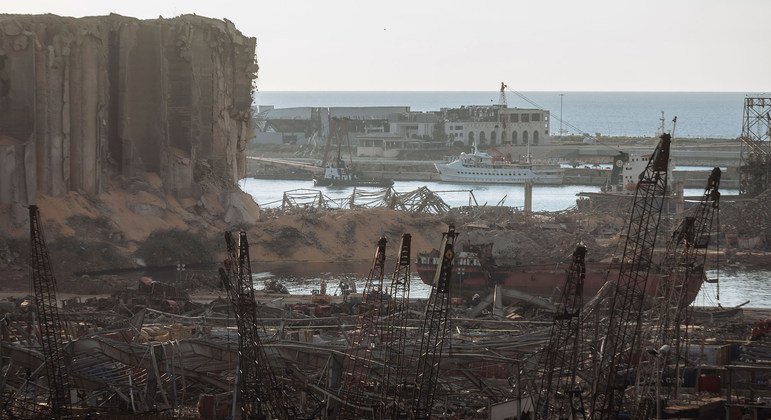
“The explosion at the Beirut port has accelerated a lot of things, that's for sure”, said Deputy Special Coordinator Najat Rochdi, who is also UN Resident and Humanitarian Coordinator for Lebanon, speaking to reporters at the UN in Geneva, referring to the deadly blast last August that killed around 200 and devastated the city.
She said necessary political reforms had not been carried out “on time”, despite widespread warnings over the looming economic and financial crisis, that “a lot of analysts had already predicted…We're not talking about something that takes us by surprise today. I think everyone knew about it”.
Between April 2019 and April this year, the consumer Price Index has increased by more than 208 per cent and the price of food and beverages increased by 670 per cent. As a result, over half of the Lebanese population is now living in poverty.
Public services wrecked
“The crisis in the economy, the currency devaluation, as well as the governance vacuum has meant a breakdown of public services at a time when they are most needed”, said Ms. Rochdi. She added that "the pandemic has worsened a situation which was already fragile”.
The Deputy Special Coordinator said international confidence had been hit by the failure to form a functioning government, deterring investors, and exacerbating the failure of the banking system and other public institutions.
Extreme poverty rose threefold during the past two years. More and more Lebanese households are unable to afford basic services like food, health, electricity, water, internet, and child education.
“The country is in the middle of a phase of hyperinflation, eroding the value of the national currency, people’s purchasing power and what remains of their trust in their leaders and institutions”, said Ms. Rochdi.
Healthcare on the brink
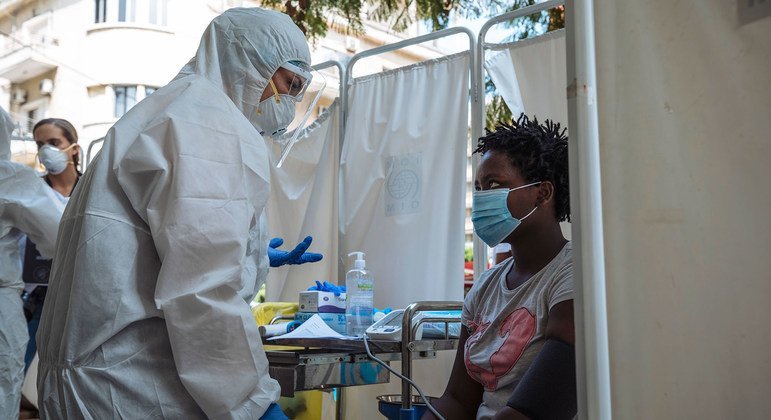
“The public health system is stretched beyond its limits from the double impact of the economic crisis and the COVID-19 outbreak. People are increasingly unable to access and afford health care amid growing shortages of important medicines and medical supplies”.
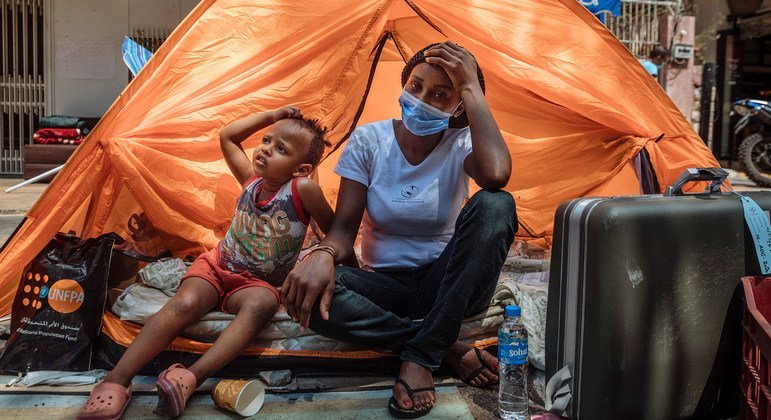
Alarming levels of poverty among refugees were evident in the latest UN survey: nine out of 10 Syrian refugees are falling below the extreme poverty line – a 60 % increase since 2019. Refugee protection is a growing issue with departures at sea on the rise and a considerable risk of refoulement.
“The crisis affects everyone in Lebanon, not just the Lebanese. As you know, Lebanon hosts the highest number of refugees per capita of residents in the world, with over one million Syrian refugees and more than 270 000 Palestine refugees”, said Ms. Rochdi.
The UN with the international community in collaboration with the Lebanese authorities is aiming for a rapid transition towards recovery efforts under the so-called “Reform, Recovery and Reconstruction Framework (3RF)”. This plan entails a focus on governance, social protection, social cohesion, inclusion and gender, health, education, and housing.
Path to recovery
According to Ms. Rochdi, “the solutions are known, the list of priority reforms is very clearly articulated in the 3RF, in the 'Reform, Recovery and Reconstruction Framework', which was in all cases discussed with civil society, with local authorities, with national authorities, with the private sector, with the international community, so it's really a 'no brainer'. It is known, it is well known what must be done".
The international community has warned that without a government that implements meaningful structural reforms, no investments will be made beyond the necessary urgent humanitarian aid and early recovery efforts.
“The development of Lebanon is the responsibility of the Lebanese”, said the Resident Coordinator. “The development of Lebanon is not the responsibility of the international community. We always hope that at the internal level…whether at the level of political leadership, or other leadership, that there is indeed a decision to obviously put the interest of the country and the interest of the Lebanese as a priority”.
Ten months have passed since the resignation of the last Government in the wake of the Beirut port explosions on 4 August. Saad Hariri was designated as Prime Minister more than six months ago, tasked with forming a new administration, but so far without success.
© UN News (2021) — All Rights Reserved. Original source: UN News
Where next?
Browse related news topics:
Read the latest news stories:
- Recovery in Ukraine, one life at a time Saturday, August 01, 2026
- East Asia and Pacific Faces a USD 900 Billion Maritime Investment Challenge Friday, July 31, 2026
- ARMENIA: ‘Anti-LGBTQI+ Discourse Is Increasingly Tied to Anti-democratic Narratives’ Friday, July 31, 2026
- US Casualty Figures Keep Fluctuating in War with Iran Friday, July 31, 2026
- Middle East: Civilian death toll climbs in Gaza, Lebanon and West Bank as UN chief demands ‘the fighting must stop’ Friday, July 31, 2026
- Wildfire smoke poses hidden health threat Friday, July 31, 2026
- Strong El Niño ahead, UN weather agency warns Friday, July 31, 2026
- Dual Crises in Eastern DRC as Ebola Surges and Hunger Deepens Thursday, July 30, 2026
- From the Foothills of Mount Kilimanjaro, Magnolia Athletics Camp Is Helping Girls Stay in School, Pursue Athletics and Escape the Pressures of Harmful Traditional Practices Thursday, July 30, 2026
- Financing Africa’s Digital Future: Institutions Push for Smarter, Coordinated Funding Thursday, July 30, 2026
Learn more about the related issues:
Share this
Bookmark or share this with others using some popular social bookmarking web sites:
 Bluesky