

UN Forum puts spotlight on healthcare for Indigenous Peoples
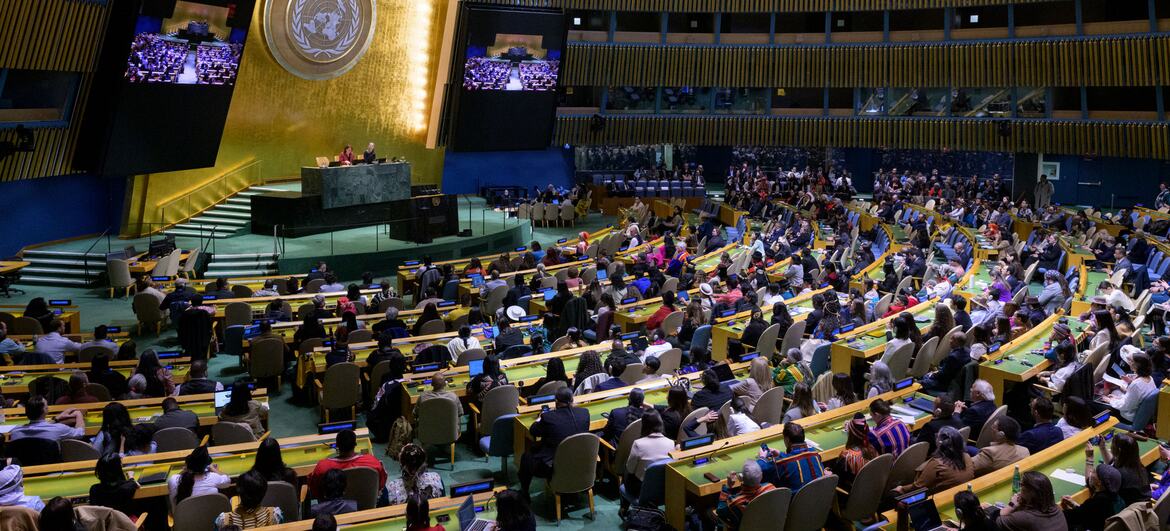
Ensuring Indigenous Peoples’ access to healthcare, including during conflict, is the theme for a major meeting that opened at United Nations Headquarters in New York on Monday.
More than 1,000 participants are expected to attend the latest session of the UN Permanent Forum on Indigenous Issues (UNPFII) – the platform that has placed their concerns at the centre of international debate over the past 25 years.
“From the Amazon to Australia, and Africa to the Arctic, you are the great guardians of nature, a living library of biodiversity conservation, and champions of climate action,” UN Secretary-General António Guterres said in remarks to the opening ceremony.
Health inequities persist
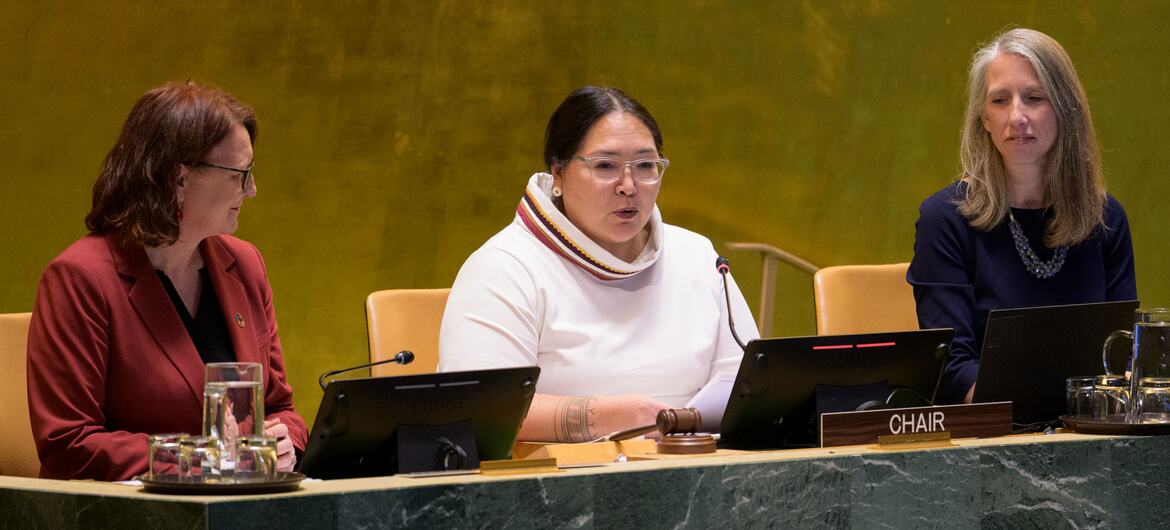
Delegates – many wearing traditional clothing – convened in the General Assembly Hall where an Inuit leader from Canada, Aluki Kotierk, was re-elected chair of the forum by acclamation.
Although Indigenous People make up six per cent of the global population, they account for nearly 19 per cent of those living in extreme poverty. Communities still encounter discrimination, marginalisation and exclusion, and she highlighted the health inequities they face.
Regardless of where in the world they live, Indigenous Peoples experience shorter life expectancy, increased likelihood of chronic illnesses and alarming suicide rates, she said.
“The degradation of Indigenous Peoples’ lands, territories and waters directly contribute to these poor health outcomes,” she added, with communities reporting issues such as mercury contamination and climate change impacts.
Interconnected and inseparable
Ms. Kotierk explained that for Indigenous Peoples, “health and well-being is more than just physical and mental health. It is interconnected with our culture, spirituality, languages, our lands and our environment.”
She argued that health systems and understanding around health “must be decolonized to acknowledge this interconnectedness and incorporate the holistic, self-determined approaches to health by Indigenous Peoples.”
The Secretary-General underscored how their rights are inseparable from their lands, waters, languages, cultures, and ecosystems, stressing that when one is harmed, all are affected.
“This is especially true in the context of conflict, when displacement from ancestral lands, loss of livelihoods, food insecurity, destruction of sacred sites, and disruption of cultural traditions can put health at risk,” he said.
‘A moral failure’
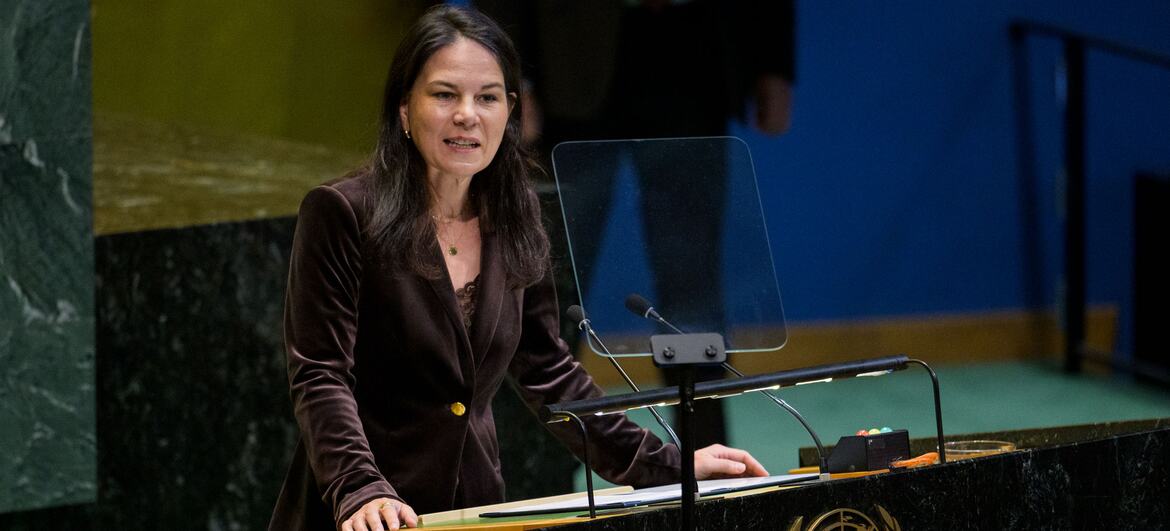
General Assembly President Annalena Baerbock addressed how land loss, displacement and marginalisation have caused communities to suffer higher rates of illness, malnutrition and preventable disease, while life expectancies can be up to 20 years shorter.
“Indigenous women face particularly acute risks, including disproportionately high maternal and infant mortality rates,” she said.
“This is not only a moral failure. It is a development failure. The health and well-being of Indigenous Peoples is both a measure of our progress toward the Sustainable Development Goals and a condition for achieving them.”
Honour commitments, promote participation
The Secretary-General acknowledged Indigenous Peoples as “bearers of cultures, knowledge, and ways of life that have sustained humanity for thousands of years.”
Stressing that their participation in global decision-making has never been more critical, he outlined four priorities for action, with the first urging Member States to honour their commitments under the UN Declaration on the Rights of Indigenous Peoples.
Meanwhile, the UN system and Member States must ensure the full, meaningful, and direct participation of Indigenous Peoples at all levels, supported by adequate and sustained financing.
He called for societies everywhere to take immediate and concrete steps to protect Indigenous Peoples, their leaders, and human rights defenders – and to address the violence and risks they face.
The final area for action is to ensure that Indigenous women and girls can participate meaningfully in decisions that affect their lives, as “their knowledge, leadership, and perspectives must shape the way forward.”
Forum for debate
The UN Permanent Forum on Indigenous Issues (UNPFII) was established in July 2000 as a high-level advisory body to the UN Economic and Social Council (ECOSOC).
It has a mandate to deal with issues in six areas – economic and social development, culture, the environment, education, health and human rights.
The 25th session runs from 20 April to 1 May and will address a range of key issues, including related to the 2030 Agenda for Sustainable Development.
© UN News (2026) — All Rights Reserved. Original source: UN News