News stories by Ines M Pousadela, page 3
Chad: Dictatorship Continues by Other Means
- Inter Press Service

MONTEVIDEO, Uruguay, May 31 (IPS) - On 6 May, people went to the polls in Chad, ostensibly to elect a president who’d usher in democratic civilian rule. Ten days later, the Constitutional Council confirmed there’d be no change: the elected president was the leader of the military-backed transitional government supposedly handing over power, Mahamat Idriss Déby.
Panama’s Elections: Has Impunity Prevailed?
- Inter Press Service

MONTEVIDEO, Uruguay, May 21 (IPS) - Regional experts called it Panama’s most important election since the 1989 US invasion that deposed de facto president General Manuel Noriega. Panamanians went to the polls amid high inflation and unemployment, with a stagnating economy. Endemic corruption was also high on their long list of concerns, along with access to water, education and a collapsing social security system.
Civil Society Scores LGBTQI+ Rights Victory in Dominica
- Inter Press Service

MONTEVIDEO, Uruguay, May 06 (IPS) - On 22 April, Dominica’s High Court struck down two sections of the country’s Sexual Offences Act that criminalised consensual same-sex relations, finding them unconstitutional. This made Dominica the sixth country in the Commonwealth Caribbean – and the fourth in the Eastern Caribbean – to decriminalise same-sex relations through the courts, and the first in 2024.
Migration in the Americas: A Dream That Can Turn Deadly
- Inter Press Service

MONTEVIDEO, Uruguay, Apr 16 (IPS) - The Darién Gap is a stretch of jungle spanning the border between Colombia and Panama, the only missing section of the Pan-American Highway that stretches from Alaska to southern Argentina. For good reason, it used to be considered impenetrable. But in 2023, a record 520,000 people crossed it heading northwards, including many children. Many have lost their lives trying to cross it.
Senegal’s Democracy Passes Crucial Test
- Inter Press Service
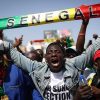
MONTEVIDEO, Uruguay, Apr 05 (IPS) - The fact that Senegal’s election took place on 24 March was in itself a triumph for civil society. That an opposition candidate, campaigning on an anti-establishment and anti-corruption agenda, emerged from jail to become the continent’s youngest leader offered fresh hope for democracy.
Democracy’s Contested Territory
- Inter Press Service

MONTEVIDEO, Uruguay, Mar 19 (IPS) - This year more than half the world’s population has the chance to go to the polls. That might make it look like the most democratic year ever, but the reality is more troubling. Too many of those elections won’t give people a real say and won’t offer any opportunity for change.
Gender Rights: Resistance Against Regression
- Inter Press Service
MONTEVIDEO, Uruguay, Mar 18 (IPS) - Global progress on gender rights has slowed almost to a halt. After decades of steady progress, demands for the rights of women and LGBTQI+ people now play out on bitterly contested territory. Over the course of several decades, global movements for rights won profound changes in consciences, customs and institutions. They elevated over half of humanity, excluded for centuries, to the status of holders of rights.
Greece: Another First for LGBTQI+ Rights
- Inter Press Service

MONTEVIDEO, Uruguay, Mar 01 (IPS) - After almost two decades of civil society campaigning, Greece’s parliament has passed a law enabling same-sex couples to marry and adopt children. It’s the first majority-Orthodox Christian country to realise marriage equality.
Guatemala’s Chance for a New Beginning
- Inter Press Service

MONTEVIDEO, Uruguay, Jan 18 (IPS) - Guatemala’s new president, Bernardo Arévalo, was expected to be sworn in on 14 January at 2pm –the 14th at 14:00, as people repeated in anticipation for months. It was a momentous event – but it wasn’t guaranteed to happen.
Iran, Back to the Grim Normal
- Inter Press Service

MONTEVIDEO, Uruguay, Jan 16 (IPS) - Iran’s time of public rebellion has ended. The protesters marching, chanting and dancing under the ‘Woman, Life, Freedom’ banner have long stopped. And shifting regional dynamics may play to the regime’s favour.
Protest wave repressed
The wave of protest against the theocratic regime started on 16 September 2022 and lasted far longer than anyone could have predicted. But by the one-year mark it had all but died down, its unprecedented scale and reach superseded by the unparalleled brutality of the crackdown.
Powered by