News headlines for “Health Issues”, page 2
Ebola vaccine trial begins in DR Congo
- UN News
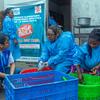
An Ebola vaccine trial is underway in the Democratic Republic of the Congo (DRC), involving frontline health workers and others involved in the response.
Sudan: Blood on Foreign Powers’ Hands
- Inter Press Service
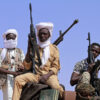
LONDON, September 21 (IPS) - Sudan’s civil war grinds on. It’s close to three and a half years since the Sudanese Armed Forces (SAF) and the Rapid Support Forces (RSF) militia began their battle for supremacy, and the two forces and their allies continue to slaughter civilians with impunity. As a recent UN report makes clear, the killing is enabled by numerous foreign powers that continue to supply weapons, personnel and logistical support. They have made a civil conflict their proxy war, and their self-interest is sustaining the killing.
The race to build a pandemic-proof world
- UN News
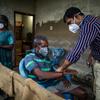
Six years after COVID-19 killed millions, battered health systems, disrupted lives and brought the global economy to a virtual standstill, the world is still grappling with how we can prepare better for the next pandemic.
The Connection Between Urbanization and Poverty: How Cities Can Reduce Poverty – Or Deepen It
- Inter Press Service
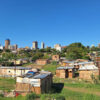
UNITED NATIONS, September 18 (IPS) - Urbanization can help concentrate jobs, services, and investments; however, it can also concentrate unaffordable housing, insecure employment, and unequal exposure to contamination and environmental threats. A recent report from the UN Special Rapporteur on extreme poverty and human rights, argues that the difference is not urbanization itself, but how cities are planned, governed, and financed.
WHO Launches New Global Health Strategy for Childhood Cancer Medications
- Inter Press Service
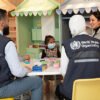
UNITED NATIONS, September 18 (IPS) - When a child is diagnosed with cancer, their chances of survival should not depend on where they live, yet according to the WHO, more than 80 percent of children with cancer in high-income countries are cured, compared with fewer than 30 percent in many low- and middle-income countries (LMICs).
Women and girls pay high price in DR Congo Ebola outbreak
- UN News
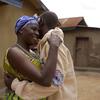
The deadly Ebola outbreak in the Democratic Republic of the Congo (DRC) has taken a disproportionate toll on women and girls, many of whom are on the frontlines caring for patients as well as their own families despite the high risk of infection.
Bangladesh Must Face Its Quiet Crisis of Internal Displacement
- Inter Press Service

DHAKA, Bangladesh, September 17 (IPS) - Bangladesh is rightly praised for saving lives during cyclones and floods. Early warning systems, cyclone shelters and community mobilisation have turned once-catastrophic disasters into emergencies in which evacuation is often possible. But behind that success lies a quieter national failure: millions of people are being uprooted inside the country, often more than once, without a clear path back to secure homes, land or livelihoods.
One Man’s Quest to End Female Genital Mutilation (FGM) in Mali
- Inter Press Service

UNITED NATIONS, September 16 (IPS) - In Mali, an estimated nine out of ten women and girls have undergone female genital mutilation (FGM). And for years, Sidi Haidara, a father and recognized leader in his community, believed the practice was simply part of life.
September 11 and the End of the American Dream - The Day That Changed Everything
- Inter Press Service

On 11 September 2001 I was in New York, on one of my frequent visits to the United Nations, to which I was tied by a consultancy contract. That morning I woke up late, around eleven, sleeping off the jet lag of the flight from Italy. I was staying at the Hyatt Park, today the Millennium. A hotel a few metres from the Glass Palace, built to serve the world of the United Nations.
Central Asia Marks 20 Years of Its Nuclear-Weapon-Free Zone With Renewed Call for Disarmament
- Inter Press Service

TOKYO, Japan, September 11 (IPS) - Twenty years after five Central Asian states signed a landmark treaty banning nuclear weapons across their region, their foreign ministers have used the anniversary to warn that faltering arms-control agreements, nuclear modernization and deepening international mistrust are placing global security under growing strain.
Powered by