

What the US withdrawal from UN bodies could mean for climate, trade and development
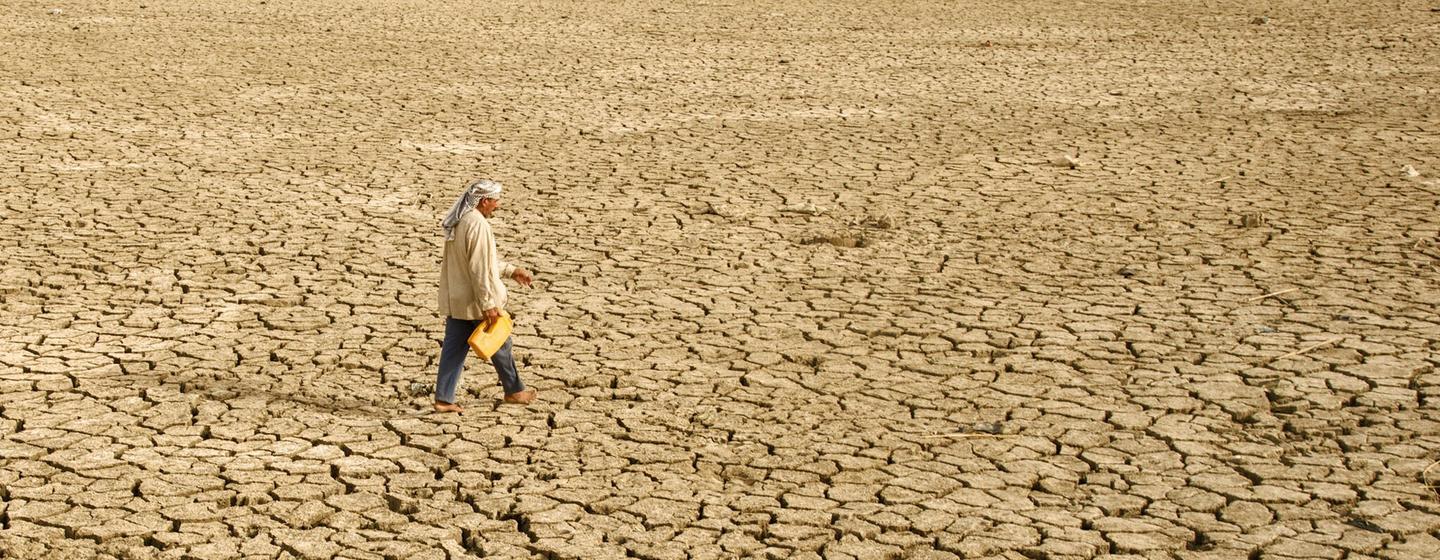
The United States’ intention to withdraw from a host of UN bodies announced this week targets programmes and initiatives focusing on a wide range of crucial areas, including the climate crisis, trade, gender and development.
When UN Spokesperson Stéphane Dujarric briefed correspondents in New York on Thursday following the release of the White House Memorandum, he insisted that the Organisation will continue to carry out its mandates from Member States “with determination.”
Wednesday’s memorandum states that the US administration is “ceasing participation in or funding to those entities to the extent permitted by law.”
Several of the bodies listed in the memo are funded principally or partially by the regular UN budget, implying that voluntary funding will be impacted, although central funding will continue.
However, the White House notes that its funding review of international organisations “remains ongoing,” and it is currently unclear what the impact of the announcement will be.
Here’s a breakdown of the 31 UN entities mentioned in the memorandum, and how they are making a positive difference to people, communities and nations, worldwide.
African affairs
- Office of the Special Adviser on Africa: Provides informed advice on the continent, ensures UN actions in the continent are coherent and aligned with people’s needs
- Permanent Forum on People of African Descent: Aims to improve safety, quality of life and development of people of African descent, provides advice to the UN Human Rights Council
Climate and Environment
- UN Collaborative Programme on Reducing Emissions from Deforestation and Forest Degradation in Developing Countries (UN-REDD): Provides technical assistance, policy guidance and financing for sustainable forest management
- UN Energy; Coordinates the work of 30 UN agencies and international organisations to promote access to affordable, reliable, sustainable, and modern energy for all
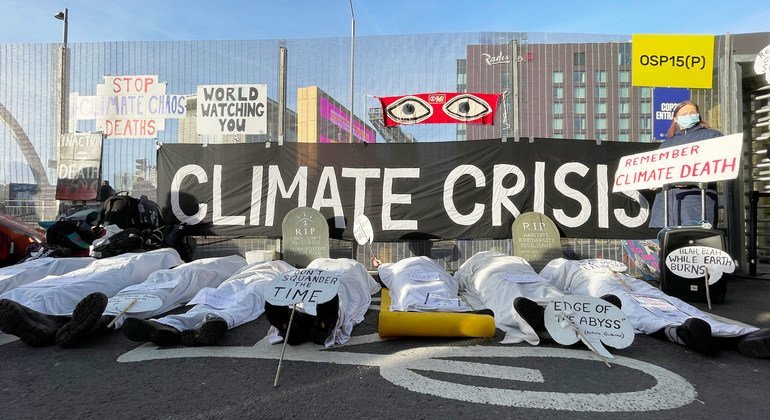
- UN Framework Convention on Climate Change; The UNFCCC, which organises the climate COPs or summits, is central to enabling international cooperation and ensuring transparency and accountability in tackling climate change
- UN Oceans; Strengthens UN collaboration on ocean issues such as the protection of marine ecosystems, promotion of sustainable ocean use and advancing global ocean governance
- UN Water: Coordinates work on water and sanitation issues and promotes the sustainable management of water resources
Coordination
- UN System Chief Executives Board for Coordination; Brings together the heads of UN organisations to ensure unified action on global challenges and the effective delivery of the UN’s mandates
Development
- UN Human Settlement Programme (UN Habitat): Promotes sustainable towns and cities and provides technical and policy advice for the improvement of living conditions and the reduction of urban poverty
Education and training
- UN Institute for Training and Research (UNITAR): Provides training and capacity-building for individuals, organisations, and countries (especially developing nations) on areas like diplomacy, sustainable development, climate change and crisis management
- UN System Staff College: Equips UN personnel with learning, training and advisory services to ensure a capable, adaptable and collaborative UN workforce
- UN University: The UN’s global think tank and postgraduate teaching organisation conducts research and provides policy advice on pressing global issues
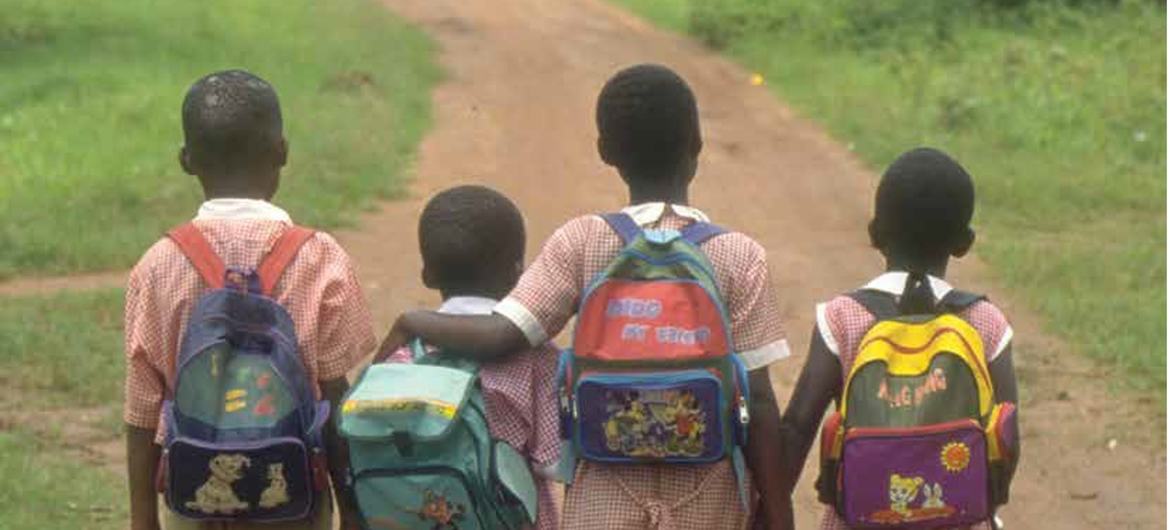
- Education Cannot Wait: The UN global fund dedicated to education in emergencies and protracted crises, to ensure that children and youth affected by conflict, displacement, and disasters have access to safe, quality education
Gender
- The agency for gender equality and the empowerment of women (UN Women): Works to eliminate discrimination against women and girls, promotes gender equality, and empowers women globally

Health
- UN Population Fund (UNFPA): Promotes sexual and reproductive health and rights for all, promotes gender equality and collates population data for development, helping to reduce maternal mortality and expand access to family planning
International Law
- International Law Commission: Mandates the development and codification of international law by drafting legal instruments and clarifying principles; fostering the rule of law, and supporting peaceful relations among states
- International Residual Mechanism for Criminal Tribunals: Carries out essential functions of the former International Criminal Tribunals for Rwanda and the former Yugoslavia, completing ongoing cases, protecting witnesses and preserving archives, ensuring accountability for serious international crimes
Reducing conflict and violence
- Office of the Special Representative of the Secretary General for Children in Armed Conflict: Leads global advocacy and monitoring to protect children affected by armed conflict
- Office of the Special Representative of the Secretary-General on Violence Against Children: Advocates globally to prevent and eliminate all forms of violence against children
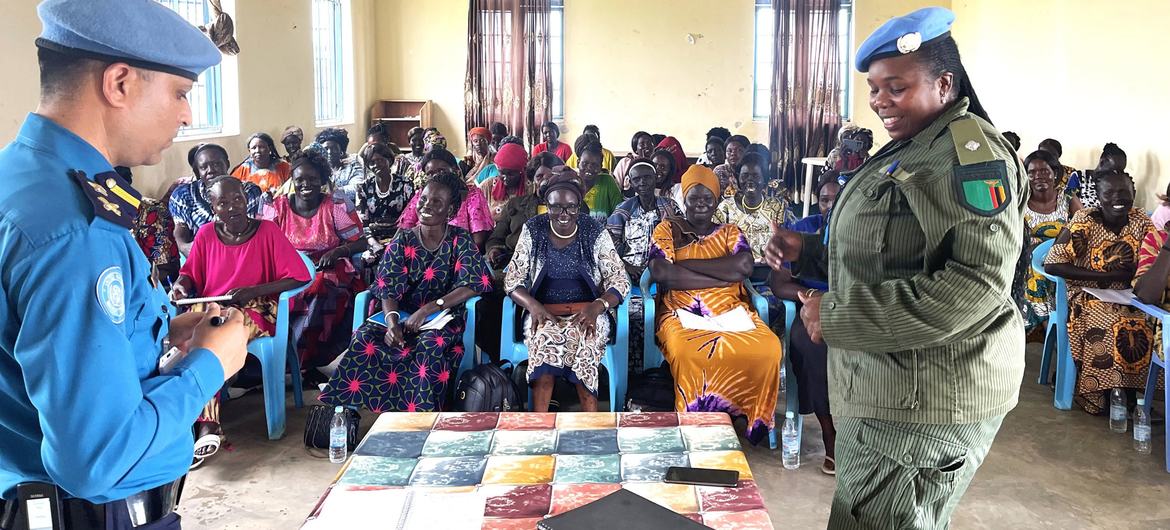
- Office of the Special Representative of the Secretary-General on Sexual Violence in Conflict: Leads UN efforts to prevent and respond to conflict-related sexual violence by advocating for survivors, engaging with governments and armed groups to end violations, and promoting accountability
- Peacebuilding Commission: Support peace efforts in countries emerging from conflict by coordinating resources, providing strategic advice, and fostering partnership
- Peacebuilding Fund: Providesflexible funding for peacebuilding initiatives for the prevention of relapses into violence and the establishment of long-term stability and development
- UN Alliance of Civilizations: Promotes dialogue and cooperation among nations, cultures and religions to counter polarisation and extremism
- UN Register of Conventional Arms: Invites Member States to report annually on imports, exports and holdings of major conventional weapons, reducing the risk of armed conflict through greater openness in arms transfers
Trade and the Economy
- Department of Economic and Social Affairs: Generates and analyses economic, social and environmental data, helping nations to address pressing development challenges
- Economic Commissions for Africa, Latin America and the Caribbean, Asia and the Pacific and Western Asia: These regional commissions provide policy guidance, facilitate intergovernmental dialogue and build capacity for sustainable and inclusive development
- International Trade Centre: Empowers small and medium-sized enterprises in developing and transitioning economies through trade and market intelligence, technical assistance and capacity building
- UN Conference on Trade and Development: Helps developing countries to integrate into the global economy by providing research, policy analysis, and technical assistance on trade, investment, finance, and technology
© UN News (2026) — All Rights Reserved. Original source: UN News