

At the heart of change: Spotlight Initiative highlights breakthroughs in tackling gender-based violence
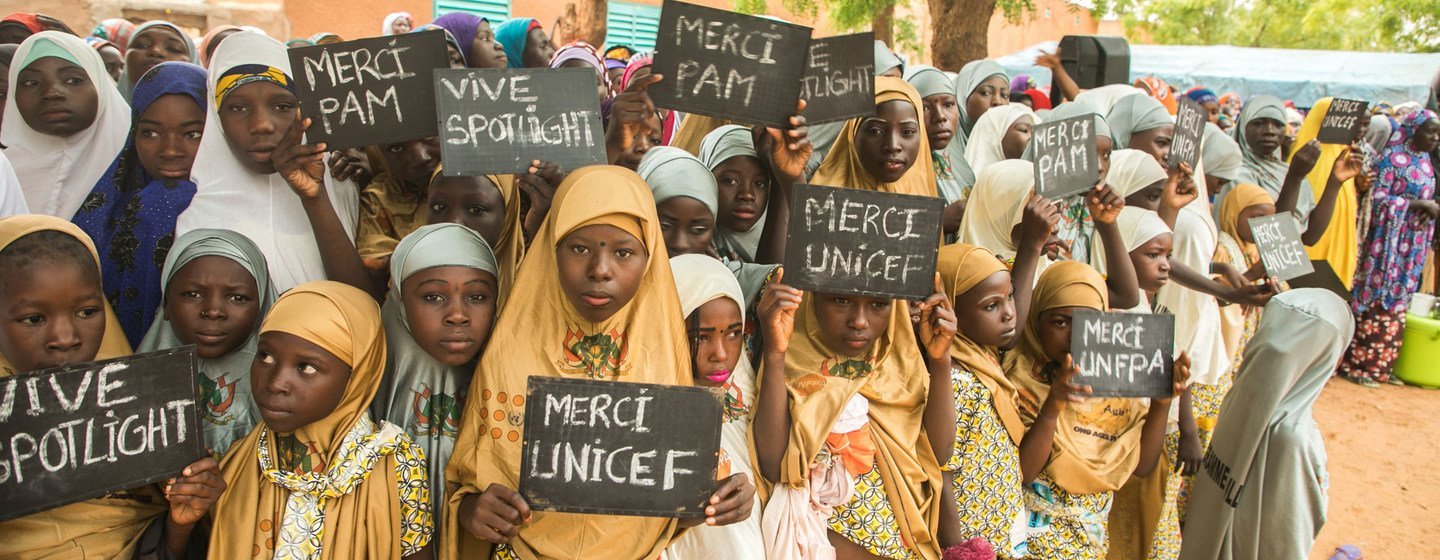
When it comes to protecting women and girls from gender-based violence, change happens when they are “at the heart of every decision,” according to Erin Kenny, Global Coordinator of the Spotlight Initiative a United Nations–European Union partnership aimed at tackling all forms of abuse against women and girls.
At the heart of change: Spotlight Initiative highlights breakthroughs in tackling gender-based violence
When it comes to protecting women and girls from gender-based violence, change happens when they are “at the heart of every decision,”according to Erin Kenny, Global Coordinator of the Spotlight Initiative a United Nations–European Union partnership aimed at tackling all forms of abuse against women and girls.
Since 2017, Spotlight, has been working to prevent violence, sexual and gender-based violence (GBV), as well as femicide, human trafficking, and labour exploitation.
Worldwide, one in three women has experienced physical or sexual violence, and in many places, this number is even higher.
Here are some of the initiative’s major breakthroughs highlighted in a report focusing on its innovative approaches, and its sustained achievements over the past seven years.
Finding empowerment in Zimbabwe
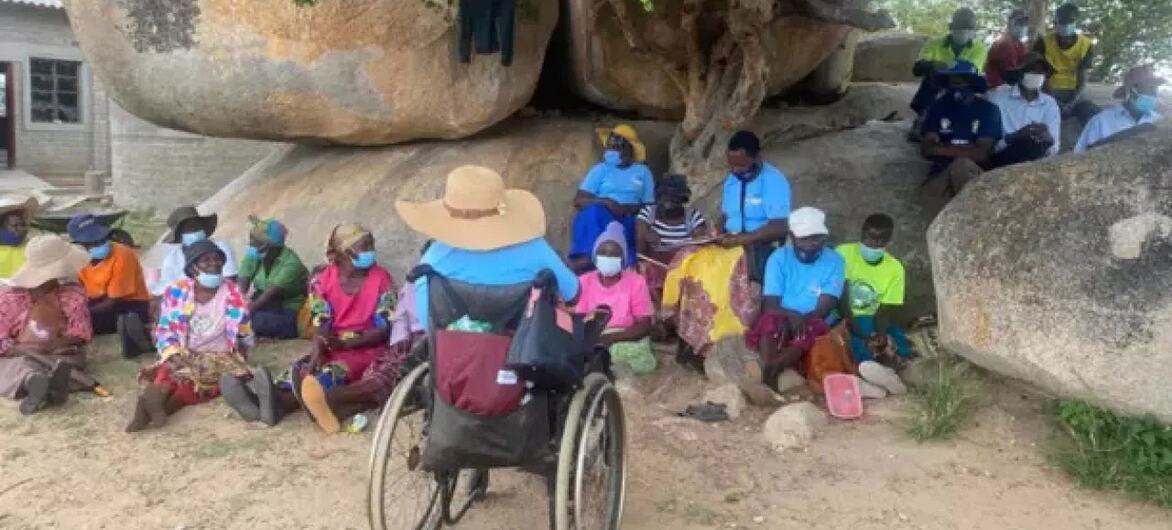
In Zvimba, Ndakaitei Matare, a mother of one and chair of a disability support group, knows firsthand the challenges of living with a disability having faced, since an early age, barriers to education, assistive devices, and economic opportunities.
Through a partnership between Spotlight and the government, Ndakaitei and other women with disabilities have found empowerment, raising awareness through disability support groups about GBV, rights and inclusion.
“We are capable of doing a lot if we unite and work together,” she said, a testament to how knowledge and community can transform lives.
Access to justice for women
Since, access to justice for survivors of sexual violence has significantly improved. Victim-Friendly Courts now offer safe spaces for women and children, and the Judicial Services Commission continues to support survivors with transport and food allowances and has expanded three more courts with separation rooms.
Supporting child survivors in Haiti
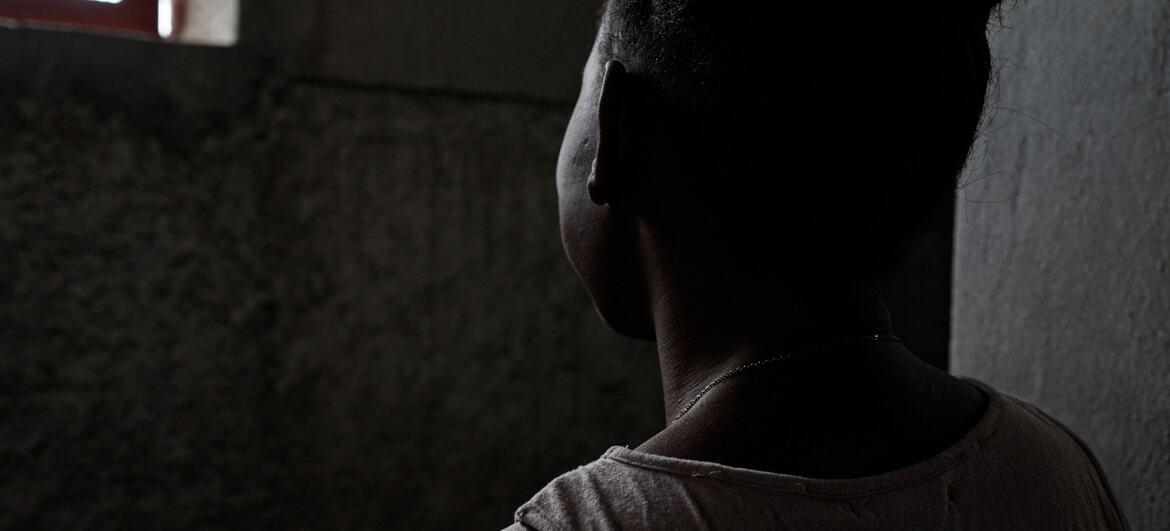
In summer 2023, Taina* was kidnapped and held captive for a week by a Haitian gang.
She recalled being held in a residence where two men raped her one after the other, describing it as a ‘nightmare week’.
While others were also held captive, she was the only minor.
Thanks to Spotlight, Taina received medical, psychological, and social support, housing, microfinance and income-generation training, school fee assistance, and emergency relocation.
"In this environment, I could finally breathe," said Taina.
She now looks to the future with determination, dreaming of becoming a police officer and planning to resume her studies while pursuing courses in beauty treatment and cooking.
Tackling sexual violence
More than one in three Haitian women has experienced violence from a partner or husband. Nearly 30 per cent of women of childbearing age have suffered physical violence — almost half from an intimate partner. Twelve per cent have experienced sexual violence, including many girls aged 15 to 17.
Supporting women migrant workers' rights in Thailand

Namwaan* left Myanmar in 2003 to pursue a better life in Thailand.
The first job she found was in a textile factory. She recalled working long hours for little income. “I had to work 12-16 hours per day for only 70 baht ($3).”
Invisible, exploited, abused, silenced. These are just some of the words used by women migrant workers to describe their working conditions.
As Namwaan didn’t read or speak Thai, she was not able to negotiate her working conditions and she feared she’d be punished by her employer if she tried to speak up.
“Some of my colleagues were harassed, locked up, or faced physical abuse when they spoke up about their working conditions,” she said.
Recovering from abuse
Through awareness campaigns, support desks located at airports, and service provider training, the Spotlight Initiative has explained therisks faced by women migrant workers.
For Namwann, the training offered a space to connect with others who had faced similar abuse.
"I felt completely connected to their stories," she said. "This programme gives millions of women hope for decent work free from violence."
Banning corporal punishment in Tajikistan
In 2023, Tajikistan became the 66th country in the world to ban corporal punishment, a transformative policy shift which was made possible through the Spotlight Initiative.
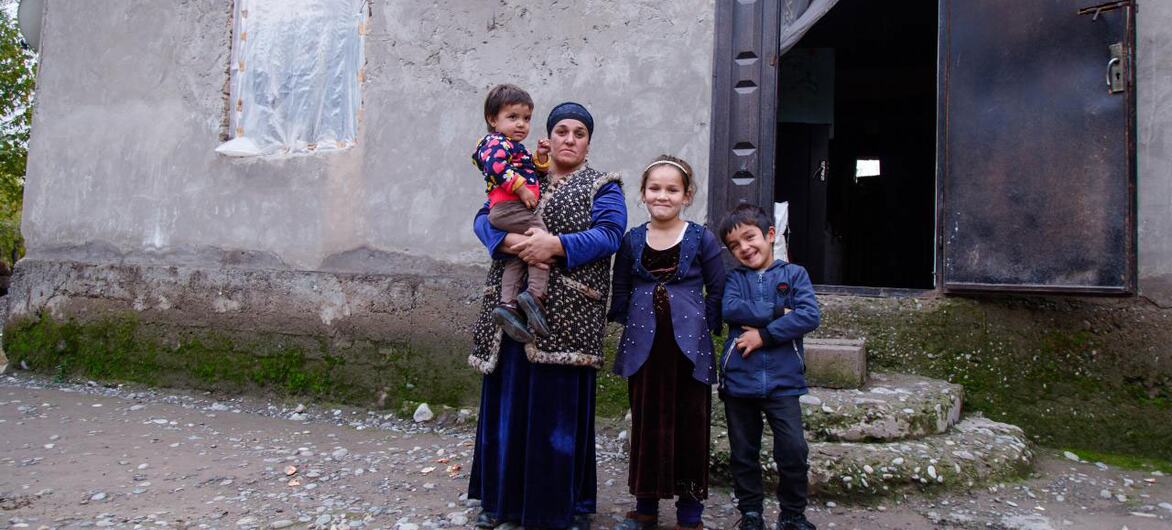
Partnering with the Ministry of Health, the initiative established 15 victim support rooms — offering integrated medical, psychological, and referral services, including short-term shelter.
More notably, transformation extended into communities — strengthening the role of religious leaders as advocates for gender equality and key actors in violence prevention efforts.
In more than 300 schools, Spotlight supported the creation of a national incident reporting mechanism which the government took full ownership of and publicly committed to expanding nationwide by 2030.
© UN News (2026) — All Rights Reserved. Original source: UN News