

Why lower fertility does not have to mean economic decline
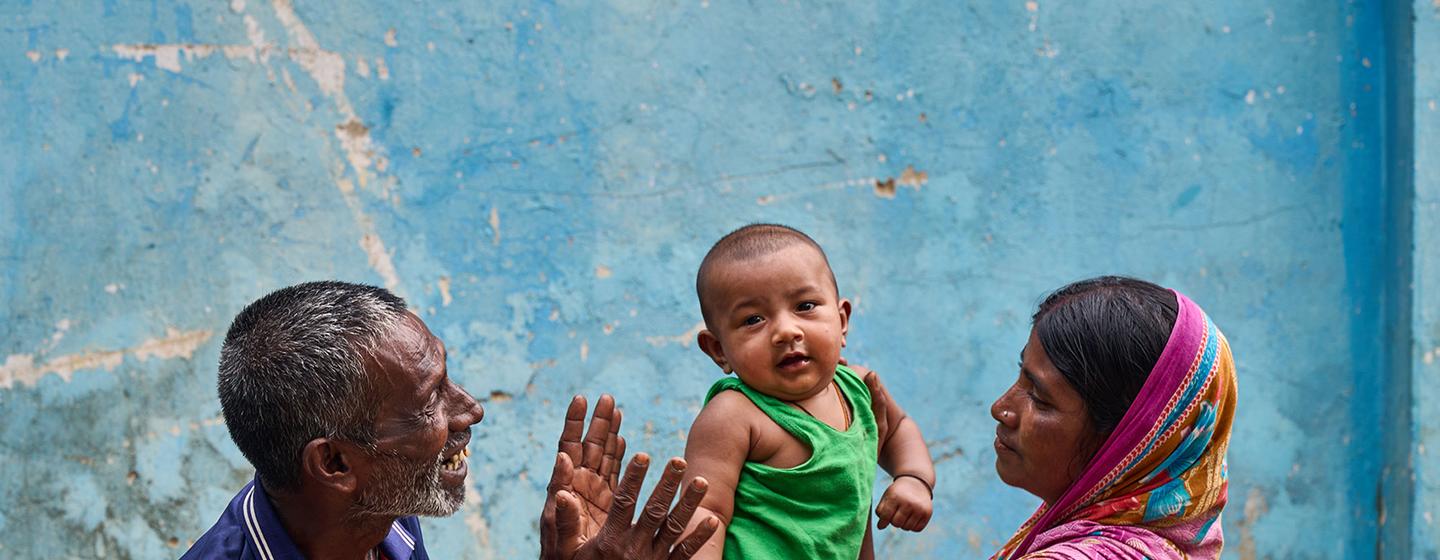
Globally, most people say they want two or more children, but many are having only one, or none at all. According to a senior UN economist, fears of a demographic timebomb are unwarranted.
There’s no getting away from the fact that in many countries around the world, populations are ageing and fertility is declining.
The latest State of World Population report from the UN sexual and reproductive rights agency (UNFPA) shows that around one in five adults worldwide believe they will not be able to have the number of children they want, largely because of economic insecurity, inequality and lack of support.
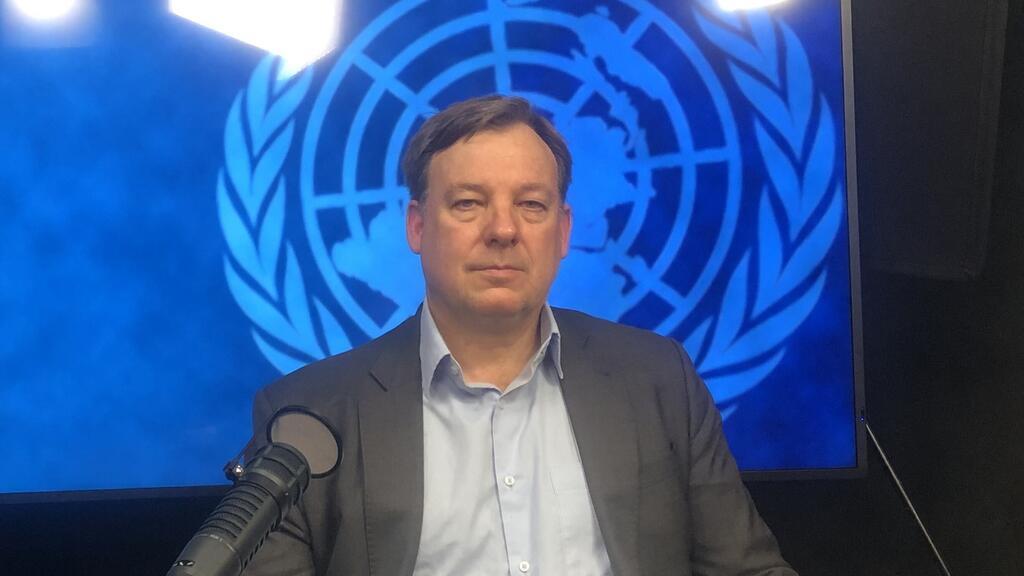
But Michael Herrmann, an economist and demographer with UNFPA, cautions against panic. “Demographic change is not a crisis in itself,” he says. “It’s a reality we need to understand, plan for, and adapt to.”
Demographic resilience
Mr. Herrmann, who spoke on the sidelines of the Commission on Population and Development, which is meeting this week at UN Headquarters in New York, is advocating for a concept that is gaining attention: demographic resilience.
This means helping societies to anticipate population change, adapt their institutions and make better use of their human potential – an approach that is applicable to developing and wealthy countries, whether their populations are growing, shrinking, or ageing.
Some countries experience a “demographic dividend” when a growing working-age population boosts economic growth.
Others, further along the demographic transition, can benefit from a “second dividend” by investing in education, health, skills and technology to raise productivity.
Honey, I shrunk the workforce
One of the most visible effects of ageing populations is a shrinking workforce. Many governments have responded by raising retirement ages, a response that Herrmann says is often too blunt an instrument.
Simply requiring everyone to work longer ignores the different capacities, preferences and life circumstances of older adults.
Some may want to keep working, albeit in part-time or less demanding roles. Offering more flexible options can help older workers stay engaged while easing pressure on pension systems.

Cash for kids?
As birth rates fall, some governments react with cash bonuses, tax breaks, or even official fertility targets. The evidence suggests these measures have limited and short-lived impact.
“One-off payments don’t change long-term decisions,” says Mr. Herrmann. At best, they may influence when people have children, not whether they do.
UNFPA’s new Youth Reproductive Choices Survey, now under way in 70 countries, takes a different approach: asking people directly why they are having fewer children than they want.
Early results highlight a mix of economic and social pressures. High housing and childcare costs, insecure employment and worries about the future – from political instability to climate change – all weigh heavily.
So do unequal gender roles, with women often bearing most unpaid care and domestic work burdens.
“These are not issues that can be solved with a cheque,” Herrmann says.
The right to choose
Policies driven by fear of population decline can also undermine rights, particularly for women.
Fertility targets and top-down directives sometimes come with harmful assumptions; for example, that women should stay home, that sex education should be curtailed, or that access to reproductive healthcare should be restricted.
A rights-based approach starts from a different question: what prevents people from having the children they want?
From there, governments can identify practical solutions, such as affordable housing, accessible childcare, parental leave for both parents, stable jobs and equal pay. Such policies support families without coercion.
Ageing does not mean decline
Ageing populations do pose real challenges, especially for pension systems and health. But they do not automatically spell economic decline.
Spending on health and long-term care also creates jobs, particularly in services rooted in local communities. Older people, meanwhile, contribute in many ways beyond paid work, from caring for family members to volunteering.
The bigger challenge, Herrmann argues, is a smaller labour force. Addressing it requires inclusion – in other words, bringing more women, migrants, young people and older workers into employment – alongside investments that raise productivity, such as education, skills, technology, and infrastructure.
Migration is not a quick fix
Migration is another powerful – and often misunderstood – demographic force.
In countries experiencing steep population decline, low birth rates are usually only part of the story.
High emigration plays a major role too. In parts of the Western Balkans, populations have fallen by 20 to 30 per cent since the 1990s, largely because people left to seek work elsewhere.
By contrast, countries such as Germany have largely avoided population decline thanks to inward migration.
But migration is not a quick fix. Without language training, recognition of qualifications and pathways into work, many migrants remain excluded from the labour market to the detriment of both newcomers and host societies.
Listening instead of panicking
Ultimately, Mr. Herrmann’s vision of demographic resilience is grounded in listening.
If most people want two children but have fewer, the answer is not to pressure families, or panic. The solution involves understanding their realities and shaping policies that expand choice rather than limit it.
Get that right, he says, and demographic change becomes something societies can manage, with fairness, confidence and an eye on the long-term.
© UN News (2026) — All Rights Reserved. Original source: UN News