

Oil, plastics and climate: Why higher prices could speed a materials transition
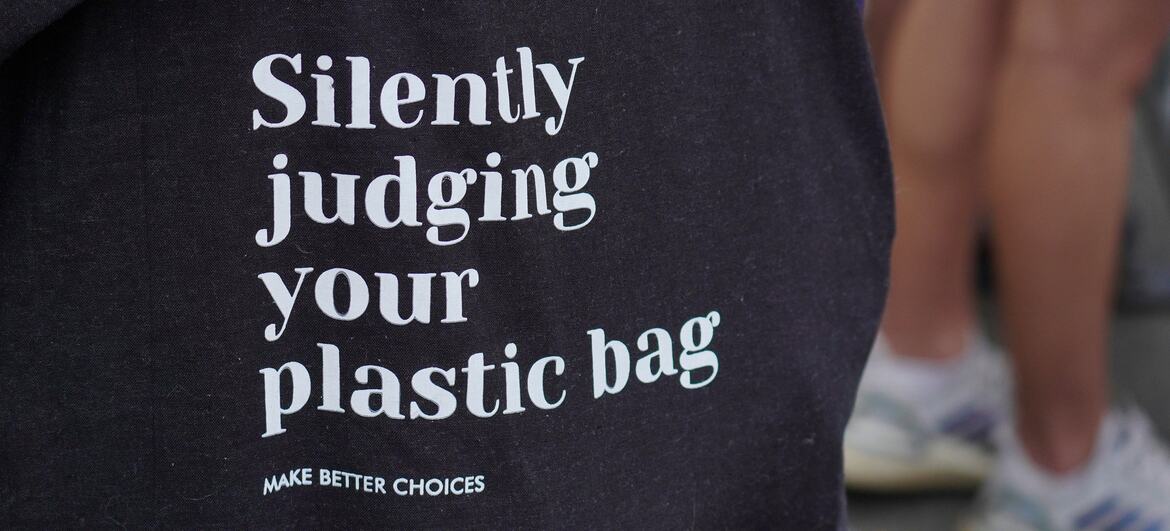
As oil prices have risen amid geopolitical turmoil, one perhaps overlooked driver of climate change is coming into sharper focus: the production of plastics which are deeply tied to fossil fuels.
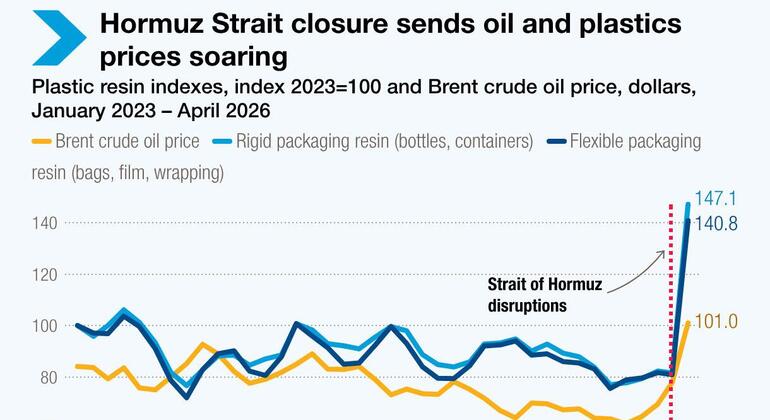
Most conventional plastics are made from oil and gas and production costs have increased recently as a result of the closure of the Strait of Hormuz in the Middle East.
That means when the price of those raw materials rise, the cost of producing plastic often rises too, creating incentives to reduce wasteful use, expand reuse systems and invest in alternatives that are lower in carbon and do less harm to the environment.
Why it matters
The world’s plastic economy is not just a waste issue. It is also a climate issue.
The increased use of plastics, which inevitably means more plastic pollution, is not only extremely harmful to the planet’s biodiversity but also contributes to climate change.
Oil prices, plastics and climate change
Plastics are made overwhelmingly from petrochemicals derived from oil and natural gas.
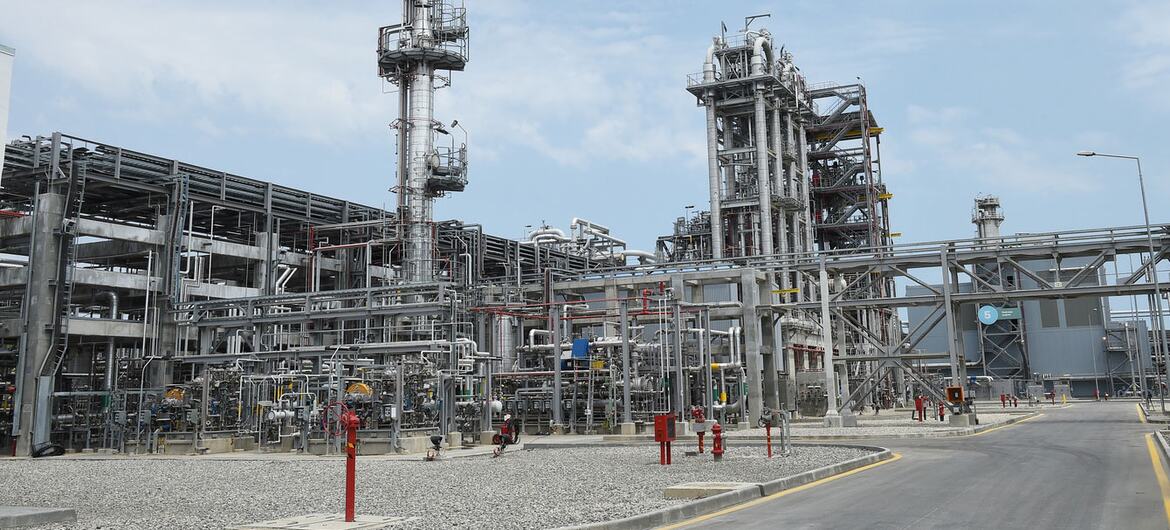
According to the UN Environment Programme (UNEP), plastics generate damaging greenhouse gas emissions across their entire lifecycle, from extraction and refining to production, transport and disposal.
UNEP says those harmful gases which are driving climate change are likely to increase if plastics production continues to rise unchecked.
Where plastics are used and where change is easiest
Plastics are used across the world because they are cheap, durable, lightweight and versatile.
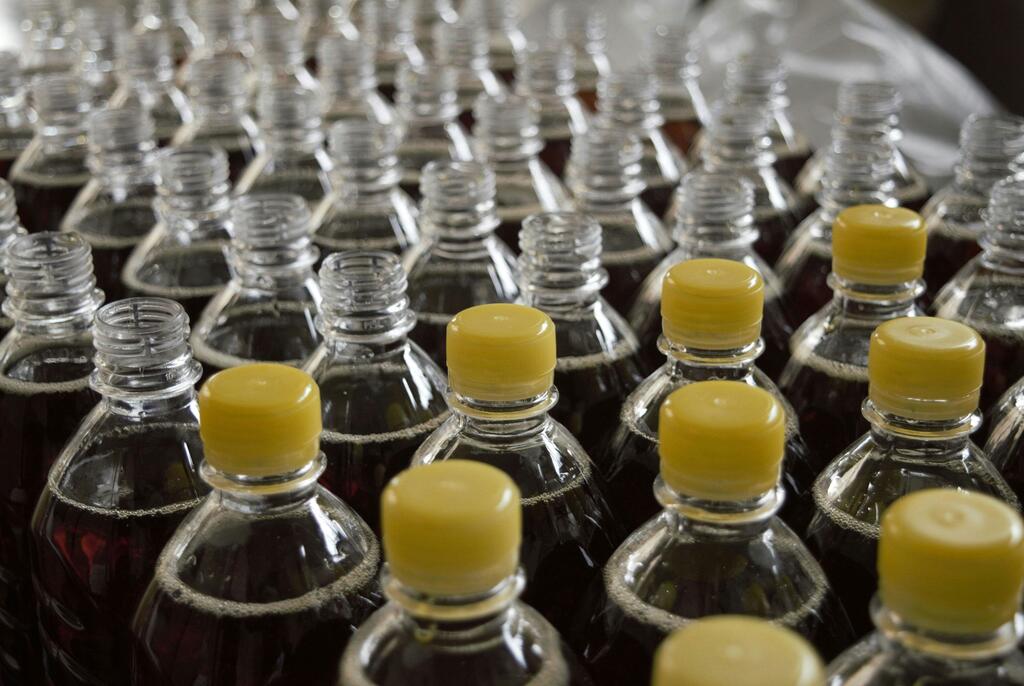
- The largest share of plastics is found in packaging, including food wrappers, bottles, shopping bags and single-use containers. These are the easiest to replace.
- Construction, for example, pipes, insulation, flooring and window frames, is also a huge consumer of plastics (some replaceability)
- Consumer goods and textiles, polyester clothing, toys furniture and household goods also require a lot of plastics (mixed replaceability)
- As do transport (eg vehicle parts) and electronics (harder to replace quickly)
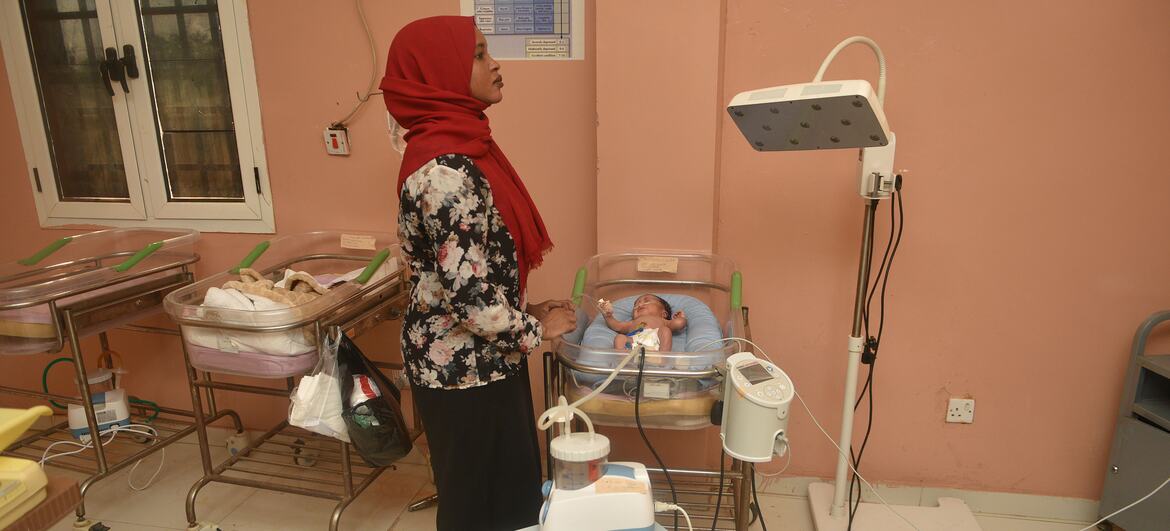
- Medical uses, like syringes, PPE and sterile packaging are difficult to replace with non-plastics (low replaceability)
According to UNEP, “we need to rethink how we produce, use and dispose of plastics.”
So which plastics can realistically be replaced?
The key test is necessity versus convenience:
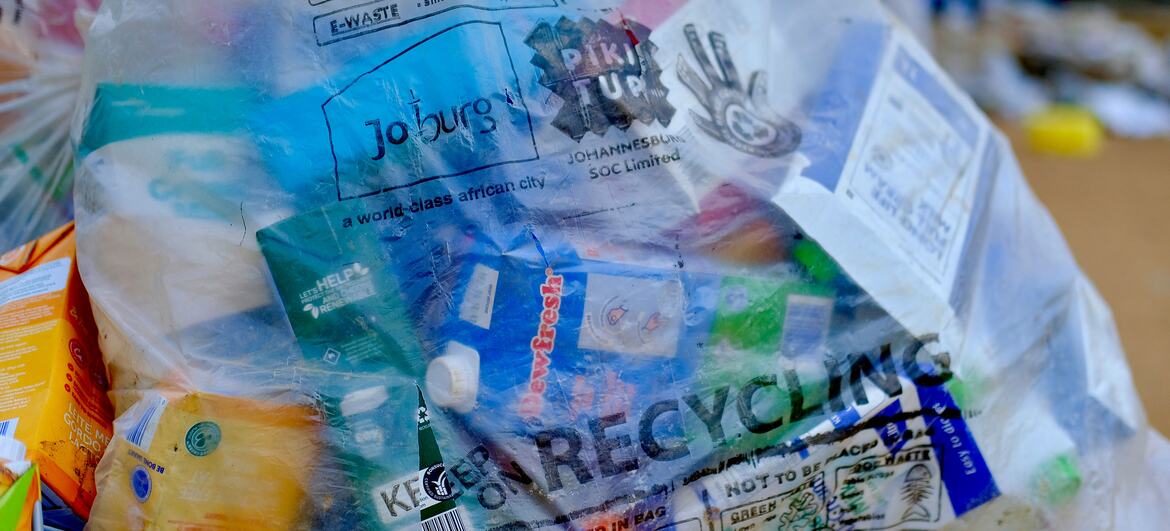
- Roughly one-third of the world’s plastics are easily replaceable. Many countries have already passed laws banning plastic shopping bags and utensils, encouraging people to shop with reusable bags and use metal or wood-based cutlery.
These changes often become economically attractive when oil prices rise.
- Another third of plastics globally are partially replaceable, including textiles, construction materials and furniture, although in some cases the substitution can cause more environmental harm overall, especially in terms of climate emissions or deforestation.
- Some plastics with critical technical uses including medical plastics, electrical parts are almost impossible to replace.
As UNEP emphasises, “the answer is not to ban all plastics, but to end unnecessary, avoidable and problematic plastics.”
It’s worth remembering that not all plastic is equally harmful.
- Plastic insulation can reduce building emissions
- Lightweight vehicle components can lower fuel use
Higher oil prices can drive adaptation
As virgin plastic becomes more expensive:
- Excess packaging becomes less attractive, so businesses look for cheaper alternatives
- Single-use items like food containers lose their price advantage and can be replaced by, for example, reusable glass bottles
- Bans and levies gain support amongst the public as do the benefits of recycling
According to UNEP, “reuse is one of the most powerful market shifts available.”
The bottom line
The widespread need for plastics can keep fossil fuel demand alive, although higher oil prices can act as a hidden accelerator of change.
As fossil-based plastics become more expensive, countries across the world have a realistic pathway to:
- Cut unnecessary plastic first
- Expand reuse and refill systems
- Use alternatives where they make sense
- Decarbonize essential plastics that remain
That makes plastics not just a waste story, but part of the global energy transition.
© UN News (2026) — All Rights Reserved. Original source: UN News