News headlines for “Human Rights Issues”, page 3
30 Years of War, 30 Years of Impunity in DR Congo
- Inter Press Service

WASHINGTON DC, October 15 (IPS) - It has been 30 years since Rwanda-backed rebel forces attacked Lemera hospital in what was then eastern Zaire, killing 37 patients and medical staff. This was one of the first major atrocities during what became known as the First Congo War, helping to unleash decades of foreign-backed rebellions and grave abuses against civilians by all sides, including ethnic-based massacres, widespread rape and sexual violence, forced recruitment of children, abductions, torture, mutilation, and forced displacement.
Kenia Hernández: Indigenous Rights Defender Imprisoned for Her Activism
- Inter Press Service
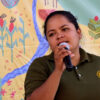
JOHANNESBURG, South Africa, October 15 (IPS) - Kenia Hernández is an Indigenous Mexican lawyer and human rights defender dedicated to advancing women’s rights and social justice.
Could your brain data be used against you? UN calls for limits on neurotechnology
- UN News

Brain signals recorded by a gaming headset or a wellness gadget could one day be used as evidence against you in court, according to a new UN report which warns that neurotechnology is outpacing the laws meant to protect human rights.
Afghanistan faces record hunger levels amid rampant rights violations
- UN News
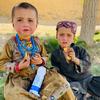
Acute malnutrition and hunger in Afghanistan have reached the highest levels ever recorded, with 15.9 million people facing acute food insecurity and conditions set to worsen in the coming months, according to a global hunger monitor report released on Thursday.
Crisis and Opportunity at the UN
- Inter Press Service
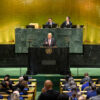
LONDON, October 14 (IPS) - At this year’s highest-profile UN event, Donald Trump publicly mused over his ‘big decision’ about whether to ‘annihilate’ Iran. Israeli Prime Minister Benjamin Netanyahu, as dozens of delegates walked out, branded those who condemn genocide in Gaza ‘moral cowards’.
When Medicine Becomes a Tool for Torture: The Hidden Role of Medical Personnel in Russian Captivity
- Inter Press Service

KYIV, Ukraine, October 14 (IPS) - Medicine is supposed to protect human life and dignity. Yet testimonies from Ukrainians released from Russian captivity reveal a disturbing reality: medical personnel in places of detention have not only denied prisoners necessary treatment but, in documented cases, participated in torture and ill-treatment.
Middle East Escalation Could Leave 11.7 Million More Women and Girls Facing Food Insecurity by End-2026
- Inter Press Service

GENEVA, October 13 (IPS) - An additional 11.7 million women and girls could face food insecurity by the end of 2026, as the escalation in the Middle East and disruption to the Strait of Hormuz drive up food prices and strain livelihoods and household resources, according to a new UN Women analysis published today.
UN to Launch Survey to Track Down Racism at the Secretariat
- Inter Press Service
UNITED NATIONS, October 13 (IPS) - The United Nations has once again revived a longstanding problem that has been left lingering behind closed doors for decades – racism and racial discrimination at the UN Secretariat.
Navi Pillay’s Nobel Peace Prize Is a Vote of Confidence in a Global Legal Order under Fire
- Inter Press Service
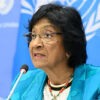
PRETORIA, South Africa, October 12 (IPS) - The awarding of the 2026 Nobel Peace Prize to distinguished South African jurist and international judge Navanethem “Navi” Pillay is about more than just the recognition of an exceptional individual in the global fight for justice.
How Nepal is Learning To Cope With the Psychological Toll of Its Missing
- Inter Press Service
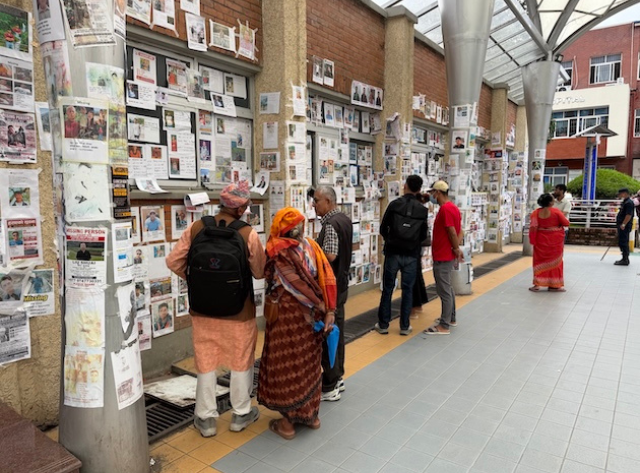
KATHMANDU, October 12 (IPS) - Nearly three decades ago, in the final stretch of Nepal’s civil war, Dr Brandon Kohrt sat with parents whose sons had been conscripted as child soldiers and never returned.
Powered by