News headlines for “Women’s Rights”, page 2
Smartphone Ban Robs Afghan Female Journalists of a Vital Working Tool
- Inter Press Service

KABUL, October 8 (IPS) - It has become difficult for Afghan journalists to obtain information from the authorities, who are permitted to use smartphones only with special authorization. This ban particularly affects women, for whom face-to-face interviews are not an option.
‘Age must never diminish rights,’ UN independent expert warns
- UN News

Older women around the world face violence, exploitation and neglect, yet remain largely invisible in the laws, policies, data and services designed to protect women overall, a UN independent human rights expert said on Thursday.
Dementia: A Rapidly Rising Global Challenge
- Inter Press Service

PORTLAND, USA, October 6 (IPS) - Dementia is a rapidly growing global health challenge that affects many millions of people worldwide and places significant economic, healthcare, and social strains on societies, particularly as populations age.
ICC unseals four arrest warrants over Taliban persecution of women and girls
- UN News
The International Criminal Court (ICC) has made public four arrest warrants against senior Taliban figures, accusing them of persecuting women and girls in Afghanistan, which amounts to a crime against humanity.
Climate Change Is Becoming a Pregnancy Hazard Worldwide, Survey Finds
- Inter Press Service
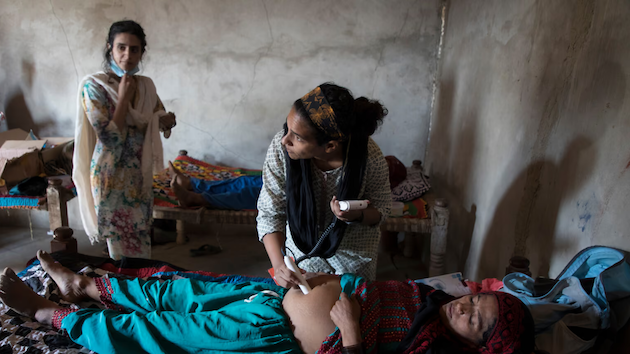
SUVA, Fiji & SRINAGAR, India, October 5 (IPS) - Extreme heat is increasingly threatening pregnant women and newborn babies around the world, with almost all maternal health professionals surveyed across five continents saying they have cared for women or infants whose health was affected by high temperatures.
For Pakistan Rising Fistula Cases Make SDG 3 Goal Elusive
- Inter Press Service
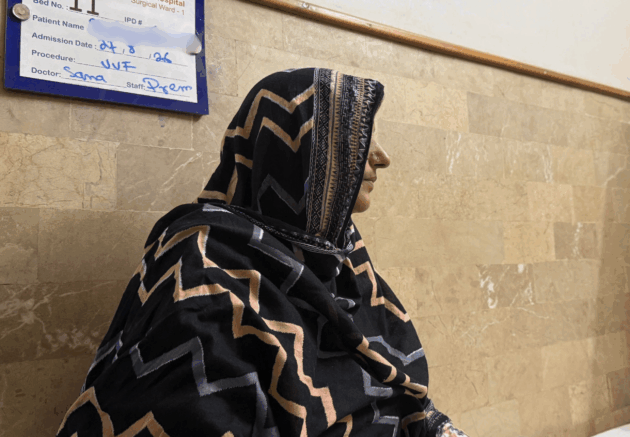
KARACHI, Pakistan, October 2 (IPS) - “You’re living a life drained of joy,” is how Shehnaz Sher Ali describes her “perpetually wet and stinky” existence. “I wouldn’t wish it on my worst enemy,” says the 35-year-old, who travelled by bus for more than 12 hours with her husband from their village in Rahim Yar Khan, Punjab, changing diapers whenever possible to keep the smell from reaching the fellow passengers.
SUDAN: ‘It’s Shocking to Be Forced into Silence Simply Because You Are a Refugee’
- Inter Press Service

CIVICUS discusses life as a refugee with an exiled Sudanese civil society activist who has asked to remain anonymous for security reasons.
Caring for Carers: Addressing Workplace Violence Against Nurses in Malaysia
- Inter Press Service

KUALA LUMPUR, October 1 (IPS) - Nurses are often called the backbone of the health system. We praise their compassion, commitment and resilience. On Nurses’ Day we thank them. During emergencies and crises, we call them heroes. But there is a harder question Malaysia, like most countries around the world, needs to ask more seriously: what happens when the people who care for everyone else are not safe, supported or respected at work?
Afghanistan’s Drought Deepens, and Women Bear the Heaviest Burden
- Inter Press Service
KABUL, October 1 (IPS) - Drought has depleted wells, withered fruit trees, and reduced crop yields across Afghanistan. The heaviest burden of the water shortage falls on women in their daily lives, as they must fetch water from increasingly distant sources and use every single drop with extreme care.
‘Women are not victims’: Türk calls for women to be at the heart of peace and security
- UN News
Women must be at the centre of efforts to prevent conflict and build lasting peace, UN High Commissioner for Human Rights Volker Türk said on Thursday.
Powered by