News headlines for “World Hunger and Poverty”, page 4
World Hunger Is Falling – We Know How To Keep It That Way
- Inter Press Service

ROME, July 27 (IPS) - Here is a fact that should interrupt the world’s drumbeat of bad news: Hunger fell again in 2025.
Hunger in Latin America Keeps Falling – Now Healthy Diets Must Become Affordable
- Inter Press Service

ROME, July 23 (IPS) - Hunger is falling across most of Latin America and the Caribbean. The region’s next challenge is harder: ensuring that everyone can afford a healthy diet, not merely enough calories to survive.
Food and Transport Costs through Strait of Hormuz Remain High, Burdening Vulnerable Economies
- Inter Press Service

UNITED NATIONS, July 23 (IPS) - Prior to the latest round of hostilities between the United States and Iran, freight traffic had been increasing in the Strait of Hormuz, and negotiations were underway for a new agreement to fully restore trade through this channel.
Global AI Governance Cannot Wait As the Digital Divide Widens
- Inter Press Service

UNITED NATIONS, July 20 (IPS) - Throughout July 2026, various United Nations (UN) bodies and global experts have underscored the need for increased comprehensive artificial intelligence (AI) governance. Although AI yields significant potential gains for global development, persistent structural barriers continue to impede equitable access and deepen the digital divide.
Renewed Hostilities in the Strait of Hormuz Threaten to Compound Global Supply Chain Costs
- Inter Press Service

UNITED NATIONS, July 17 (IPS) - A continuation of hostilities within the Strait of Hormuz is once again threatening one of the world’s most critical supply chain arteries, posing another wave of disruption which could choke the global energy, shipping and commodity markets. With roughly a quarter of global seaborne oil trade transiting through the Strait, alongside significant flows of liquefied natural gas and fertilizers, further constraints on commercial traffic could send new cost pressures cascading through supply chains that have yet to absorb the full effects of the earlier conflict.
Full Effects of Strait of Hormuz Disruption May Not Be Felt Until Second Half of 2026
- Inter Press Service

UNITED NATIONS, July 16 (IPS) - The full economic impact of the disruptions in the Strait of Hormuz may not become clear until the second half of 2026, warns the United Nations Conference on Trade and Development (UNCTAD).
Arab Regions Remain the Most Underrepresented in the Global Trade System
- Inter Press Service
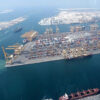
UNITED NATIONS, July 14 (IPS) - Despite the importance of international trade as an engine for economic growth and development, only fourteen of the twenty-two Arab states are members of the World Trade Organization (WTO). The remaining Arab states risk missing out on opportunities for greater integration into the global economy and the multilateral trading system facilitated by the WTO.
Why Pastoral Production Requires Regional Coordination, Harmonised Policy
- Inter Press Service

NAIROBI, July 10 (IPS) - At the 64th sessions of the Subsidiary Bodies (SB64) under the UNFCCC in Bonn, Germany, the Local Communities and Indigenous Peoples Platform (LCIPP) underscored the importance of ethically and equitably incorporating indigenous values and knowledge and local knowledge systems such as pastoralism into climate policies and actions ahead of the 31st Conference of Parties on climate change (COP31).
Invasive Prickly Pear Turned into Food, Clean Energy Source
- Inter Press Service
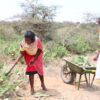
NAIROBI, July 9 (IPS) - An international academic partnership is helping turn one of Laikipia County’s most destructive and invasive plants, the prickly pear cactus (Opuntia stricta), into a source of food security and clean energy while also helping end perennial resource conflict in the region.
Feeding Africa: Women Farmers Key to Ending Hunger
- Inter Press Service
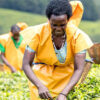
UNITED NATIONS, July 9 (IPS) - As FAO coordinates the implementation of the International Year of the Woman Farmer 2026, gender team leader Tacko Ndiaye discusses why investing in Africa’s women farmers is essential for food security, economic growth and creating more resilient agrifood systems
Powered by