News headlines for “Global Financial Crisis”, page 2
What Isn’t Named Isn’t Protected and being Named Isn’t Enough
- Inter Press Service
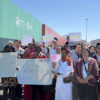
ULAANBAATAR, Mongolia, September 23 (IPS) - Rightsholders came to Ulaanbaatar from across the world, carrying declarations, demands and years of experience defending the lands on which their communities depend. Indigenous Peoples, local communities, Afro-descendant Peoples, women and youth were equally clear about what they needed from COP17. But being in the room is not the same as having power in the room.
Guterres calls on countries to set clear timelines for transition away from fossil fuels
- UN News
“We are the first generation with the tools to end the fossil fuel age – and the last who can avert climate catastrophe,” UN Secretary-General António Guterres said on Wednesday, calling on countries to draw up credible roadmaps with clear timelines to transition away from fossil fuels.
LIVE: Climate change is here - What happens next is still in our hands
- UN News

🔴 LIVE NOW From deadly floods in the Himalayas to wildfires and extreme heat across Europe, 2026 has brought a succession of stark reminders of a changing climate. The task is immediate: Protect people from the impacts already unfolding while rapidly cutting the emissions of harmful gasses driving climate change. World leaders are meeting today to discuss how to turn those priorities into action.
Africa Has the Technology to Achieve Food Security—Now It Needs Coordinated Deployment
- Inter Press Service
KIGALI, Rwanda, September 22 (IPS) - Africa is emerging as the world’s fastest-growing technology market, with its innovation ecosystem attracting increasing global investment. The European Investment Bank’s recent €40 million commitment to the sector underscores this growing confidence.
Family Law Reforms Are Needed to Advance Gender Equality
- Inter Press Service
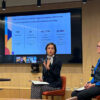
UNITED NATIONS, September 22 (IPS) - On September 16, at the lead-up to the 81st UN General Assembly, Equality in Family Law (GCEFL), Equality Now, TrustLaw, and the World Bank Group convened in New York City for the event titled The Gender Equality Dividend: Investing in Women’s Economic Prosperity Through Family Law Reform. Hosted by APCO, the event introduced new data on barriers to family law reform and highlighted strategies to help the international community maximize women’s economic participation.
United Nations Least Developed Country Category – Curse or Boon?
- Inter Press Service
SYDNEY, September 21 (IPS) - The UN General Assembly will soon vote – most likely favourably – on Bangladesh’s request to postpone the country’s graduation from the UN’s Least Developed Country (LDC) category, currently scheduled for November this year. The request for a 3-year extension was endorsed by the ECOSOC following the recommendation of the UN’s Committee for Development Policy (CDP).
The Connection Between Urbanization and Poverty: How Cities Can Reduce Poverty – Or Deepen It
- Inter Press Service
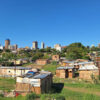
UNITED NATIONS, September 18 (IPS) - Urbanization can help concentrate jobs, services, and investments; however, it can also concentrate unaffordable housing, insecure employment, and unequal exposure to contamination and environmental threats. A recent report from the UN Special Rapporteur on extreme poverty and human rights, argues that the difference is not urbanization itself, but how cities are planned, governed, and financed.
Outpacing Foreign Aid, Migrant Remittances Are a Lifeline Ensuring Families Are Fed and Healthy, Says IFAD
- Inter Press Service
BULAWAYO, Zimbabwe, September 18 (IPS) - Migrants now send home more money than foreign aid, and this is pulling rural families out of poverty, according to the International Fund for Agricultural Development (IFAD).
WHO Launches New Global Health Strategy for Childhood Cancer Medications
- Inter Press Service
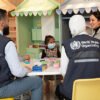
UNITED NATIONS, September 18 (IPS) - When a child is diagnosed with cancer, their chances of survival should not depend on where they live, yet according to the WHO, more than 80 percent of children with cancer in high-income countries are cured, compared with fewer than 30 percent in many low- and middle-income countries (LMICs).
The Cost of Excluding Refugees
- Inter Press Service

NAIROBI, Kenya, September 18 (IPS) - For the young women I met through Global Give Back Circle’s HER Lab in Kenya, displacement was not the end of ambition. It had interrupted school, separated families from stability, and narrowed the choices available to them. But it had not erased their hopes. What they wanted was not pity. They wanted skills, work, confidence and the chance to rebuild their lives with dignity.
Powered by