

Welcome to the ‘agrihood’ – the neighbourhood of the future?
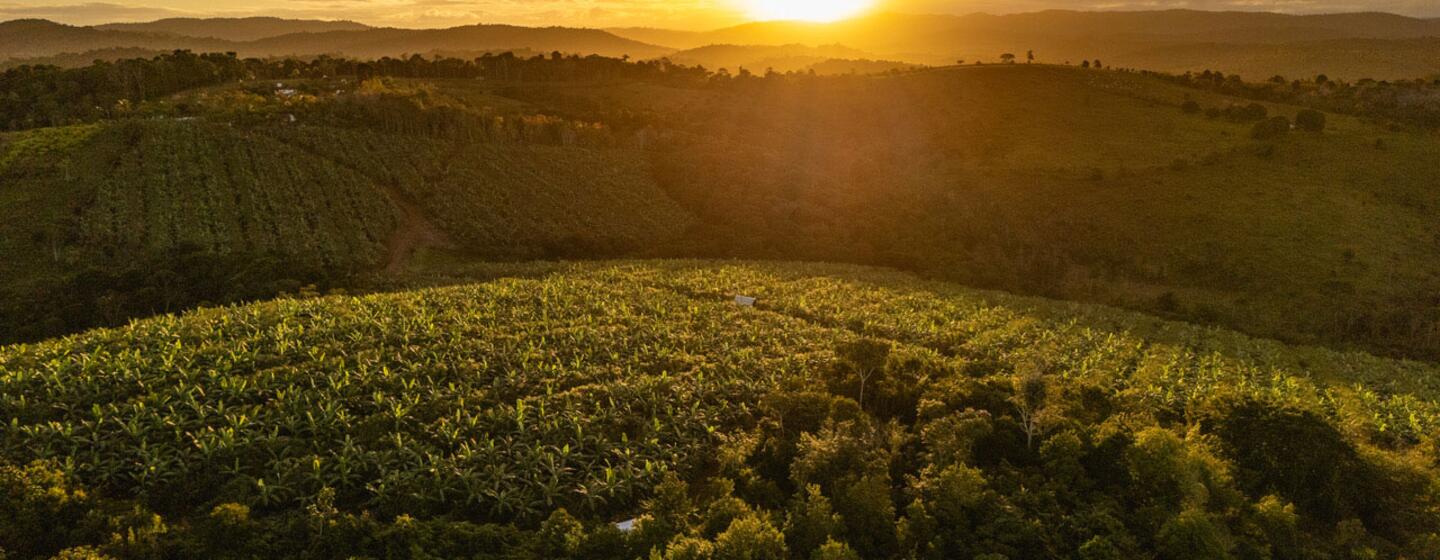
Towns and cities are home to more than half of the world’s population and responsible for around 70 per cent of the greenhouse gas emissions driving the climate crisis, which is why urban planners in Brazil are leading a design revolution that could point the way to creating built-up areas with a dramatically smaller carbon footprint.
It’s somewhat of an understatement to say that the way that cities have traditionally grown has not been a positive experience for the planet. Poor (or non-existent) planning has led to a litany of ills, such as flooding, heat islands – when built up areas become much hotter than rural areas – and water scarcity.
At the same time, cities have become detached from food and nature. The growing distance between urban life and farmland fuels deforestation, emissions, and a loss of ecological awareness.
But Marcia Mikai and her colleagues think they have an answer to unsustainable urban sprawl. They call it the agrihood.
Her company, Pentagrama Projetos em Sustentabilidade e Regeneração, is reimagining how cities grow, so that they actually power the restoration of ecosystems, build climate resilience and develop healthy communities.
The urban planners, designers and architects at Pentagrama are putting their ideas into practice in a number of Brazilian cities, notably São Paolo, whose expanding metropolitan area of 22 million people is encroaching on farmland and forest, erasing the boundaries between urban and rural zones.
Green and profitable
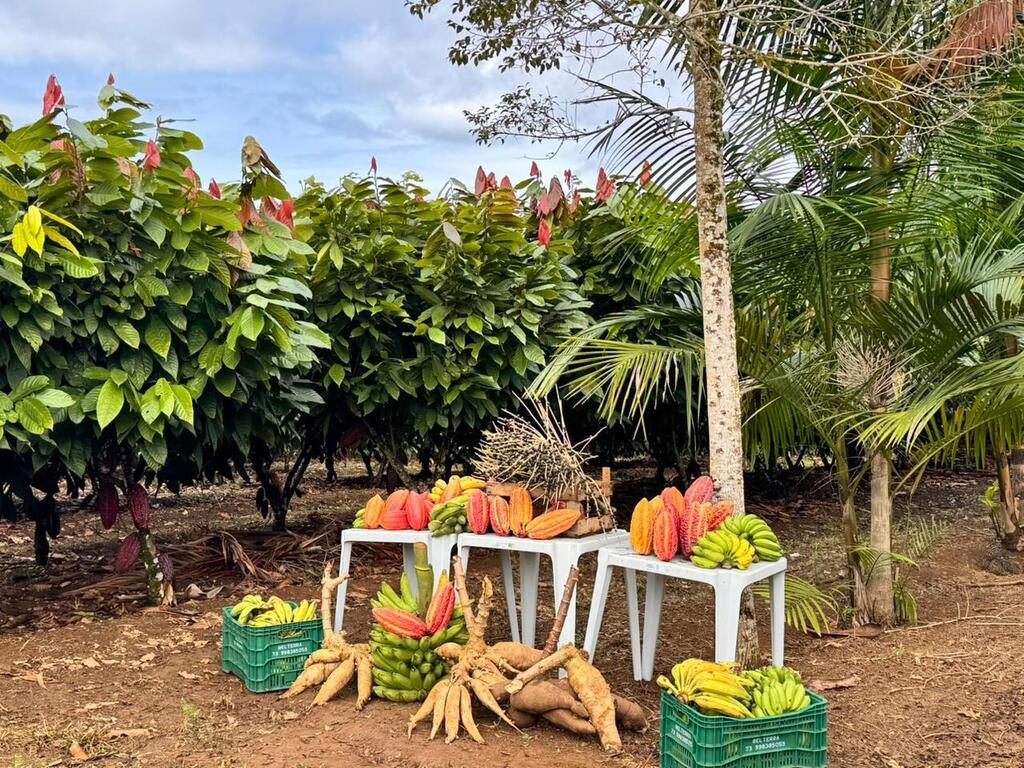
“I've been studying the financial models for agroforestry systems for decades”, she explains. “One thing that I discovered in my research is that the agrihood could be very profitable.
“A lot of people are very worried about food security; they want a place to live that has good quality common areas and a sense of community. When I show images of what these neighbourhoods could look like, they are enchanted.”
Ms. Mikai’s model is designed to stop the unregulated spread by bringing degraded land – often abandoned after being used for unsustainable practices, such as intensive cattle grazing – back to life.
In this version of the agrihood (a term originally used to market residential developments in the US), the land is regenerated to combine sustainable forestry practices with mixed-use buildings and spaces for environmental education.
Working with nature
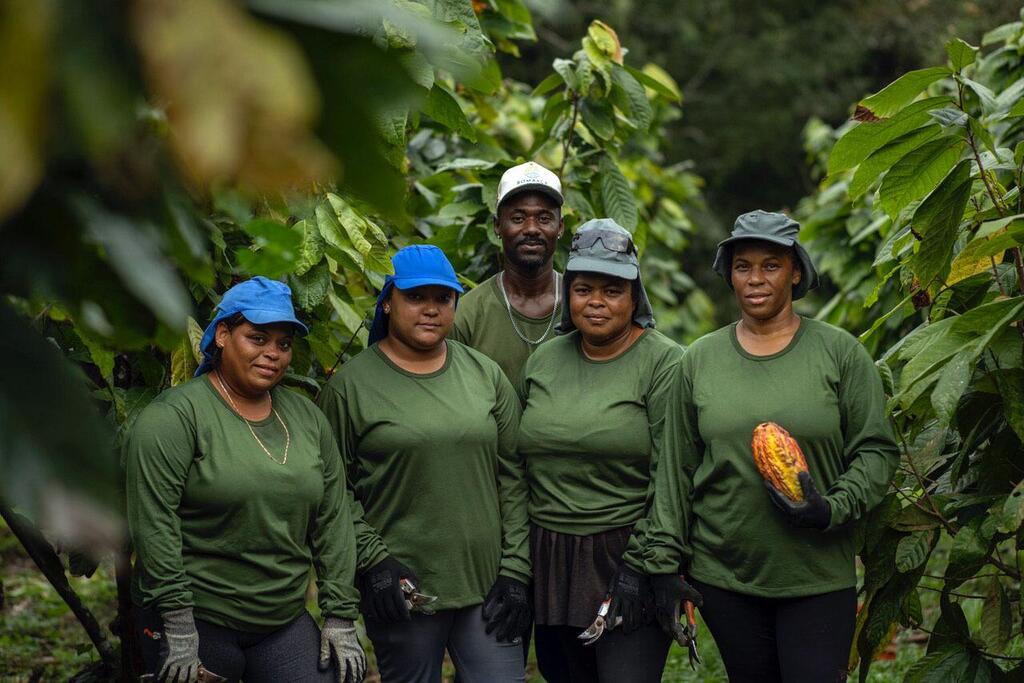
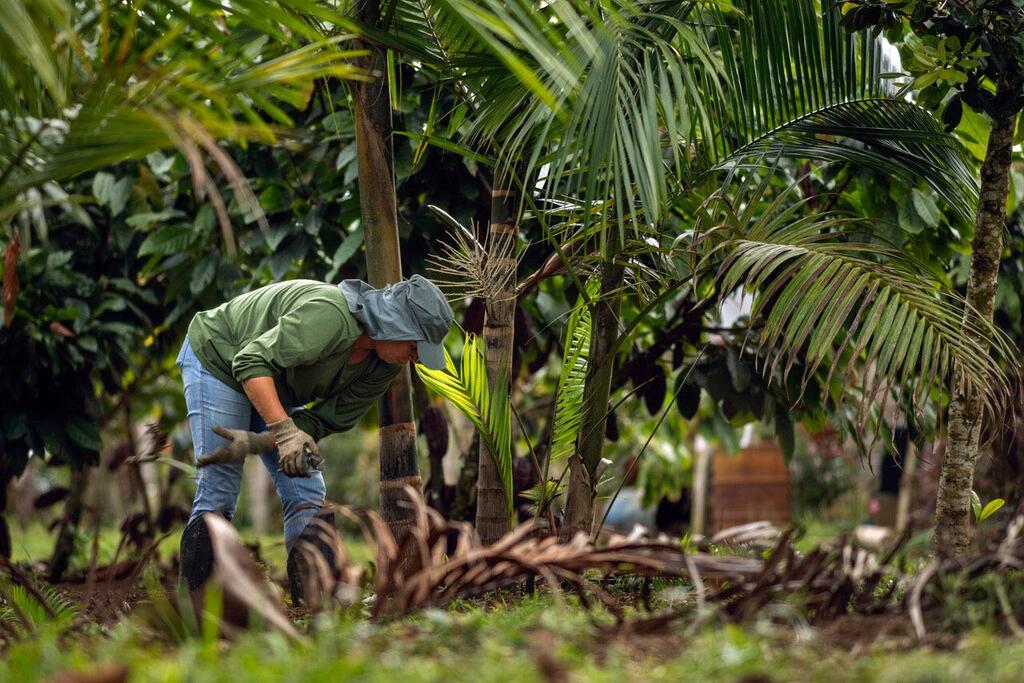
These new-look zones work in tandem with nature, so that they almost become part of the natural environment. Native and edible plants and trees are replanted, helping to cool cities and reduce flood risk by slowing surface runoff – while also replenishing aquifers.
Endangered species pushed out of cities find refuge, shared green spaces reconnect residents with their food and community and the biodiverse environment actively sucks carbon from the atmosphere, turning urban growth into climate action.
“Agrihoods have so many advantages,” says Ms. Mikai. “They save water, protect biodiversity and allow people to eat locally produced food. We see them as places where the young, the old, rich and low-income people all live together and integrate.
“Maybe I’m a romantic, but I think that this can become our reality.”
‘The iceberg below the water’
The Brazilian agrihoods which are also being piloted in Brasilia and Curitiba, are proving the point made by the UN – investing in “nature-positive” brings healthy environmental and economic returns.
Earlier this month, the UN Environment Programme (UNEP) released their latest State of Finance for Naturereport, which finds that the amount of money flowing into investments that harm the planet – such as utilities, fossil fuel energy and construction – is 30 times greater than that spent on nature-positive solutions such as agrihoods.
Ivo Mulder, who heads the climate finance unit at UNEP, says that the exploitation of natural resources must be curbed because “the iceberg below the water is that, whilst this nature-negative finance is driving our economies, it will eventually drive our economies into the ground.”
Don’t fence me in
As well as arguing for policy reforms in the report, Mr. Mulder thinks that the way we think about nature also has to change.
“People often talk about nature in terms of pristine environments such as fenced-off national parks. But we need to think more about embedding nature into our day-to-day lives, adapting our cities to be able to cope with extreme weather so that, when there’s heavy rain, our streets and homes don’t get flooded.”
This mindset, says Mr. Mulder, should not only extend to leaders in the real estate sector, tourism and manufacturing, but also the general population.
“In this time of geopolitical uncertainty, people have a relatively pessimistic view of the world, but they need to imagine a positive alternative. For example, what would New York look like if it incorporated more nature-based solutions?
“It could have more green areas, you wouldn’t need to use as much air conditioning in summer and this could lead to more productivity and a thriving economy.”
Ecosystem Restoration
- The agrihood projects of Pentagrama Projetos em Sustentabilidade e Regeneração are supported by UNEP’s BioCidades Empreendedoras, an incubation programme designed to support 50 early-stage entrepreneurs working on urban climate resilience solutions in São Paulo and Curitiba.
- BioCidades Empreendedoras is supported by UNEP, Bridge for Billions and Instituto Legado (organisations supporting social entrepreneurship).
- The project is inspired by the UN Decade on Ecosystem Restoration, a chance to shift away from policies that plunder the planet and revive the natural world
© UN News (2026) — All Rights Reserved. Original source: UN News