

Maritime trade stagnates amid geopolitical uncertainty
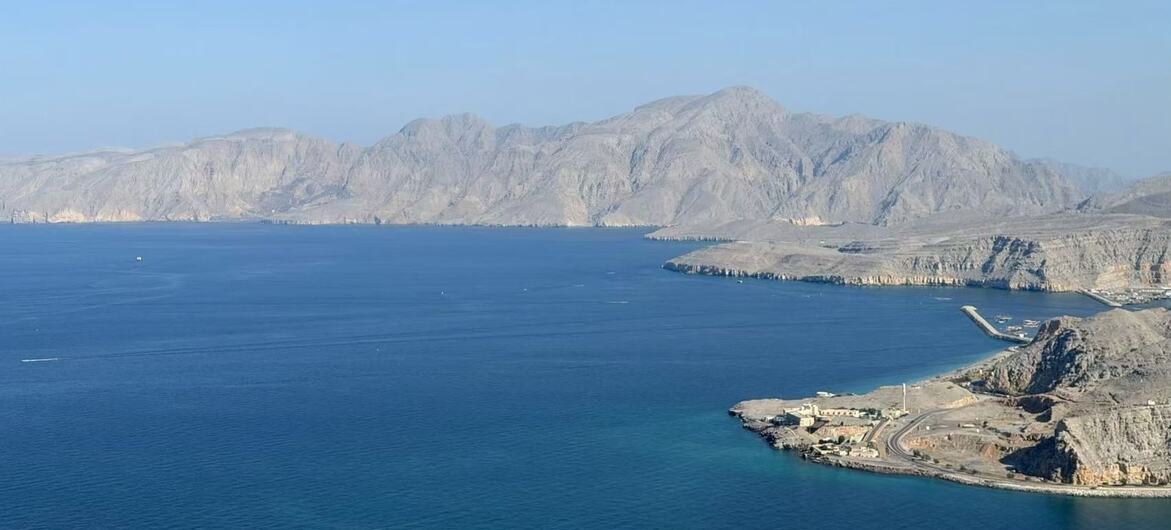
Seaborne trade that underpins the global economy continues to slow, while disruption from conflict and climate-related factors is hitting least-developed economies and small island nations hardest, UN economists said on Thursday.
In an update on worldwide maritime commerce, UN Trade and Development (UNCTAD) said that overall volumes transported on water reached 12.3 billion tonnes in 2025, but growth slowed to 1.9 per cent, which is half the pace of 2024.
This year, with no less than four critical maritime chokepoints under pressure at the same time – the Strait of Hormuz, the Red Sea, the Black Sea and the Panama Canal – the agency projects no growthfor 2026, followed by a recovery of 3.2 per cent in 2027.
Hormuz impact
“When shipping costs rise, consumers ultimately pay the price: but not everybody pays it equally,” said UNCTAD Acting Secretary-General, Pedro Manuel Moreno.
Highlighting how attacks on shipping linked to the Iran-US war created a near-standstill in the flow of oil and gas from the Strait of Hormuz, Mr. Moreno noted that economies with little capacity to absorb shocks had suffered most from costlier fuel and greater transport and production costs, which had pushed up food prices and inflation.
“Small island economies and least developed countries are particularly exposed,” he stressed, as the imports they rely on often require multiple shipping connections. “Every additional mile means more fuel, more time, and more cost.”
According to UNCTAD, war risk premiums for a $100 million tanker reportedly jumped within days of disruption in Hormuz from about $200,000 to $1 million per voyage. Container lines added emergency war risk charges and fuel surcharges to cover their higher operating costs.
Sea breeze
More than 80 per cent of the goods the world trades travel by sea, including the food and fuel that countries rely on. Rerouting ships keeps goods moving, but lengthens journeys and raises costs, especially for smaller economies.
UNCTAD data underscores this trend, with trade volumes expected to see no growth this year whereas miles travelled are projected to increase by 1.5 per cent.
According to the agency’s authoritative annual shipping report, if the current “fuel shock” continues into 2027, higher shipping costs alone could fuel consumer price hikes in least developed countries to almost twice the global average. “Disruption in one critical maritime corridor can quickly become a cost-of-living crisis thousands of miles away,” Mr. Moreno explained. “This is how disruptions to maritime transport translate into higher costs of living and widen inequalities between economies.”
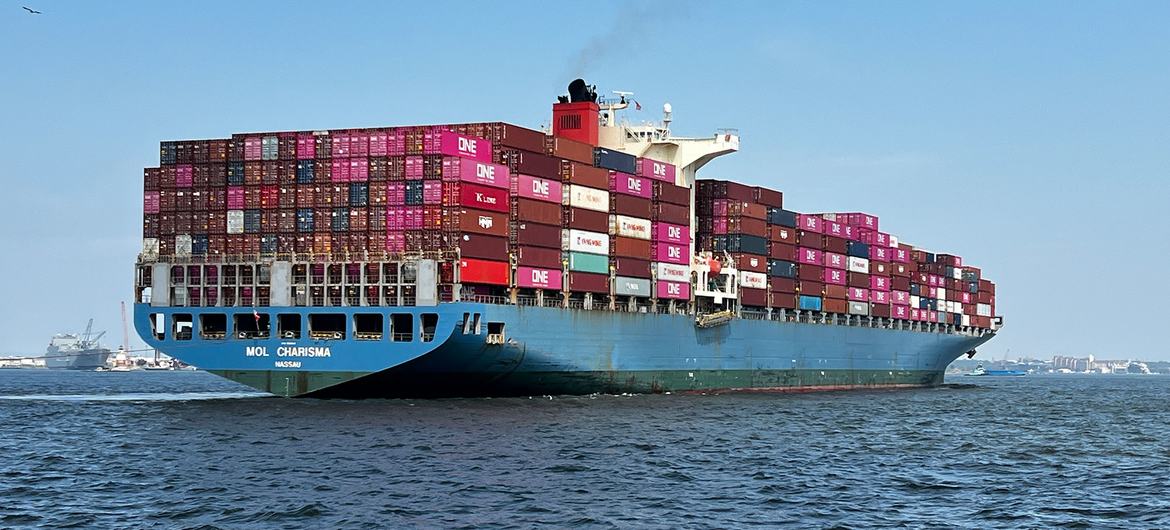
Surging South
In more positive developments, so-called “South-South” container routes that link markets, manufacturing centres and ports across Asia, Africa, the Middle East and Latin America grew by 12.1 per cent last year, accounting for nearly one-third of growth in containerized trade.
In addition, over the past two decades, Least Developed Countries – most of them in Africa – have improved their shipping connectivity three times faster than the rest of the world, the UNCTAD report finds.
“These gains matter, but they do not remove the underlying vulnerabilities,” Mr. Moreno said, reiterating the fragility of the world’s main maritime chokepoints.
They offer the shortest and most efficient routes between two seas “and in some cases, the only route…but they are also among the hardest to replace”, he stressed, highlighting the high additional cost of having to redirect ships around southern Africa to avoid security risks in the Red Sea (since late 2023) and the Persian Gulf.
To help vulnerable countries withstand ongoing and future disruption to shipping, UNCTAD’s Review of Maritime Transport urges shared stocks of food staples and fuel, along with pre-agreed alternative trade routes and customs procedures to keep essential goods moving.
© UN News (2026) — All Rights Reserved. Original source: UN News