

East Africa Food Crisis 2011
Author and Page information
- This page: https://www.globalissues.org/article/796/east-africa-food-crisis.
- To print all information (e.g. expanded side notes, shows alternative links), use the print version:
On this page:
Introduction
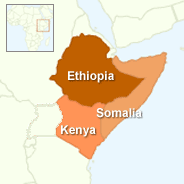 Into mid-2011, the world’s worst food crisis is being felt in East Africa, in Ethiopia, Somalia and Kenya.
Despite successive failed rains, the crisis has been criticized as avoidable and man-made. This is because the situation had been predicted many months before by an international early warning system. Both the international community and governments in the region have been accused of doing very little in the lead up to this crisis. In addition, high food prices have forced food out of the reach of many people, while conflict in Somalia has exacerbated the situation.
As the international organization Oxfam describes: 12 million people are in dire need of food, clean water, and basic sanitation. Loss of life on a massive scale is a very real risk, and the crisis is set to worsen over the coming months, particularly for pastoralist communities.
Early warning systems had predicted this months earlier
As Inter Press Service (IPS) reported, despite the conflicts in the region,
The world had an opportunity to save thousands of lives that are being lost in parts of Somalia due to the famine, if only the donor community had paid attention to the early warning systems that predicted it eight months ago.
…
There has been a catastrophic breakdown of the world's collective responsibility to act. 3,500 people a day are fleeing Somalia and arriving in parts of Ethiopia and Kenya that are suffering one of the driest years in six decades. Food, water and emergency aid are desperately needed. By the time the U.N. calls it a famine it is already a signal of large scale loss of life,Oxfam said.
Knowing about these things in advance is significant in terms of lives, costs and preparedness. The US government agency USAID’s Famine Early Warning System Network had predicted the crisis in November 2010, noting that
food security outcomes are likely to worsen, particularly among the poorest households whose coping capacity is the most limited.
In areas at‐risk of worsening food security, households may require livelihood support to prevent asset loss, household food deficits, and negative coping. Potential interventions in pastoral areas include rehabilitation of water points (boreholes), increased veterinary services targeting the dry season grazing areas, commercial off‐take programs, and nutrition support programs targeting poorer households. In the cropping southwest marginal areas of Kenya, and in Rwanda and Burundi, the scale‐up of resource transfer programs may be required to minimize the food security impacts of the La Niña event [that was observed at the end of 2010].
Massive funding shortfall — assuming anyone cares
As international humanitarian and development organization Oxfam explained, many (often simple) preventative actions could have been taken, assuming funds were available earlier:
Whenever there is an indicator of such a disaster, we must not only sit and wait for the emergency response. We can conveniently invest the funds by putting irrigation systems in place, vaccinating people, especially children, against anticipated diseases, and creating proper infrastructure to be used in case there is need for food supply,said [Anna Ridout, Oxfam’s spokesperson]
But, as Oxfam notes in another article, donors and governments fail to deliver on East Africa aid effort:
The overall humanitarian requirements for the region this year, according to the UN appeals, are $1.87 billion. These are so far 45 percent funded, leaving a gap of over $1 billion still remaining: gaps of $332m and $296m for the Kenya and Somalia UN appeals respectively, and $398m for the government-run appeal in Ethiopia
In the last two weeks there have been new pledges of $205m, leaving a gap of $800m still remaining.
The UK has pledged an estimated $145m in the past two weeks - almost 15 percent of what is needed. The EU has pledged around $8m so far, with more expected in the coming days. Spain has pledged nearly $10m, Germany around $8.5m. France has so far not pledged any new money, and Denmark and Italy have said no significant new sums are available.
But it is not just the international community. Various actors in the region also face criticism and question. For example, as the above IPS article had also noted, the effects of the drought were made worse by the Al Shabaab militia group in Somalia, which had blocked donor agencies from operating within its territories in 2009 — now the famine zones. Admittedly, the extremist group recently lifted its ban, as IPS also noted.
Another example is the governments of the affected countries as well as the African Union. Ugandan journalist, Rosebell Kagumire, writing for Oxfam, noted that the African Union had complained about lack of funds because governments have not put enough money in. Although Kenya opened its borders for an influx of Somalian refugees, Kagumire criticized the response as lacking urgency and not being effective.
One of the worst crises in recent history
The crisis is one of the worst in recent history:
Compared to previous famines, the current situation in Somalia compares or exceeds those reported during recent years in Niger (2005), Ethiopia (2001), Sudan (1998) and Somalia (1992). However, this is the most severe food security crisis in Africa since the 1991/92 Somalia famine, according to the U.N. Between January and June this year, 300,000 people in Mogadishu were given food assistance by humanitarian agencies on a monthly basis. Approximately 100,000 malnourished children were treated through some 418 nutrition centres in south Somalia from January to May 2011.
…
The current crisis in Somalia is expected to have an increasingly devastating effect on other countries in the region. However, generally, the Horn of Africa has 11.5 million people in crisis, including the 3.7 million in Somalia.
Media coverage
Somewhat predictably, media coverage seems spotty. At times there are detailed reports, often responding to government and other large international agency pushes to address the crises. Other times, the coverage vanishes from mainstream headlines and prime time viewing almost as soon as reporting has started.
On the morning of Sunday, July 31, during a review of British Sunday newspapers by the BBC, commentators noted how only one paper had a front page story about this crisis while almost all of them had something about a second Royal wedding. (It wasn’t necessarily ignoring Africa, either, as the also important story about the US debt crisis also barely featured on any papers headlines!)
And of course, most of the reporting has followed after the crisis has happened.
It is also interesting to note how quickly the international community
mobilized against Libya with military and other actions, when far less people (in number) were affected.
More information
For more about the issues from other organizations, here are some starting points:
- Detailed information from UN’s Office for the Coordination of Humanitarian Affairs
- Coverage from UN’s refugee agency
- Coverage from UNICEF
- Coverage from Oxfam, including a report on key recommendations for local governments and the international community.
- News coverage from allAfrica.com
News stories from IPS
Below is a list of stories from Inter Press Service as they cover this event. Revisit this page frequently to see newer stories as the crisis unfolds:
Strengthen Africa’s Seed Systems El Niño Threat Becomes Reality Again
- Inter Press Service

KIGALI, September 3 (IPS) - As climate disasters frequent across the African continent, governments have been promoting climate-smart innovations, including the development of drought-resistant crops.
Consequences of Inaction: UN Security Council Pressed to Act Before Hunger Becomes Famine
- Inter Press Service
UNITED NATIONS, August 28 (IPS) - Across the board, UN officials and humanitarian organizations urged the Security Council to act before the consequences of food insecurity and famines hit, during a high-level open debate on Tuesday, August 25. More than 80 representatives took part in Tuesday’s conversation on conflict-related food insecurity under the theme “Food under fire: the Security Council’s role in mitigating global and local food crises”.
Security Council LIVE: Warnings of famine and collapse as South Sudan's peace deal frays
- UN News
Nearly eight million people in South Sudan – more than half the population – face crisis-level hunger, with famine risk now flagged in four counties, as the Security Council meets this morning in New York. A cholera outbreak has killed more than 1,700 people, and some aid workers are being killed and abducted even as they try to reach those most at risk. Follow live coverage below.
South Sudan: UN acts ahead of drought to protect thousands
- UN News
As drought risk intensifies in South Sudan’s Eastern Equatoria state, a new UN-backed plan aims to protect thousands of people before the worst impacts take hold.
Afghanistan in crisis: Drought, malnutrition and a worsening humanitarian situation
- UN News
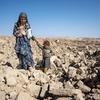
Imagine being one of a family of nine and sitting down to a meal of potato peelings and other scraps, boiled up into a soup. This is the harsh reality for many of Afghanistan’s most vulnerable families, forced on them by climate change and drought, widespread malnutrition and increasing restrictions on women, since the Taliban overran Kabul in 2021.
Health Emerges as a Strategic Frontline for Africa Ahead of Bonn Climate Conference
- Inter Press Service

Africa contributes the least to global greenhouse gas emissions, yet it faces some of the world’s most severe climate-related health impacts. Several realities define the continent’s climate and health landscape – increased infectious diseases, air pollution, death, disruption and pressure on health systems through heatwaves, floods, droughts and storms.
Extreme heat, floods and drought threaten lives across Latin America and Caribbean
- UN News
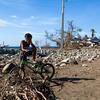
Record-breaking temperatures, deadly floods, worsening drought and intensifying hurricanes are placing millions of people across Latin America and the Caribbean at growing risk of hunger, displacement and water shortages, according to a new report from the World Meteorological Organization (WMO).
World News in Brief: Somalia drought response, Gaza and Ukraine aid updates, human rights abuses in Tunisia
- UN News
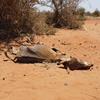
In Somalia’s Puntland region, dried out watering holes, animal carcasses and old pots filled with ash have become part of the landscape as worsening drought conditions deepen a growing hunger crisis.
‘No corner of Sudan is safe’: UN officials warn of famine and atrocities as war intensifies
- UN News
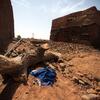
Nearly three years into Sudan’s war, violence is intensifying, famine conditions are looming in parts of the country, and civilians remain trapped between shifting front lines, senior UN political and humanitarian officials told the Security Council on Thursday, warning that the risk of further mass atrocities remains alarmingly high.
Floods, drought and insecurity drive acute hunger for 7.5 million in Pakistan
- UN News
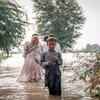
After a year that saw heavy monsoon floods, prolonged drought and dry spells, and a surge in violence, 7.5 million people in Pakistan face high levels of food insecurity and malnutrition according to a report from the global hunger monitor.
World News in Brief: Ending famine, refugee solidarity in Kenya, Ukraine civilian casualties update
- UN News
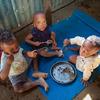
The head of the UN’s emergency food agency has urged world leaders on Monday to end “man-made famines” and conflicts that “drive hunger and desperation”.
Somalia: Funding cuts impact assistance to millions affected by drought
- UN News

Brutal slashes to aid budgets are hampering efforts to assist millions of people in Somalia affected by drought, the UN Office for the Coordination of Humanitarian Affairs (OCHA) said on Monday.
Gaza famine pushed back, but millions still face hunger and malnutrition, UN says
- UN News
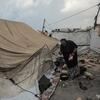
Food security in Gaza has improved since the ceasefire declared in October, pushing back famine conditions, but the situation remains critical with more than three-quarters of the population still facing acute hunger and malnutrition, a new UN-backed analysis has found.
Somalia declares drought emergency as millions face hunger after failed rains
- UN News
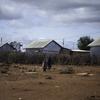
Somalia is facing a rapidly worsening drought emergency, with vast swaths of the country now parched after four failed rainy seasons, leaving millions at risk of hunger and displacement, UN humanitarians warned on Wednesday.
Rainwater Harvesting Mitigates Drought in Eastern Guatemala – VIDEO
- Inter Press Service

SAN LUIS JILOTEPEQUE, Guatemala, November 21 (IPS) - Plagued by drought, farming families living within the boundaries of the Dry Corridor in eastern Guatemala have resorted to rainwater harvesting, an effective technique that has allowed them to cope.
Famine tightens grip on Sudan, with civilians trapped and aid blocked
- UN News
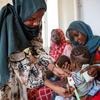
Sudan’s hunger crisis has deepened further, with new UN-backed analysis confirming that famine is underway in parts of Darfur and Kordofan, where fighting and sieges have cut off entire communities from food and aid.
AfDB Commits 11 Billion Dollars To Support Early Warning Systems, Food Security in Rural Africa
- Inter Press Service

ADDIS ABABA, September 16 (IPS) - As increasingly frequent droughts and devastating floods are affecting agricultural productivity, leaving millions of people food insecure in Africa amid a lack of climate finance, the African Development Bank (AfDB) has committed USD 11 billion to support various climate-resilient and infrastructure projects in rural areas.
Window to prevent famine spreading in Gaza is ‘closing fast’, UN warns
- UN News
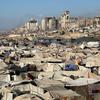
The narrow window to prevent the spread of famine from northern Gaza to other parts of the Strip is closing fast, the UN Emergency Relief Coordinator said on Sunday.
The descent into ‘a massive famine’ in Gaza has begun, relief agencies warn
- UN News
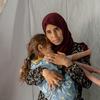
Amid reports of increased Israeli military operations across Gaza City on Friday, UN aid agencies repeated urgent warnings of ongoing famine and a likely rise in preventable disease, linked to the dire living conditions in the war-shattered enclave.
IPC Officially Declares Famine; More than Half a Million Starving in Gaza
- Inter Press Service

UNITED NATIONS, August 22 (IPS) - The Integrated Food Security Phase Classification (IPC) has officially declared that there is famine in Gaza. The world’s biggest food monitoring system raised its classification to Phase 5, the highest level on its food insecurity scale.
Famine in Gaza: ‘A failure of humanity itself’, says UN chief
- UN News
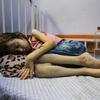
More than half a million people in Gaza are trapped in famine, marked by widespread starvation, destitution and preventable deaths, according to a new UN-backed food security report released on Friday.
Peacekeepers find weapons trove in southern Lebanon, as drought threatens millions
- UN News

UN peacekeepers in southern Lebanon have uncovered rocket launchers, mortar rounds and other unauthorized weapons, while the country grapples with a severe drought, threatening millions with life-threatening water shortages.
The Missing Link in Africa’s Climate Plans: Animal Health
- Inter Press Service

NAIROBI, Kenya / PARIS, France, August 5 (IPS) - One would expect that this year’s wetter than average rainy season in parts of Africa would be viewed with relief, not fear. Yet many areas in the region sits at a knife’s edge—still recovering from years of drought and a historic famine, too much rain leads to flooding and water-borne diseases. Both varieties of extreme weather place enormous stress on livestock systems across the region, on which communities rely for both sustenance and livelihoods.
IPC Alert Declares the Worst Famine Conditions in Gaza since October 2023
- Inter Press Service

NEW YORK, July 31 (IPS) - Amidst the ongoing conflict in Gaza, the risk of famine among rising need of consumption and nutrition have reached their worst levels since the start of the conflict. Without urgent analysis to latest report from the Food Security Classificat “IPC ALERT: Worst-case scenario of Famine unfolding in the Gaza Strip”.
Gaza Strip: Humanitarians warn of worsening famine conditions, attacks on civilians
- UN News
Famine conditions are tightening their grip on the Gaza Strip, as the latest UN humanitarian update warns of soaring malnutrition-related deaths, relentless civilian attacks, and mounting obstacles to aid access amid deepening crisis.
In Gaza, mounting evidence of famine and widespread starvation
- UN News
The people of Gaza are now in the grip of famine, UN-backed food security experts said on Tuesday, with unrelenting conflict, mass displacement and the near-total collapse of essential services pushing the war-battered enclave to a deadly tipping point.
Droughts are causing record devastation worldwide, UN-backed report reveals
- UN News
Worldwide, some of the most widespread and damaging drought events in recorded history have occurred in recent years due to climate change and resource depletion.
Multi-Year Drought Gives Birth to Extremist Violence, Girls Most Vulnerable
- Inter Press Service

SEVILLE & BHUBANESWAR, July 2 (IPS) - While droughts creep in stealthily, their impacts are often more devastating and far-reaching than any other disaster. Inter-community conflict, extremist violence, and violence and injustice against vulnerable girls and women happen at the intersection of climate-induced droughts and drought-impoverished communities.
The Risk of Famine Looms Throughout Multiple Sudanese Counties
- Inter Press Service

UNITED NATIONS, Jun 16 (IPS) - Over the course of 2025, the food security situation in Sudan has taken a considerable turn for the worst. Compounded by the Sudanese Civil War, millions of civilians face alarming levels of food insecurity and are at risk of experiencing famine. Humanitarian experts have described the situation in Sudan as being the worst hunger crisis in the world today.
Famine stalks two counties in South Sudan as fragile peace is threatened
- UN News
Two counties in the Upper Nile State of South Sudan are sliding into famine, the Food and Agriculture Organization (FAO) warned in a new report released Thursday.
Author and Page Information
- Created: