

Haitian gangs expand reach as police are accused of ‘summary executions’
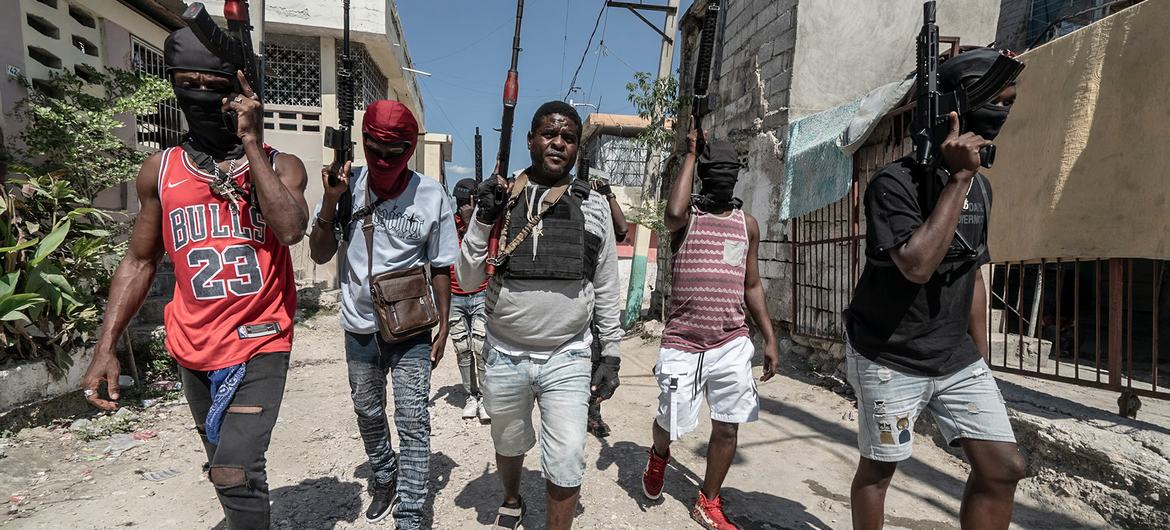
Deadly gangs in Haiti are expanding their reach to include control over key sea and road routes as police in the beleaguered Caribbean island nation are being accused of using “unnecessary and disproportionate lethal force and summary executions.”
At least 26 gangs operate in the Haitian capital Port-au-Prince and surrounding areas with “alarming levels of violence.”
Some 1.4 million people have been forced to flee their homes and thousands more have died.
A new UN human rights office report published on Tuesday in Geneva details the impacts of the expanding reach of gangs on Haitians’ human rights, amid persistent and deadly violence – more than 5,500 died as a result last year.
Gang expansion
During the same period, gangs have expanded their operations beyond the capital pushing into its outskirts and moving north into the Artibonite and Centre departments, the report states.
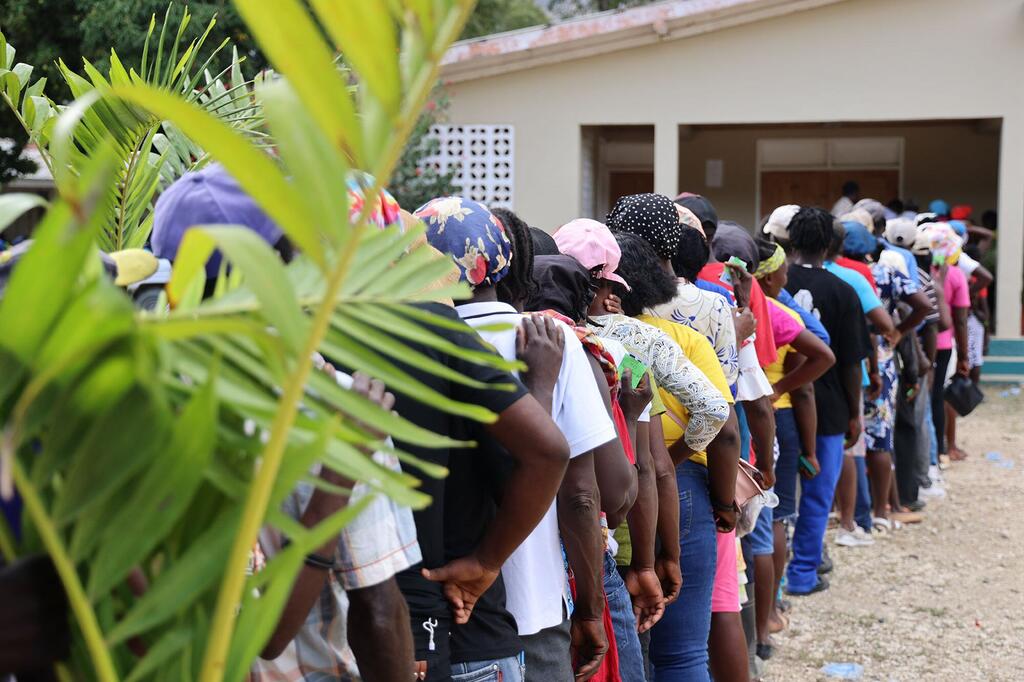
Gangs have been able to “fortify strategic corridors and maintain dominance over critical maritime and overland routes that sustain their financing and operational resilience.”
Meanwhile, they have continued to terrorise the population by killing and kidnapping people, trafficking children, stealing at illegal checkpoints, extorting money from businesses, and destroying and ransacking public and private properties.
Gangs targeted individuals perceived as cooperating with police or defying their authority. “Some victims were executed, their bodies often doused with gasoline and burned,” the report said.
Disproportionate use of force
The violence involves not just gangs, but also Haitian security forces, private security contractors, and self-defence groups.
Almost 250 instances of “actual or attempted summary executions of suspected gang members or individuals believed to support gangs,” have been identified in the report as being carried out by the police, using “unnecessary or disproportionate” force.
Concern has also been raised about security operations carried out by a private military company, reportedly contracted by the Haitian Government, which has used drone strikes and helicopter gunfire. There is some doubt about the legality of this approach.
“Some, or even most, of these drone strikes and helicopter operations could be described as targeted killings, given the apparent predetermined, intentional, and deliberate use of lethal force against individuals specifically identified in advance,” the report said, and “no investigation appears to have been opened by the judicial authorities to establish the legality of these operations.”
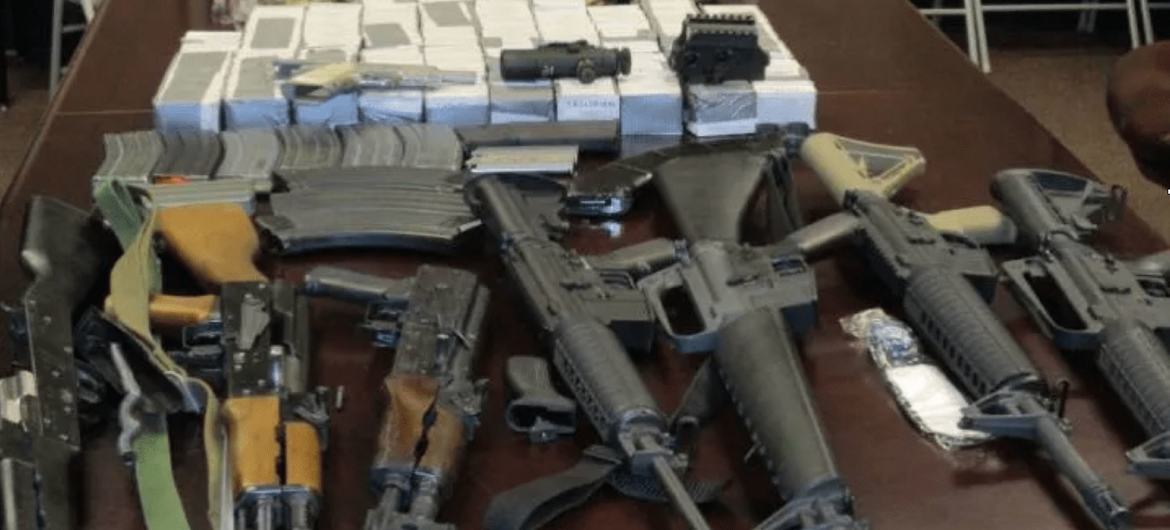
Self-defence groups and mobs armed with stones, machetes, and, increasingly, high-calibre firearms have engaged in so-called "popular justice," leading to people suspected of gang affiliation being lynched, sometimes “allegedly encouraged, supported, or facilitated by police elements.”
UN support
The UN has continually emphasized that restoring security is essential to the stabilisation of Haiti, but it is not enough on its own.
Without progress on governance, justice, accountability and social services, especially for young people, any security gains will be fragile.
Sustained international backing is critical to breaking the cycle of violence and instability and to support in a Haitian-led effort to restore security.
The UN-backed Gang Suppression Force (GSF) established in 2025 and which is mandated to have 5,000 personnel is expected to play a key supporting role.
Earlier in March, Daniela Kroslak was named as the head of the newly established United Nations Support Office in Haiti (UNSOH) which will provide logistical support to the GSF.
© UN News (2026) — All Rights Reserved. Original source: UN News