News headlines
Hungary’s Long Road Back
- Inter Press Service
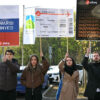
MONTEVIDEO, Uruguay, May 8 (IPS) - When Péter Magyar took the stage in Budapest on the night of 12 April, he told the crowd they had ‘liberated Hungary’. The hyperbole seemed justified. His party, Tisza, had won a parliamentary supermajority on the highest turnout since Hungary’s first free election in 1990, ending 16 years of increasingly autocratic rule.
Before the Flood, Jannat Carried Books. After the Flood, She Carried Dirty Dishes
- Inter Press Service
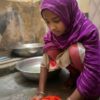
SYLHET, Bangladesh, May 8 (IPS) - When catastrophic floods swept through the Haor wetlands of Sunamganj in 2022, they destroyed far more than homes and crops. They shattered childhoods.
Gaza’s Deepening Health Crisis Leaves Hospitals Overwhelmed
- Inter Press Service
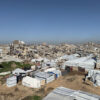
UNITED NATIONS, May 8 (IPS) - Despite the implementation of a ceasefire between Hamas and Israel last October, Israeli forces continue to launch airstrikes into the Occupied Palestinian Territory. This has resulted in extensive destruction of infrastructure, loss of human life and exacerbating immense health needs amid an increasingly strained health system in Gaza.
Nuclear ‘Close-Calls’ Prove Deterrence No Guarantee for Peace
- Inter Press Service
UNITED NATIONS, May 8 (IPS) - The consequences of nuclear warfare would transcend borders and the impact would be felt across generations. Yet knowing this, member states, including nuclear-armed states, are increasingly flouting the nuclear taboo, while also relying heavily on deterrence to prevent fallout.
Empowering Youth Is the Fastest Path to Transforming Least Developed Countries
- Inter Press Service

UNITED NATIONS, May 8 (IPS) - The future of the world’s least developed countries (LDCs) will be shaped by a critical choice they make today- strategic investment in their youth. Rich in human potential, the young people in LDCs embody ingenuity, resilience and ambition. With the right opportunities, they can transform challenges into opportunities and put their countries strongly on track to sustainable development.
The Mideast Conflict Spreads—Beyond the Strait of Hormuz & towards the UN Cafeteria
- Inter Press Service

UNITED NATIONS, May 8 (IPS) - The 10-month-old Middle East conflict—which has triggered a rise in the cost of living worldwide, and an increase in the prices of food, groceries and gasoline—is likely to impose burdens on hundreds of UN staffers, delegates, journalists and civil society representatives and thousands more, during the General Assembly sessions beginning September.
Lebanon war leaves families foraging for food despite ceasefire
- UN News

The fragile ceasefire in Lebanon hasn’t prevented “ongoing killing and displacement”, with villages in the south of the country rendered completely unrecognizable after Israeli strikes, aid teams reported on Friday.
Wider hantavirus outbreak risk is ‘absolutely low’, insists UN health agency
- UN News
The risk of hantavirus spreading to the general population is “absolutely low”, the UN World Health Organization (WHO) stressed on Friday, as a flight attendant tested negative for the disease after coming into contact with an infected passenger from the cruise ship at the centre of the outbreak, who later died.
‘Every Bird Counts:’ How city residents can help protect migratory birds
- UN News
Did you know that millions of birds may be migrating silently overhead right now as you read this – and you don’t even need to leave the house to see them?
Cleaning Up the Fields: Across Africa and Asia GEF is Helping Farmers Rewrite Their Pesticide Story
- Inter Press Service

LILONGWE & VIENTIANE, May 7 (IPS) - For decades, pesticides have been a quiet pillar of Malawi’s agriculture, guarding crops against pests, improving yields, and sustaining millions of livelihoods. But beneath this success story lay a troubling reality: weak regulation, unsafe handling practices, and growing threats to human health and the environment.
Powered by