

Food prices edged up in July amid heatwaves and energy price hikes
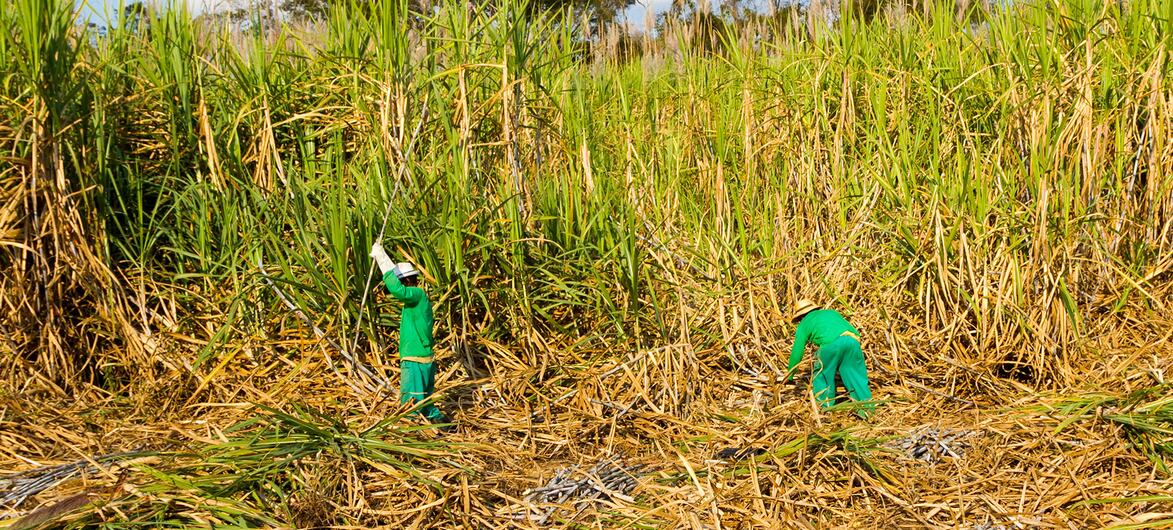
The cost of key foods edged up last month as searing heatwaves and ongoing geopolitical uncertainty impacted energy prices around the world.
According to new data published on Friday from the UN Food and Agriculture Organization (FAO), a basket of staple foods cost one per cent more in July than a year ago.
Why this matters
- Food inflation: Staple food prices remain above 2025 levels.
- Climate impacts: Heatwaves and El Niño continue to threaten harvests.
- Conflict costs: War and geopolitics drive market uncertainty.
- Hunger risks: Millions still hungry despite some better harvests.
Commodities registering standout price surges included sugar – up 5.6 per cent in July – owing mainly to “concerns about the potential impacts of persistent hot and dry weather on crop yields in the European Union and of El Niño-related weather conditions…in key producing countries in Asia”, the FAO Food Price Index update said.
Weathering pressure
Cereals increased by 3.4 per cent from June, reversing the declines seen earlier in the year, to settle 6.9 per cent above their July 2025 level.
And although rice prices held steady last month, global wheat prices increased 5.8 per cent, amid “continued disruptions” to Black Sea exports caused by the ongoing full-scale Russian invasion of Ukraine, coupled with the expected impact of recent heatwaves on crop yields in several countries.
World maize prices rose 3.6 per cent, fuelled by concerns over hot and dry weather in parts of the United States, along with “spillover effects from firmer energy markets amid heightened geopolitical tensions”, FAO said.
The vegetable oil price index reached its highest price since June 2022, increasing by a full two per cent, linked to demand from Indonesia’s biodiesel sector and higher crude oil prices.
And although soy oil became more expensive on the back of robust feedstock demand from the United States, global sunflower and rapeseed oil prices lowered.
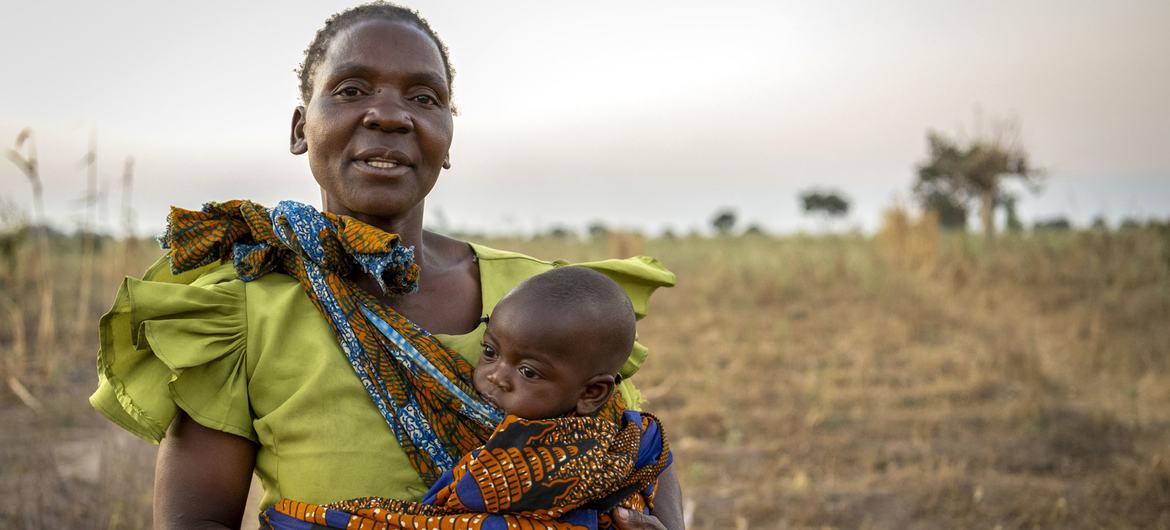
Malawi outlook
In related news, UN-backed food insecurity experts said that Malawi is seeing a “notable improvement” in hunger levels, compared with the last two years.
This is in large part because of a good harvest in the 2025/26 farming season following the severe El Niño impacts of 2024/25, the IPC update explained.
Nonetheless, an estimated 1.9 million people in the southern African nation are in the grip of “crisis” levels of acute food insecurity, classified as IPC Phase 3 (out of five).
The situation is expected to deteriorate, however, during the October 2026 to March 2027 lean season, pushing 2.6 million people into crisis or level 3 hunger.
“High food prices, inflation, and below‑average staple production are driving acute food insecurity, while forecasts of strong El Niño during the 2026/27 rainy season underscore the need for close monitoring,” IPC experts said.
© UN News (2026) — All Rights Reserved. Original source: UN News