

African Athletes Should be Free to be Themselves
DAKAR, October 30 (IPS) - Senegal is welcoming athletes and visitors from across the globe as part of the 4th Summer Youth Olympic Games, the first-ever Olympics in Africa. Lesbian, gay, bisexual and transgender (LGBT) African athletes, including from Senegal, have repeatedly participated in and won competitions–while advocating their rights to compete and speaking out against discrimination.
In 2024, Cindy Ngamba, an openly lesbian boxer born in Cameroon, made history at the Paris 2024 Olympics by winning the first medal for the Refugee Olympic Team.
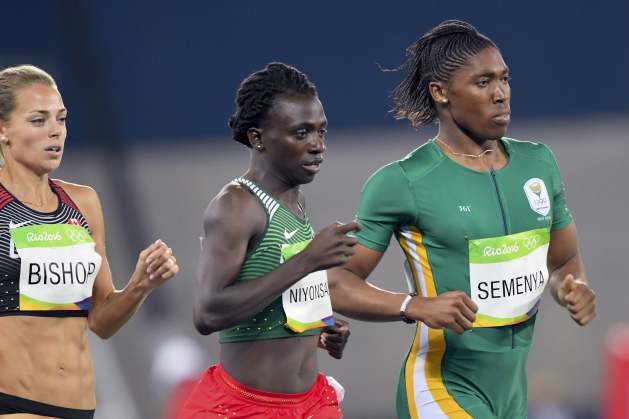
The legendary lesbian South African runner Caster Semenya successfully contested regulations aimed at policing women’s bodies by World Athletics, ultimately winning her case at the European Court of Human Rights in 2025. Along the way, she won a total of six medals across the Olympics and World Athletics Championships and debunked arbitrary definitions of femininity and racial stereotypes faced by African athletes.
In 2020, Phuti Lekoloane founded the African Pride Games, creating a safe platform for competition regardless of one’s identity and demonstrating that sport “can drive equality, inclusion, and unity.” After coming out publicly in July 2015, he was one of Africa’s first openly gay male footballers.
Senegal’s hosting of the Youth Olympics, however, shows the need to keep fighting for the rights of LGBT people in Africa.
In March 2026, Senegal’s parliament amended its penal code, doubling to 10 years the maximum prison term for consensual same-sex conduct and criminalizing “promotion” of, or support to, LGBT people and organizations. Between February and July, hundreds of people were arrested in connection with the amendment of the penal code, according to the African Forum for the Defense of Human Rights (Rencontre Africaine pour la Défense des Droits de l’Homme, or RADDHO. Senegalese government officials have frequently used incendiary rhetoric against LGBT people.
The climate of hatred and persecution created by the new law puts LGBT people, including athletes, staff, and fans at the Dakar Youth Olympics, at risk of human rights abuses.
Senegal’s then Prime Minister Ousmane Sonko said in April 2026 that, “any athlete coming solely to practice their sport is welcome and can freely pursue their activity. However, if someone comes for reasons other than sport, the [anti-LGBT] law of the country will apply to them, as it applies to everyone.”
The Senegalese government’s hostility to LGBT rights runs contrary to the Olympic Charter, which prohibits discrimination of any kind, including based on sexual orientation. Olympic hosts are required by their contract with the International Olympic Committee (IOC) to prevent, investigate, and remedy human rights abuses related to the Games, including by engaging with affected groups.
Senegalese authorities, through the Youth Olympic Games Organising Committee, have rolled out measures to promote human rights protections, which they described as a key indicator for the success of the competition. But these protections have so far excluded the rights of LGBT people.
Several athletes have already pushed back against Senegal’s draconian law. Jérémy Clamy-Edroux, an openly gay, former professional rugby player, and Brahim Naït-Balk, an openly gay football coach, were among 29 African leaders who signed a May 2026 letter calling for the Senegalese government to open renewed dialogue on the law.
In their letter, they raised concerns about abuses faced by LGBT people and asserted that Pan-Africanism, previously embraced by Senegal’s President Bassirou Diomaye Faye himself, should advance liberation for all Africans, regardless of their sexual orientation or gender identity.
The Dakar Youth Olympics ends November 13. Before then, Senegal’s government should repeal its anti-LGBT laws and free anyone still detained under the prior amendments. Senegal should use the Youth Olympics to protect LGBT people and fully embrace Olympic values.
Vincent Sima Olé is a senior program and sport and human rights coordinator and Larissa Kojoué is an LGBT rights researcher, both at Human Rights Watch.
© Inter Press Service (20261030153434) — All Rights Reserved. Original source: Inter Press Service