News headlines
Sudan: Blood on Foreign Powers’ Hands
- Inter Press Service
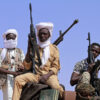
LONDON, September 21 (IPS) - Sudan’s civil war grinds on. It’s close to three and a half years since the Sudanese Armed Forces (SAF) and the Rapid Support Forces (RSF) militia began their battle for supremacy, and the two forces and their allies continue to slaughter civilians with impunity. As a recent UN report makes clear, the killing is enabled by numerous foreign powers that continue to supply weapons, personnel and logistical support. They have made a civil conflict their proxy war, and their self-interest is sustaining the killing.
US Visas for Ruthless Autocrats to Address UN – but not for Palestinian Leaders
- Inter Press Service
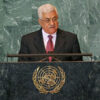
UNITED NATIONS, September 21 (IPS) - When Yasser Arafat was denied a US visa for his second visit to New York to address the United Nations back in 1988, the General Assembly defied the United States by temporarily moving the UN’s highest policy making body to Geneva – perhaps for the first time in UN history – providing a less-hostile political environment and a platform, for the leader of the Palestine Liberation Organization (PLO).
The right to development: Why equity, not charity, is a human right
- UN News
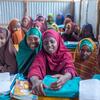
Compare two children born in the same year: one in a country with functioning schools, social services, fair elections and a dynamic economy and the other in a nation devastated by poverty, conflict, climate change or corruption.
The race to build a pandemic-proof world
- UN News
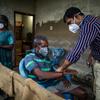
Six years after COVID-19 killed millions, battered health systems, disrupted lives and brought the global economy to a virtual standstill, the world is still grappling with how we can prepare better for the next pandemic.
Why the UN General Assembly still matters
- UN News
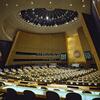
More than eight decades on, the UN General Assembly remains the place where the UN’s 193 Member States come together to debate the defining challenges of the day, from war and peace – to development, climate change and human rights.
The Connection Between Urbanization and Poverty: How Cities Can Reduce Poverty – Or Deepen It
- Inter Press Service
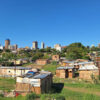
UNITED NATIONS, September 18 (IPS) - Urbanization can help concentrate jobs, services, and investments; however, it can also concentrate unaffordable housing, insecure employment, and unequal exposure to contamination and environmental threats. A recent report from the UN Special Rapporteur on extreme poverty and human rights, argues that the difference is not urbanization itself, but how cities are planned, governed, and financed.
Outpacing Foreign Aid, Migrant Remittances Are a Lifeline Ensuring Families Are Fed and Healthy, Says IFAD
- Inter Press Service
BULAWAYO, Zimbabwe, September 18 (IPS) - Migrants now send home more money than foreign aid, and this is pulling rural families out of poverty, according to the International Fund for Agricultural Development (IFAD).
WHO Launches New Global Health Strategy for Childhood Cancer Medications
- Inter Press Service
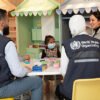
UNITED NATIONS, September 18 (IPS) - When a child is diagnosed with cancer, their chances of survival should not depend on where they live, yet according to the WHO, more than 80 percent of children with cancer in high-income countries are cured, compared with fewer than 30 percent in many low- and middle-income countries (LMICs).
UN Crime Congress: Technology is transforming crime – and the response to it
- UN News

Sitting in her Vienna office ahead of a pivotal UN gathering in Abu Dhabi, Monica Juma is focused on a simple reality: crime has evolved faster than many of the institutions designed to combat it.
Security Council LIVE: UN peacekeeping under pressure
- UN News
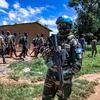
UN peacekeepers have increasingly been sent into places where there is no peace to keep – under resourced, outgunned and exposed to violence they are not equipped to counter. The Security Council meets this afternoon in New York to confront that problem, with Secretary-General António Guterres briefing ambassadors on how to close the gap.
Powered by