Eradicating Poverty – a Lofty Ideal or Achievable Goal?
ROME, Oct 16 (IPS) - The first Sustainable Development Goal calls for us to end poverty in all its forms everywhere by 2030. The goal and the deadline are ambitious - and they need to be. We do not have the luxury of time.
Poverty is so intertwined with hunger, migration, forced displacement, conflict and environmental degradation that prioritising its eradication is not only a moral and economic imperative, but essential to address the most pressing global issues of our time.
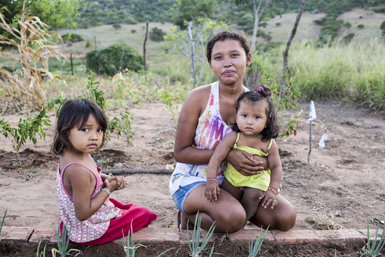
To eradicate poverty, we have to focus our attention on the rural areas of developing countries where three quarters of the world's poorest and hungriest people live.
The incomes of 2.5 billion people worldwide still depend directly on rural small farms, therefore developing smallholder agricultural production and market access is an essential starting point.
In terms of poverty, the plight of sub-Saharan Africa is particularly disturbing. Although, according to the World Bank, more than 1 billion people were able to escape extreme poverty globally between 1990 and 2012, in sub-Saharan Africa absolute poverty has actually increased since 1990 and an estimated 330 million people live below the poverty line.
Extractive natural resources account for three-quarters of sub-Saharan Africa's total exports but the resulting billions of dollars in revenue have had a limited impact on poverty reduction.
In some cases, the promotion of these industries has been to the detriment of investments in agriculture. Yet studies show that growth in agriculture is up to 11 times more effective in reducing poverty than growth in any other sector in sub-Saharan Africa.
The potential of agriculture to create prosperity for millions of people cannot be underestimated. In fact, agriculture is the single largest employer in the world, providing livelihoods for close to 40 per cent of today's workforce globally, and 60 per cent in Africa.
The untapped potential on the African continent is enormous. It has 25 per cent of the world's arable land and half the world's uncultivated land suitable for growing food crops.
The African population growth of 2.7 per cent annually means food demand will double every 30 years. Agriculture could lead African development, improve food security and job growth so that people can move out of poverty and will not need to leave rural areas in search of opportunities elsewhere.
But even with all this potential agriculture is, unfortunately, not the priority of many African leaders. In 2003, African governments pledged to allocate 10 per cent of national budgetary resources to agriculture and rural development within five years. Only 13 countries had met their targets by 2012.
Instead of developing its own agricultural sector, the continent spends US$35 billion on food imports annually – money that could be invested in creating domestic employment, particularly in rural areas.
One of the study's central findings is that targeted policies focused on transforming rural areas are essential to eliminate poverty.
These are policies that promote increased agricultural productivity and marketable surpluses, expanded off-farm employment opportunities and better access to services and infrastructure. These policy and investment choices have to be made. They do not happen on their own.
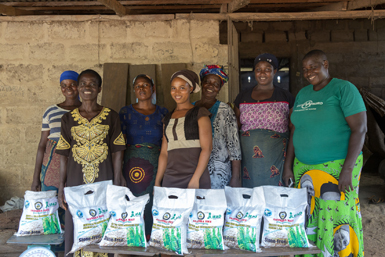
IFAD's experience over nearly four decades has shown that when rural people have reliable access to land and other natural resources, functioning infrastructure, technologies, finance and markets, then both their livelihoods and their communities flourish, contributing significantly to economic growth.
Once we see smallholder farmers as rural entrepreneurs and their farms as viable and profitable businesses, the importance of investing in agriculture to ensure those businesses thrive becomes evident.
The result: rural areas become vibrant centres of employment and prosperity and the estimated 600 million young people in developing countries who will be looking for jobs over the next decade will not need to migrate to urban areas or beyond their counties' borders to find opportunities elsewhere.
Of course, achieving poverty eradication is not just the responsibility of governments. It will require all actors – farmers, domestic investors along food value chains, research institutions, development agencies, educational institutions and others – to work together towards this common goal.
With visionary leadership, targeted investments and policies, and coordinated effort, poverty eradication is not just a lofty ideal. It is achievable - but we must recognise the urgency and act now.
© Inter Press Service (2016) — All Rights Reserved. Original source: Inter Press Service
Where next?
Browse related news topics:
- Trade, Economy, & Related Issues
- Causes of Poverty
- World Hunger and Poverty
- United Nations on Development Issues
- Third World Debt Undermines Development
- Free Trade and Globalization
- Geopolitics
- Conflicts in Africa
- Consumption and Consumerism
- Sustainable Development
- G8: Too Much Power?
- Food and Agriculture Issues
- Global Financial Crisis
Read the latest news stories:
- Overshoot of Paris Agreement and the Looming Super El Niño Drive Urgent Calls for Global Climate Action at UNGA 81 Tuesday, September 29, 2026
- India Still Needs to Address Harmful Dark Skin Stereotypes Monday, September 28, 2026
- Pension Peril Among Populations Monday, September 28, 2026
- Rohingya Camps: Children in Frontline of Food Rationing Crisis Monday, September 28, 2026
- The Takeaway Day 6: General Debate ends with a plea to turn words into action Monday, September 28, 2026
- UN leaders renew push to defeat racism, 25 years after Durban Monday, September 28, 2026
- DPR Korea tells UN its nuclear status is ‘irreversible’, rejects outside pressure Monday, September 28, 2026
- ‘Ballot must replace the bullets’, South Sudan tells General Assembly ahead of elections Monday, September 28, 2026
- Sudan tells UN: No imposed solutions to country’s conflict Monday, September 28, 2026
- From energy crisis to energy transition: How renewables are reshaping energy security Monday, September 28, 2026
Learn more about the related issues:
- Trade, Economy, & Related Issues
- Causes of Poverty
- World Hunger and Poverty
- United Nations on Development Issues
- Third World Debt Undermines Development
- Free Trade and Globalization
- Geopolitics
- Conflicts in Africa
- Consumption and Consumerism
- Sustainable Development
- G8: Too Much Power?
- Food and Agriculture Issues
- Global Financial Crisis
Share this
Bookmark or share this with others using some popular social bookmarking web sites:
 Bluesky