Thriving Rural Communities Is a Recipe for Healthy Cities
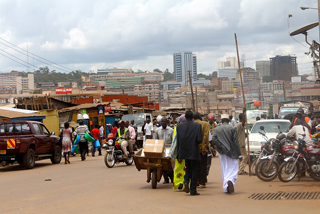
SANTO DOMINGO, Dominican Republic and LONDON, Nov 17 (IPS) - As the dust has settled on Habitat III and the summit in Quito, Ecuador, we now have a clear vision and a concrete road map for how to transform our cities into inclusive, safer and more productive environments. The New Urban Agenda comes at a propitious time. Urbanization is growing at a fast pace, particularly in developing countries, where the urban population is expected to double by 2050. In South Asia alone, the urban population grew by 130 million between 2001 and 2011, according to recent World Bank study. Another 250 million are expected to join them by 2030.
Rural communities are no longer isolated from the rest of the world. Young people all have smartphones with an Internet connection. They know that there are places that offer better services, better jobs and a better life than the one they can hope for back home.
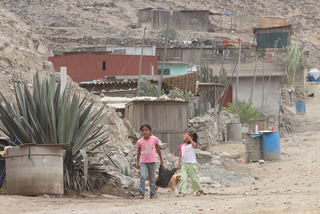
As young women and men leave rural areas in large numbers, they leave the very communities that they should be strengthening and shaping, abandoning their friends, families and culture. They migrate to larger cities in search of work and of a better future, but without formal education or skills, many are confined to the fringes of the society to which they aspire. The exodus of young people threatens the fabric of rural societies and exacerbates the problems the New Urban Agenda is designed to tackle: precarious and insalubrious housing, joblessness, insecurity and overpopulation.
There is another reason why thriving rural areas are essential to the prosperity of urban centers. Smallholder farmers and fisher folk are the primary producers of food in most of the developing world. In Asia, Africa and in the Caribbean, they produce up to 90 per cent of the food people eat every day. As urban populations grow, there will be a need to step up the quantity and the quality of food produced by rural communities. Fresh produce will need to get to the markets faster and in better conditions, and farmers will have to be paid fairer prices for their products to be able to make investments to improve production, safeguard the environment, and build resilience to a changing climate.
© Inter Press Service (2016) — All Rights Reserved. Original source: Inter Press Service
Where next?
Browse related news topics:
- Trade, Economy, & Related Issues
- Causes of Poverty
- Third World Debt Undermines Development
- Free Trade and Globalization
- Geopolitics
- Environmental Issues
- Climate Change and Global Warming
- Human Population
- Consumption and Consumerism
- Sustainable Development
- G8: Too Much Power?
- Food and Agriculture Issues
- Global Financial Crisis
Read the latest news stories:
- Lailuma Built Opportunities for Afghan Women – Then She Was Killed Friday, August 21, 2026
- New Emergency Care Skills Help Tanzania’s Frontline Doctors Save Lives Friday, August 21, 2026
- Cockroach Insult Unleashes Biggest Challenge yet to Modi’s Repressive Rule Friday, August 21, 2026
- UNAIDS Framework Pushes for the Protection and Integration of HIV Care Friday, August 21, 2026
- AI for Good: How the UN uses AI to advance human rights Friday, August 21, 2026
- New initiative launched to shield terrorism victims from online harm Friday, August 21, 2026
- Somalia: Humanitarian aid cuts leave millions of children vulnerable to hunger Friday, August 21, 2026
- DR Congo Ebola outbreak spreading exponentially, UN responders warn Friday, August 21, 2026
- World Humanitarian Day — Protect Aid Workers Against Drones Thursday, August 20, 2026
- How the Taliban Hunt Women in Afghanistan Thursday, August 20, 2026
Learn more about the related issues:
- Trade, Economy, & Related Issues
- Causes of Poverty
- Third World Debt Undermines Development
- Free Trade and Globalization
- Geopolitics
- Environmental Issues
- Climate Change and Global Warming
- Human Population
- Consumption and Consumerism
- Sustainable Development
- G8: Too Much Power?
- Food and Agriculture Issues
- Global Financial Crisis
Share this
Bookmark or share this with others using some popular social bookmarking web sites:
 Bluesky