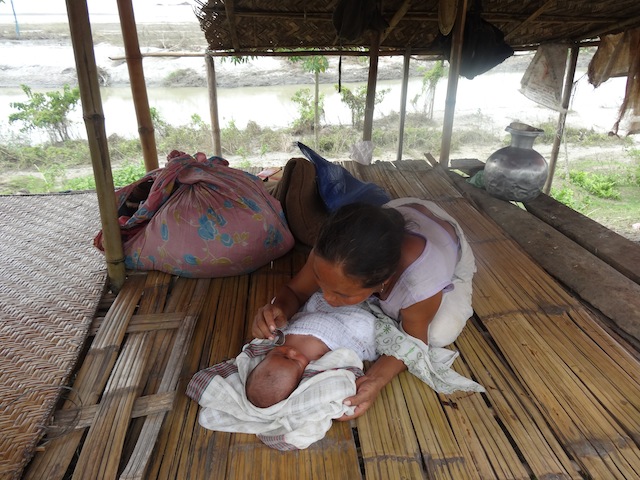
Floods Wash Away India’s MDG Progress
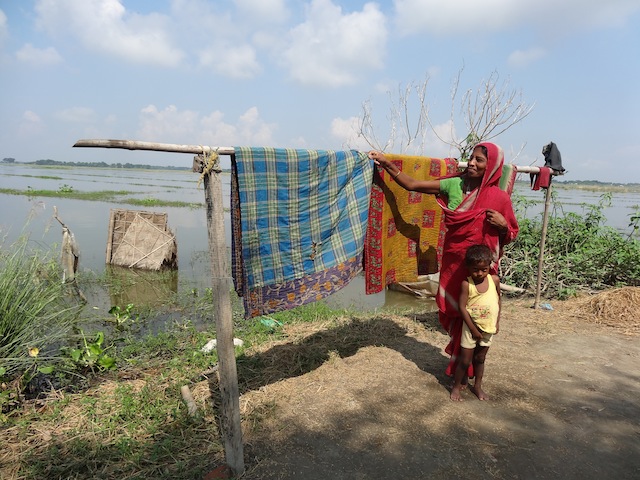
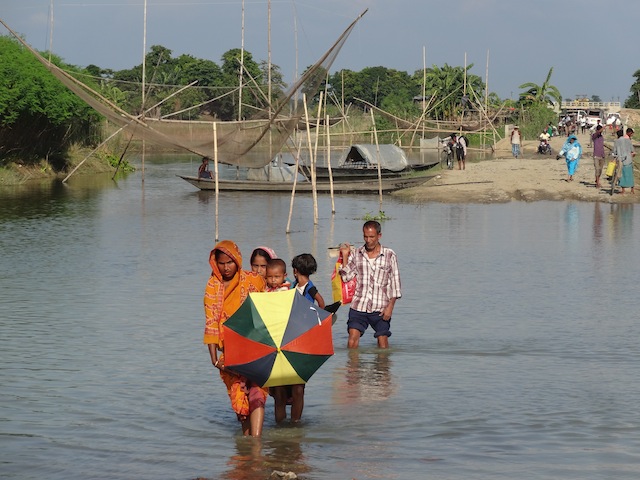
MORIGAON, India, Oct 07 (IPS) - The northeastern Indian state of Assam is no stranger to devastating floods. Located just south of the eastern Himalayas, the lush, 30,000-square-km region comprises the Brahmaputra and Barak river valleys, and is accustomed to annual bouts of rain that swell the mighty rivers and spill over into villages and towns, inundating agricultural lands and washing homes, possessions and livestock away.
Now, the long-term impacts of such natural disasters are proving to be a thorn in the side of a government that is racing against time to meet its commitments under the Millennium Development Goals (MDGs), a set of poverty reduction targets that will expire at the year's end.
Target 7C of the MDGs stipulated that U.N. member states would aim to halve the proportion of people living without sustainable access to safe drinking water and basic sanitation by 2015.
While tremendous gains have been made towards this ambitious goal, India continues to lag behind, with 60 percent of its 1.2 billion people living without access to basic sanitation.
Now, recurring floods and other disasters are putting further strain on the government, as scores of people are annually displaced, and left without safe access to water and sanitation. In 2012 alone, floods displaced 6.9 million people across India.
Currently, Assam is one of the worst hit regions.
Since May this year, several waves of floods have affected more than 700,000 people across 23 of the state's 27 districts, claiming the lives of 68 people.
Heavy rainfall during one week of August devastated the Morigaon and Dhemaji districts, and the river island of Majuli. A sudden downpour that lasted two days in early September in parts of Assam and the neighbouring state of Meghalaya claimed 44 and 55 lives respectively.
The Indian federal government last week announced its intention to distribute some 112 million dollars in aid to the affected population.
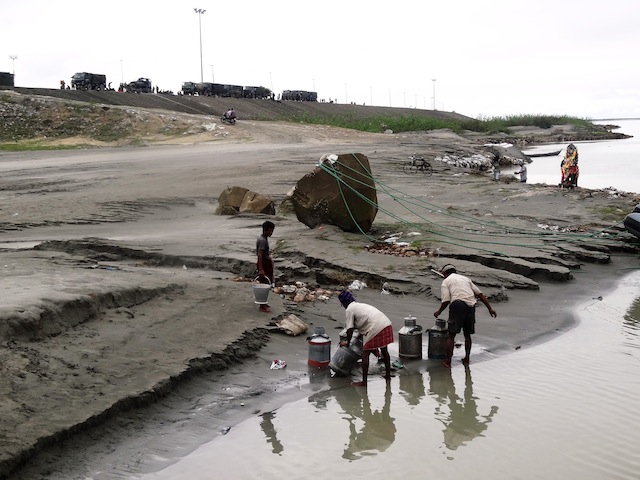
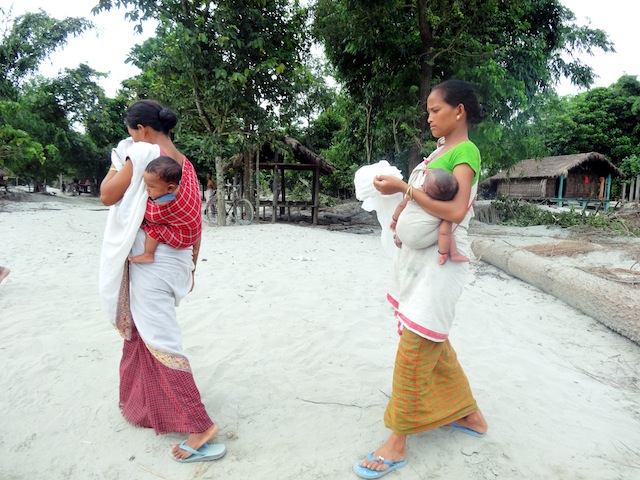
One of the primary concerns for officials has been the sanitation situation in the aftermath of the floods, with families forced to rig up makeshift sanitary facilities, and women and children in particular made vulnerable by a lack of water and proper toilets.
Directly following the floods, the ministry of drinking water and sanitation advised the public health and engineering department of the Assam government to "urgently" make provision for such disasters, particularly ensuring safe water for residents in remote rural areas.
Among other suggestions, the ministry recommended the "hiring of water tankers for emergency water supply to affected sites , procuring of sodium hypochlorite, halogen tablets and bleaching powder for proper disinfection hiring of sufficient vehicles fitted with water treatment plants to provide onsite safe drinking water."
In Morigaon and Dhemaji, families are slowly trying to pick up the pieces of their lives, but experts say unless proper disaster management measures are put in place, the poorest will suffer and floods will continue to erode India's progress towards the MDGs.
Edited by Kanya D'Almeida
© Inter Press Service (2014) — All Rights Reserved. Original source: Inter Press Service
Where next?
Browse related news topics:
- Trade, Economy, & Related Issues
- Causes of Poverty
- Third World Debt Undermines Development
- Women’s Rights
- Environmental Issues
- Biodiversity
- Nature and Animal Conservation
- Climate Change and Global Warming
- Human Population
- Consumption and Consumerism
- Sustainable Development
- Natural Disasters
- Health Issues
- Water and Development
- Food and Agriculture Issues
Read the latest news stories:
- In Beirut, Guterres demands end to Middle East war: Civilians ‘deserve to live without fear’ Saturday, March 14, 2026
- UN Launches 300 Million Dollar Humanitarian Appeal for Lebanon Friday, March 13, 2026
- Syria’s Mobile Cultural Bus: Championing Cultural Justice, Delivering Art and Literature to Children of War Friday, March 13, 2026
- Why Does African Leadership Lack Coordination on Reparations? Friday, March 13, 2026
- Only 1 in 7 Countries is Led by a Woman – as Global Political Power Remains Dominated by Men Friday, March 13, 2026
- World News in Brief: Attacks on synagogues, Syria’s continuing rights violations, shocking abuse of women during childbirth Friday, March 13, 2026
- Myanmar at a ‘crossroads’: The world must not forsake civilians there, urges UN expert Friday, March 13, 2026
- UN chief launches major humanitarian appeal from war-torn Lebanon Friday, March 13, 2026
- Middle East war: Women in Lebanon forced to give birth on roadside Friday, March 13, 2026
- MIDDLE EAST LIVE 13 March: Displacement and civilian casualties mount across region Friday, March 13, 2026
Learn more about the related issues:
- Trade, Economy, & Related Issues
- Causes of Poverty
- Third World Debt Undermines Development
- Women’s Rights
- Environmental Issues
- Biodiversity
- Nature and Animal Conservation
- Climate Change and Global Warming
- Human Population
- Consumption and Consumerism
- Sustainable Development
- Natural Disasters
- Health Issues
- Water and Development
- Food and Agriculture Issues
Share this
Bookmark or share this with others using some popular social bookmarking web sites:
 Bluesky