

Indigenous Peoples Call for Meaningful Influence in Climate Discussions — Nia Tero
UNITED NATIONS, August 18 (IPS) - Indigenous communities have long advocated for the environment through the lens of their traditional knowledge systems and cultures. But much more work needs to be done to translate their presence into influence.
A new report from Nia Tero, an international nonprofit that aims to strengthen Indigenous guardianship over ancestral lands and waters, examines the factors that have limited Indigenous Peoples’ influence in global environmental decision-making.
The report, “Beyond Fragmentation: Advancing Coherence, Equity, and Indigenous Leadership Across the Rio Conventions”, was formally launched at the 17th Conference of the Parties to the UN Convention to Combat Desertification (UNCCD), or COP17, currently underway in Ulaanbaatar, Mongolia, during a side event focused on strengthening coherence across the Rio Conventions.
The UNCCD is one of three climate frameworks that emerged from the 1992 United Nations Conference on Environment and Development, held in Rio de Janeiro, Brazil. It, along with the Convention on Biological Diversity (CBD) and the United Nations Framework Convention on Climate Change (UNFCCC), is one of the landmark global conventions that address environmental crises of climate change, biodiversity loss and desertification in the modern age.
This year, all three conventions will be hosting climate conferences, starting with UNCCD COP17, which makes it an appropriate occasion to launch the report, according to Margarita Mora, Chief Programmes Officer at Nia Tero.
The goal of the report, Mora told Inter Press Service, is to “encourage Parties, UN bodies, and funders to better support Indigenous Peoples’ meaningful participation here and across this year’s Rio Conventions gatherings”.
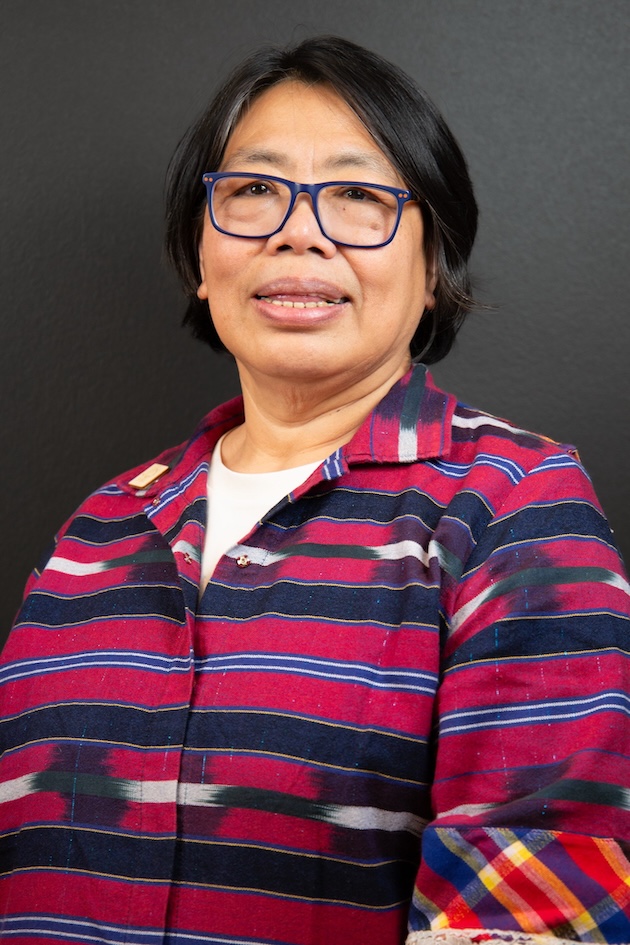
“Launching the report at COP17 helps draw greater attention to the UNCCD, which remains the least known of the three Rio Conventions, and starts a conversation we can carry into the climate and biodiversity COPs later this year,” said Minnie Degawan of the Kankanaey-Igorot, an indigenous group from northern Luzon, Philippines, and the Managing Director, FSC Indigenous Foundation.
The report examines Indigenous Peoples’ recognition and participation in the Rio Conventions. Climate change, biodiversity loss and land degradation are all interconnected. These all impact lands and territories, which are “central to Indigenous Peoples’ identity, cultures, and ways of life,” Degawan, the report’s author, told Inter Press Service.
Drawing on expert interviews and surveys with participants, the report reveals what it describes as a fragmented response to these issues. While environmental harms are interconnected, they are governed through their frameworks, institutions and funding streams. This siloed approach to the Rio Conventions presents challenges to Indigenous Peoples. Representatives may be expected to attend multiple conferences where they discuss related issues through different institutional structures. Thus, they address topics like safeguards, territorial governance, and traditional knowledge separately.
The recognition of Indigenous Peoples has seen considerable progress since the Rio Conventions were first introduced. Traditional leaders and activists have advocated for the formal acknowledgement of Indigenous rights in these climate frameworks, their efforts spanning decades. The report notes that this recognition is not consistent across the frameworks.
Neither the UNFCCC nor the UNCCD explicitly referenced Indigenous Peoples or their rights in their original texts. However, subsequent decisions, provisions and ongoing advocacy have strengthened the recognition of Indigenous Peoples, their rights and their participation within the two frameworks. On the other hand, the CBD directly references Indigenous and local communities in its original framework, acknowledging their dependence on biological resources in accordance with traditional knowledge that is relevant to biodiversity efforts.
Since then, Indigenous people’s engagement within the Rio Conventions can be measured in a few ways, including a broader recognition of them as stakeholders within these processes, participation in formal and informal conferences, and a recognition of traditional knowledge in addressing environmental challenges.
While the visibility and participation of Indigenous representatives has increased over the years, this does not necessarily translate into meaningful influence when it comes to decision-making processes. The decisions in these frameworks are largely determined by the States, with insufficient input from Indigenous Peoples at these conferences. Indigenous Peoples still attend climate conferences as observers, with limited influence in formal text negotiations. The influence should “[go] beyond having Indigenous Peoples in the room”, Degawan said.
As she elaborates in the report, Indigenous Peoples’ participation in text negotiation is somewhat limited. Most of their involvement in climate conferences takes place in side events or informal dialogues. This is ironic, given that the report was launched at a side event. Structural barriers such as language constraints, accreditation issues, travel and visa issues and insufficient funding only further limit opportunities.
This is also indicative of a wider issue of the cost of participation. Indigenous representatives are expected to attend multiple meetings, which require extensive investments and resources. This is in service to increasing their visibility, but at present it creates a risk of burnout and a concentration of knowledge and expertise among what is a relatively small group of experienced negotiators and technical experts.
All of these factors emphasise the need to improve conditions for Indigenous Peoples to enact meaningful influence in climate discussions. “It means creating the conditions for Indigenous Peoples to actually shape decisions – from setting priorities and contributing to negotiating texts before they are finalised to influencing how commitments are implemented and financed,” Degawan said.
What Degawan and the report observe is that representatives can build on existing benchmarks within the Rio Conventions and identify where their participation has been stronger, so they can apply these strategies across all three. This would mean building greater coherence among existing structures so that different institutions and actors work together in a way that reflects the interconnected nature of environmental challenges and the realities Indigenous Peoples experience. For their part, Nia Tero are dedicating their efforts to supporting coordinated Indigenous engagement during UNCCD COP17.
“The goal is not to create new benchmarks, but to ensure that progress in one convention can help raise the standard for meaningful Indigenous Peoples’ participation across the others,” Degawan said.
“The real measure of progress is whether participation translates into meaningful influence over negotiations and decisions affecting Indigenous Peoples and ancestral territories. Full, meaningful inclusion of Indigenous Peoples at this and the following Rio Conventions COPs will put the international community – not just Indigenous Peoples – in the best position to achieve humanity’s shared goals for a healthy, prosperous planet,” said Mora.
The report recommends that the convention secretariats move beyond making rhetorical commitments and take practical steps, including improving Indigenous Peoples’ access to negotiating spaces and providing them with more opportunities to input into negotiating texts. These bodies should also strengthen safeguards to ensure Indigenous participation mechanisms are not treated in isolation.
Progress in their participation across the Rio Conventions warrants reflection on Indigenous Peoples’ representation in other frameworks. Within the context of broader structural changes, such as those introduced under the UN80 initiative, there have been questions of consolidating mandates in the name of increasing efficiency in the UN system, which should serve every member of the international community.
Degawan warned that Indigenous representatives are concerned over a potential weakening of the hard-won gains in recognition and formal spaces within the UN system. Any reforms should therefore, she said, build on these gains rather than roll them back.
The full report is available at www.niatero.org/RioReport
IPS UN Bureau Report
© Inter Press Service (20260818112935) — All Rights Reserved. Original source: Inter Press Service