Unseen and Unheard: Afghan Baloch People Speak Up
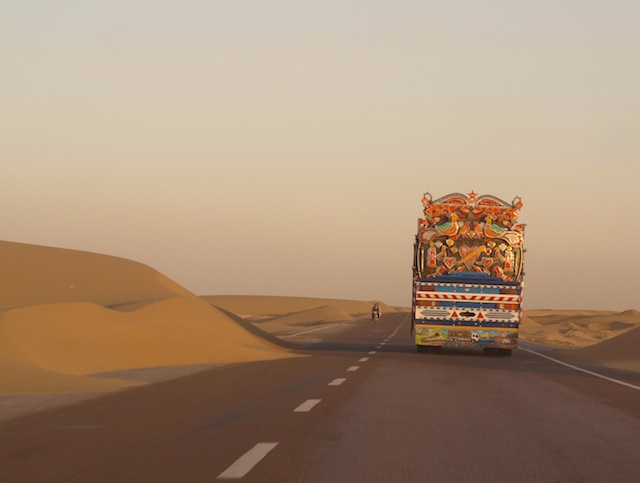
ZARANJ, Afghanistan, Mar 18 (IPS) - Balochistan, divided by the borders of Iran, Pakistan and Afghanistan, is a vast swathe of land the size of France. It boasts enormous deposits of gas, gold and copper, untapped sources of oil and uranium, as well as a thousand kilometres of coastline near the entrance to the Strait of Hormuz.
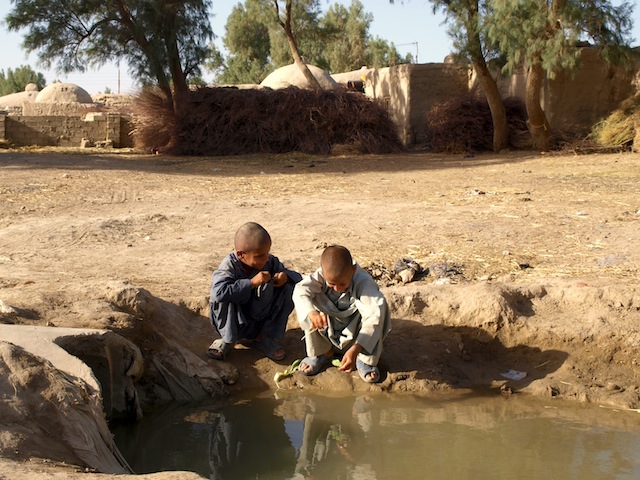
Despite the wealth under their sandals, the Baloch people inhabit the most underdeveloped regions of their respective countries; Afghanistan is no exception.
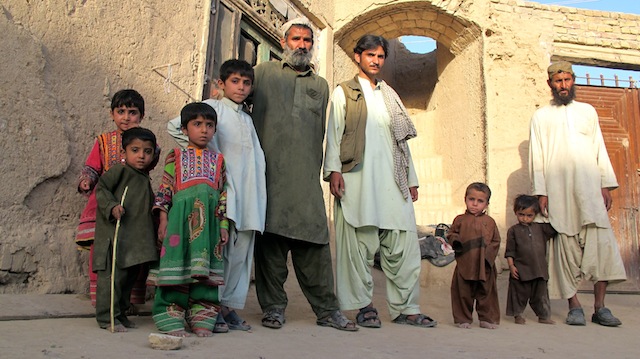
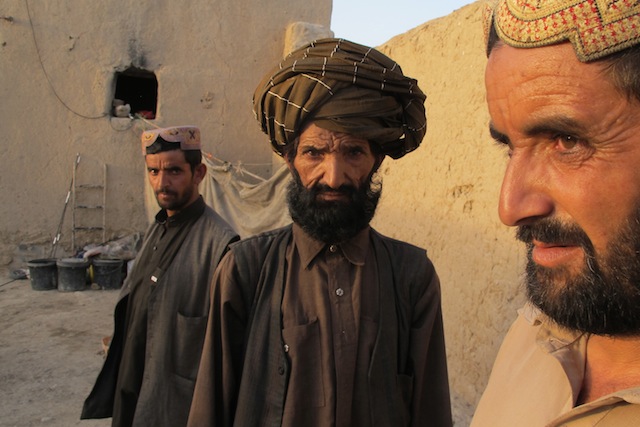
3Often overlooked, the Afghan Baloch count as just one among the many groups that make up the colourful ethnic mosaic of Afghanistan. And like the Pashtuns, the Tajiks and the Uzbeks, they have also seen their land divided by the arbitrary boundaries in Central Asia.
Baloch historian and intellectual Abdul Sattar Purdely tells IPS there are "about two million of us in Afghanistan, but only those living in the southern provinces of Nimroz and Helmand speak Balochi."
In his late sixties, this former MP during the rule of Mohammad Najibullah (1987-1992) is today a professor, writer, and a leading advocate for the preservation of the Baloch language and culture in Afghanistan.
In coordination with the Afghan Ministry of Education, Purdely has written textbooks in Balochi that go as far as the 8th grade, which are already being used in three schools.
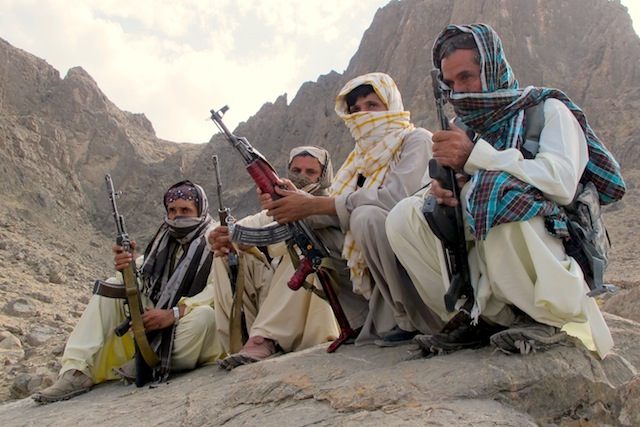
The Baloch in Afghanistan make up just a tiny portion of a people scattered throughout the Iranian Plateau, but they are united by the experience of religious, linguistic and ethnic persecution in a region increasingly marked by Islamic extremism.
In Pakistan, for instance, the Baloch people have long weathered a crackdown against what the government calls an insurgency, while "Tehran is constantly trying to quell any Baloch initiative in Nimroz as they consider it a potential threat to their security," according to Mir Mohamad Baloch, a political and cultural activist.
This Afghan-born Baloch tells IPS that an independent Balochistan is a "life dream" for him – but under current political conditions in the region, this dream is a long way from reality.
Currently, Zaranj hosts the only TV programme in Balochi in Afghanistan for one hour a day between five and six pm. Although the first TV channel in Balochi was set up in 1978 preceding the printing of the community's first books and newspapers, the fall of the Communist government led to a sharp cultural decline in Afghanistan.
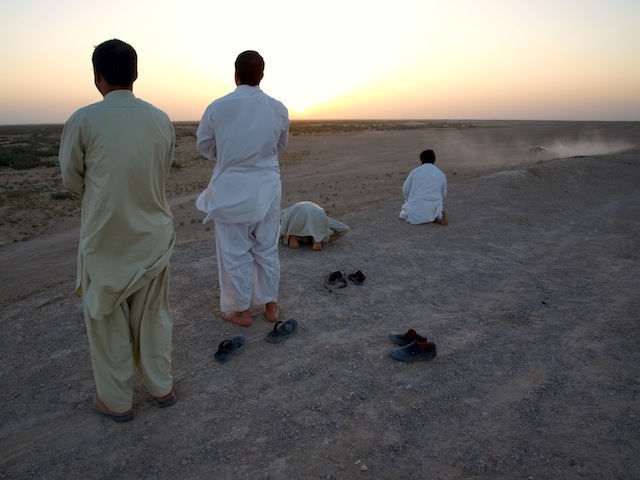
Historically a nomadic group, the Baloch people have endured years of brutal repression for their moderate vision of Islam. Mullah Omar, the leader of the Taliban, even issued a fatwa, an Islamic edict, against the people of Nimroz, calling for the ethnic cleansing of the Baloch and Shia population.
"Against all odds, our national identity is bigger despite the ongoing chaos in the country," proclaims Abdul Sattar Purdely from his office in downtown Kabul. "We just need the rest of the world to know about us."
Edited by Kanya D'Almeida
© Inter Press Service (2015) — All Rights Reserved. Original source: Inter Press Service
Where next?
Browse related news topics:
- Trade, Economy, & Related Issues
- Causes of Poverty
- Third World Debt Undermines Development
- Geopolitics
- Arms Control
- Arms Trade—a major cause of suffering
- Conflicts in Africa
- International Criminal Court
- Foreign Policy — Projecting Power
- Human Rights Issues
- Women’s Rights
- Human Population
- Consumption and Consumerism
- Sustainable Development
- Immigration
- Food and Agriculture Issues
- Democracy
Read the latest news stories:
- WHO verifies deadly hospital attack in war-torn Sudan Saturday, March 21, 2026
- War in the Middle East: Iran nuclear facility hit as equivalent of ‘one classroom of children’ killed, wounded daily in Lebanon Saturday, March 21, 2026
- When justice fails: Why women can’t get protection from AI deepfake abuse Saturday, March 21, 2026
- Europe and Multilateralism Friday, March 20, 2026
- Sudanese Civil War Escalates as Drone Strikes Deepen Civilian Toll and Regional Risks Friday, March 20, 2026
- TB Risk Should not Depend on Where We Are Born Friday, March 20, 2026
- Running on Sunshine: Pakistan’s Solar Boom to Tide Over Middle East Energy Crisis Friday, March 20, 2026
- How a Handful of Fishers Show How Harpooning Can Be an Ecologically Sustainable Friday, March 20, 2026
- My Name is Dhaka Friday, March 20, 2026
- International Tensions Spark New Nuclear Threat Friday, March 20, 2026
Learn more about the related issues:
- Trade, Economy, & Related Issues
- Causes of Poverty
- Third World Debt Undermines Development
- Geopolitics
- Arms Control
- Arms Trade—a major cause of suffering
- Conflicts in Africa
- International Criminal Court
- Foreign Policy — Projecting Power
- Human Rights Issues
- Women’s Rights
- Human Population
- Consumption and Consumerism
- Sustainable Development
- Immigration
- Food and Agriculture Issues
- Democracy
Share this
Bookmark or share this with others using some popular social bookmarking web sites:
 Bluesky