Lessons from an Indian Tribe on How to Manage the Food-Forest Nexus
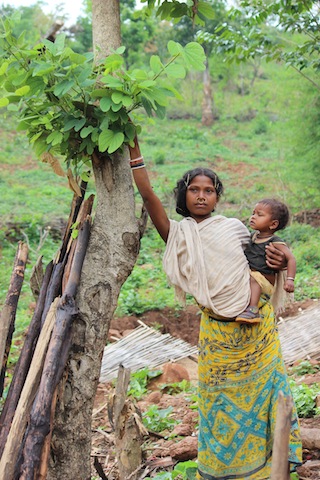
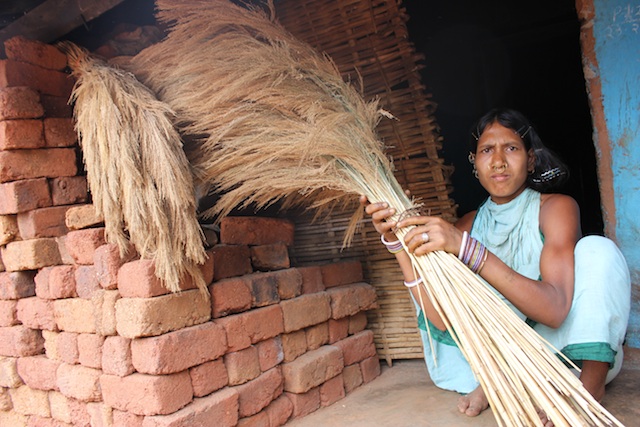
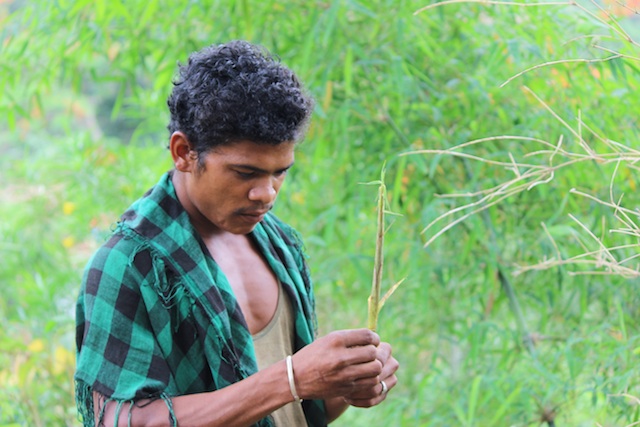
RAYAGADA, India, May 19 (IPS) - Scattered across 240 sq km on the remote Niyamgiri hill range in the eastern Indian state of Odisha, an ancient tribal group known as the Dongria Kondh have earned themselves a reputation as trailblazers.
Having fought – and won – a decade-long battle with a British mining giant that invested close to a billion dollars in a bauxite extraction operation in this mineral-rich area, the Dongria Kondh set an example in 2013 to millions of tribal people around the world that David versus Goliath-style confrontations can still be won by the underdog.
Now, the indigenous group is once again at the forefront of a global problem – the twin issues of hunger and deforestation – as they continue to nurture an ancient way of life despite a wave of destructive development that is threatening their traditional and sustainable farming practices.
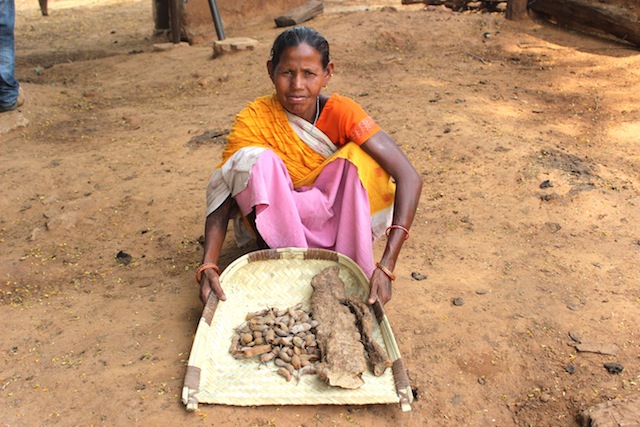
Numbering some 10,000 people, the Dongria Kondh believe the forests and hills to be sacred sites, and have for centuries lived in harmony with the land, with a single family harvesting an average of 130 kg of wild produce in a single year.
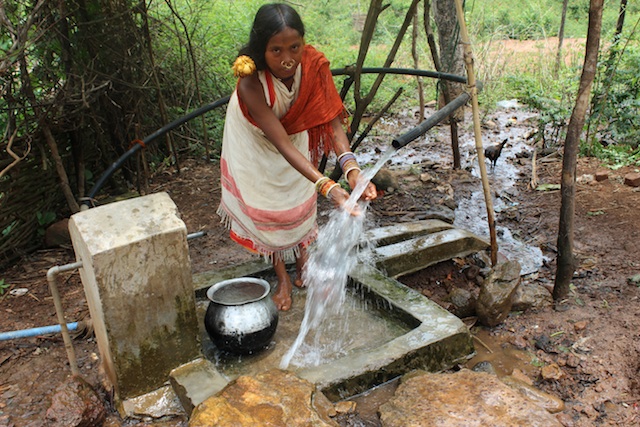
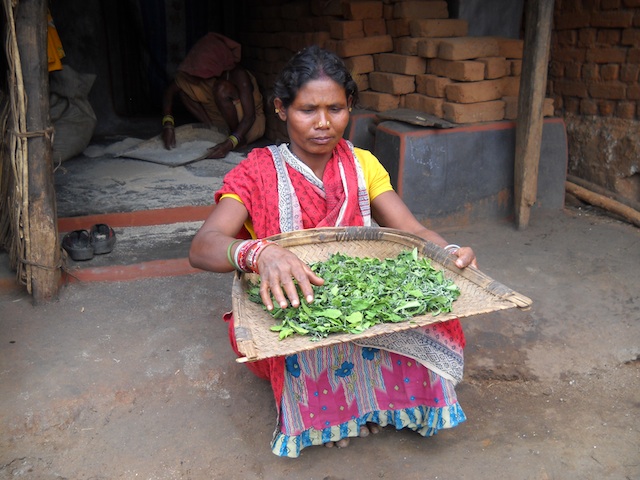
Their varied and nutritious diet, which includes over 25 species of plants, comes directly from the forests, while springs originating in the Niyamgiri hills provide fresh, clean water all year round.
But rampant deforestation for large-scale infrastructure projects, coupled with mono-culture plantations of fast-growing trees to supply timber and paper industries with raw materials, as well as mining activities, have reduced food availability for the Dongria Kondh and other indigenous groups by over 30 percent and increased their gathering time by 80 percent over the last 30 years.
Today, 55 percent of adults from the Dongria Kondh community are protein-energy deficient and 60 percent of school-aged children are malnourished.
The situation reflects a trend all across India, a country of 1.2 billion people, where some of the poorest and hungriest live in or around forests.
India is currently home to one-quarter of the 805 million malnourished people worldwide, as well as to a third of the world's underweight children and nearly a third of all food-insecure people – most of them among the 275 million-strong forest-dwelling population of this vast country.
The irony of the fact that those living closest to readily available food sources are going hungry has not escaped the attention of policy-makers, with the United Nations spearheading efforts to protect forests due to their critical importance in alleviating hunger and mitigating the impacts of climate change, not just in India but worldwide.
With 1.6 billion people – including over 2,000 indigenous cultures – depending directly on forests for food, shelter, income and fuel, preserving these areas feeds directly into the U.N.'s sustainable development agenda, and could also play a role in the ‘Zero Hunger Challenge', launched by Secretary-General Ban Ki-moon in 2012 in a bid to completely eradicate the scourge of malnutrition and food insecurity.
This is easier said than done, given that an estimated 13 million hectares of forests are destroyed annually, denying hundreds of thousands of people of their only source of food.
While this seems like a bleak trend, one need only look up at the Niyamgiri hills for a lesson on an alternative economic model, one based on community management and control of land and resources, rather than the rampant destruction of living ecosystems for profit.
Here in Odisha, the forest-food nexus meets the accumulated traditional knowledge of an ancient people, pointing the way to a horizon where hunger is a thing of the past, not the future.
Edited by Kanya D'Almeida
© Inter Press Service (2015) — All Rights Reserved. Original source: Inter Press Service
Where next?
Browse related news topics:
- Trade, Economy, & Related Issues
- Causes of Poverty
- United Nations on Development Issues
- Third World Debt Undermines Development
- Free Trade and Globalization
- Human Rights Issues
- Women’s Rights
- Environmental Issues
- Biodiversity
- Nature and Animal Conservation
- Climate Change and Global Warming
- Human Population
- Consumption and Consumerism
- Sustainable Development
- Health Issues
- Water and Development
- Rights of Indigenous People
- Food and Agriculture Issues
- Democracy
- Global Financial Crisis
Read the latest news stories:
- Resilience Is Not Enough: OCHA Sounds Alarm on Underfunded Humanitarian Crisis in Afghanistan Tuesday, August 11, 2026
- Saudi Arabia, Türkiye and Pakistan Forge Mutual Defence Pact, as Iran Pursues New Shipping Framework Tuesday, August 11, 2026
- The Earth Is Burning — And We Are Still Choosing to Let It Monday, August 10, 2026
- Living Longer at Age 80 Monday, August 10, 2026
- Asia’s Energy Progress Is Great, But Must Pick Up Pace Monday, August 10, 2026
- Where Some See Waste, Others See Opportunity: Young Sierra Leoneans Fight Against Electronic Waste, Plastic Pollution Monday, August 10, 2026
- INDIA: ‘The Cockroach Janta Party Brings Together Everyone Who Has Been Neglected for Years’ Monday, August 10, 2026
- Palestinian Children Deserve Education, not Ethnic Cleansing Monday, August 10, 2026
- Fighting deepens needs and fuels further displacement in Sudan Monday, August 10, 2026
- Lebanon: UN peacekeepers count hundreds of Israeli strikes and incursions in a single weekend Monday, August 10, 2026
Learn more about the related issues:
- Trade, Economy, & Related Issues
- Causes of Poverty
- United Nations on Development Issues
- Third World Debt Undermines Development
- Free Trade and Globalization
- Human Rights Issues
- Women’s Rights
- Environmental Issues
- Biodiversity
- Nature and Animal Conservation
- Climate Change and Global Warming
- Human Population
- Consumption and Consumerism
- Sustainable Development
- Health Issues
- Water and Development
- Rights of Indigenous People
- Food and Agriculture Issues
- Democracy
- Global Financial Crisis
Share this
Bookmark or share this with others using some popular social bookmarking web sites:
 Bluesky